By COLIN REID energy@algarveresident.com
Colin Reid is the technical director at the Enova Group and is a chartered engineer specialising in renewable and sustainable energy systems. He has over 20 years experience in the industry and lives with his wife and three children near Almancil.
IN THIS ARTICLE, we look at other forms of renewable energy for generating electricity.
Renewable energy for generating electricity can be divided into three categories:-
• Sun
• Wind
• Water
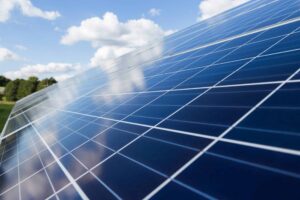
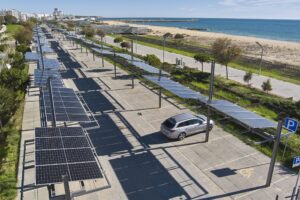
We discussed the sun in our last article which uses photovoltaic solar panels to generate electricity – this is the most effective form of generating electricity in the Algarve due to the high amount of annual sunshine here.
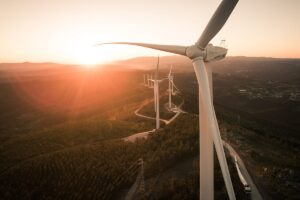
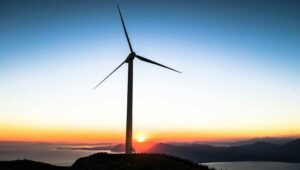
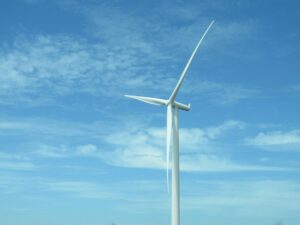
However, the Algarve is also an exposed geographical region and therefore susceptible to strong winds. For this reason wind turbines are also an effective way of generating electricity. There are many commercial wind farms in the region.
On a residential level, wind is rather less popular than solar energy. The reasons are twofold:-
• Wind turbines are not particularly attractive to look at
• Wind turbines tend to be noisy
For the above reasons, wind turbines are generally used in remote locations with large areas of land where they can be hidden and located far away from the house. It is also possible to use wind turbines in conjunction with photovoltaic systems and batteries to generate electricity where main grid power is not available. These systems are normally backed up by a site generator.
The power in the wind is proportional to the cube of its speed; twice the wind speed gives eight times the power. Small differences in average wind speed therefore cause large differences in available wind energy. So, for optimum performance, it is important to find a site which offers the highest overall wind speed.
Best location
When siting a wind turbine, one should take account of exposure to the prevailing winds. Factors such as surface roughness and obstructions are important; for example woodland or built up areas will create higher turbulence than open grassland. Cliff tops are to be avoided and wind generators must be sited clear of obstructions to the wind. Near the top of a hill is an obvious location as the wind speeds up significantly and the flow should be reasonably smooth.
Wind speed can increase dramatically with height, especially over rough surfaces, such as wooded or hilly areas. This means a significant increase in power production can often be obtained for a given cost by using a smaller wind generator on a taller tower rather than simply using a larger machine.
Domestic wind turbines come in various sizes starting at around 600 watts at a cost of around 3,000 euros plus accessories.
The other form of renewable energy is water. This can be sub-divided into three areas:-
• Hydroelectric power
• Wave power
• Tidal power
These systems are normally only used on a commercial level. However, smaller scale hydroelectric systems (micro generation units) are now available for the residential market.
Once again, it is highly recommended to seek expert advice before embarking on the installation of renewable energy systems as there are many commercial, technical and legal elements to consider.
Next month, we look at CHP generators (combined heat and power units) which generate heat for hot water and power for electricity.
Colin Reid can be contacted by phone on (00351) 282 960 969 or by email at energy@algarveresident.com. To visit the Enova Group website, click on the link to the right of this page.