The Algarve Archaeological Association (AAA) will be presenting two lectures, in English, by Andy Weaver on Tuesday, October 2. The first lecture will be at 2.30pm at the Museu do Traje in São Brás; the second at 6pm at the Convento de São José in Lagoa.
In this lecture, Andy Weaver will be talking about “witch marks” – ritual protection symbols or apotropaic marks. They can be found carved into the structure of many historic places, medieval churches and houses, barns and even William Shakespeare’s birthplace.
The marks date back to times when belief in witchcraft and the supernatural was widespread. Magical symbols and ritual objects were a common part of life from ancient times but seem to have spiked around the 16th and 17th centuries. “Witch marks” are a physical reminder of how our ancestors saw the world and can teach us about commonly-held beliefs and rituals.
Ritual marks were cut, scratched, carved and even burned into our ancestors’ homes and churches in the hope of making a very dangerous world into a safer, less hostile place.
They were such a common part of everyday life that they have largely been overlooked as the idle doodling of bored choirboys and apprentice carpenters.
Apotropaic marks can be found in medieval houses to insure against fire, in kitchens to ensure food safety standards and near cellar doors to protect the precious beer from going off! More often they are near windows, doors and chimneys and any other possible entry points for malevolent spirits – hence the term “witch marks”.
In times when the unexplained petty household disasters and not so petty catastrophes such as the Black Death were attributed to the earthly manifestations of the Devil, there was a real need to get insurance against such depredations from the only available source, one’s religious and ritualistic beliefs. So, this is counter witchcraft or white magic.
As part of the SCAG (Southwell Community Archaeology Group) survey to investigate hidden timber-framed buildings in Southwell, Andy Weaver and his colleagues started to come across numerous ritual protection marks. As they continued to record them, the marks began to grab the imagination as they offer a glimpse into the minds of the people who crafted them.
These are not the records of the political, economic or religious elite, but rather the voice of the ordinary people of medieval and post-medieval society which are singularly lacking except where they came into contact with authority via the courts.
Since then, for Andy, it has become an obsession, to the extent that whenever he goes into an old inn, church or house he tends to start examining the hidden nooks and crannies with the aid of a torch in order to locate the existence of any possible “witch marks”.
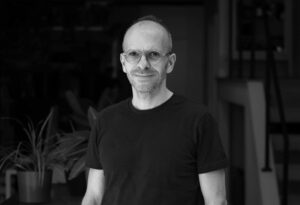
Andy Weaver is a retired Head of 6th Form/History teacher who has taught for most of his career in the mining villages of north Nottinghamshire, UK, and a stint in Darwin, Australia.
He has a degree in Archaeology and History from Nottingham University where specialist subjects were Medieval Timber Buildings, Medieval Church Architecture and Crusader Castles. His main archaeological experience as an undergraduate was on Mesolithic settlement sites in north Somerset.
Non-members are welcome to attend AAA lectures for a €5 admission, with all money raised by the AAA being spent on archaeological grants and speakers.
For more information contact algarvearchass@gmail.com, visit arquealgarve.weebly.com or Facebook ‘Algarve Archaeological Association’. Please check the website or facebook page for any last-minute changes.
By JANE ROBERTSON