In the last few decades, there have been significant changes in the various types of diseases and causes of death, especially in the western world – primarily due to factors related to a lower birthrate, mortality and longevity, but also due to social changes such as urban development and globalisation, a consumer society and living habits.
These changes brought about two significant developments in various diseases and subsequent disability: a decrease in the incidence of infectious or transmissible diseases and an increase in non-transmissible chronic degenerative diseases.
In the last 10 to 15 years, there has been a worldwide increase in some diseases, such as cardiovascular and respiratory illnesses, cancer, diabetes and dementia.
The economic and social impact of these diseases is unpredictable, but if we consider that in 2030 it is expected that three-quarters of all known causes of death will be due to chronic disease, the impact will certainly be huge.
As there is no possibility of altering these projections, all we can do is focus on changing attitudes directed to the prevention of these diseases, throughout all life cycles. Strategies that promote healthy lifestyles, with special focus on diet and physical exercise, must be adopted.
The benefits of physical exercise in relation to physical and mental health are increasingly well documented and are considered a determining factor to both healthy living and healthy ageing.
Presently, there is evidence that physical exercise is considered a first approach in the management of chronic non-transmissible disease and is considered just as important in the treatment of chronic disease as medication.
Even though regular physical activity as such is very important for the health and wellbeing of any individual, when chronic disease is diagnosed, it is essential to adopt a structured, systematic and prolonged activity in order to be considered as physical exercise.
Physical limitations in a patient’s daily activities and disability caused by chronic disease are well known. International organisations and associations have set out guidelines for the treatment of these diseases, the most important being physical exercise – its benefits are:
■ Increases muscle mass, strength and endurance;
■ Increases the muscle capillary density;
■ Increases oxygen capacity, improving the circulation of oxygen in the blood;
■ Decreases oxygen intake, cardiac frequency and blood pressure;
■ Decreases the level of glucose in the blood and increases cell sensitivity to insulin;
■ Reduces anxiety and depression.
For physical exercise to change the natural course of a chronic disease, exercises must be controlled and monitored by a health professional, so that specific exercises are carried out according to the various parts of the body potentially affected by the disease.
Some issues that must be considered are:
■ What type of physical exercises are more appropriate to my particular health condition, to my shortcomings or physical fitness?
■ How intensive should the exercises be in order to meet my needs?
■ How often should I practice?
■ How long should each exercise session last?
■ How should my exercise plan progress? Should I follow all the variables mentioned above?
These are the basic questions that will be considered and discussed with your physiotherapist, who will also take into consideration two essential conditions: individual specifications and individual condition.
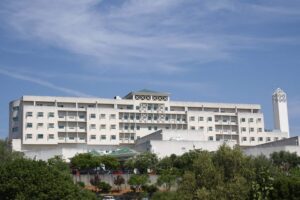
Presently, the HPA Health Group has created structured therapeutic exercise programmes at its Alvor and Gambelas hospitals, for the following conditions:
■ Chronic Obstructive Pulmonary Disease
■ Cardiac Insufficiency
■ Diabetes
■ Hypertension
The programmes contain two main components:
■ An educational component: this is an essential component in any therapeutic exercise programme. The main objective is to improve autonomy and efficiency in disease management, at the same time acquiring the necessary skills required in order to change day-to-day habits.
■ A physical exercise programme consisting of: aerobic training of both the upper and lower limbs, strengthening of the peripheral muscles as well as flexibility training. Other training exercises and programmes can be added but individual requisites must be observed. The minimum duration of each programme consists of 20 exercise sessions, three times a week, each session lasting 60 to 90 minutes. Each session is monitored according to a standardised clinical outcome assessment and, at the end of each programme, the patient is provided with a workout plan to take home that will also be monitored by the physiotherapist.
As these exercise programmes can also be practised in group sessions, there is the advantage of shared experiences with people suffering from the same disease or problems.
For appointments: Call Center 707 28 28 28
|| features@algarveresident.com
Rui Cintra is a physiotherapist, specialising in Cardiopulmonary and Chronic Disease Exercises at Hospital Particular do Algarve