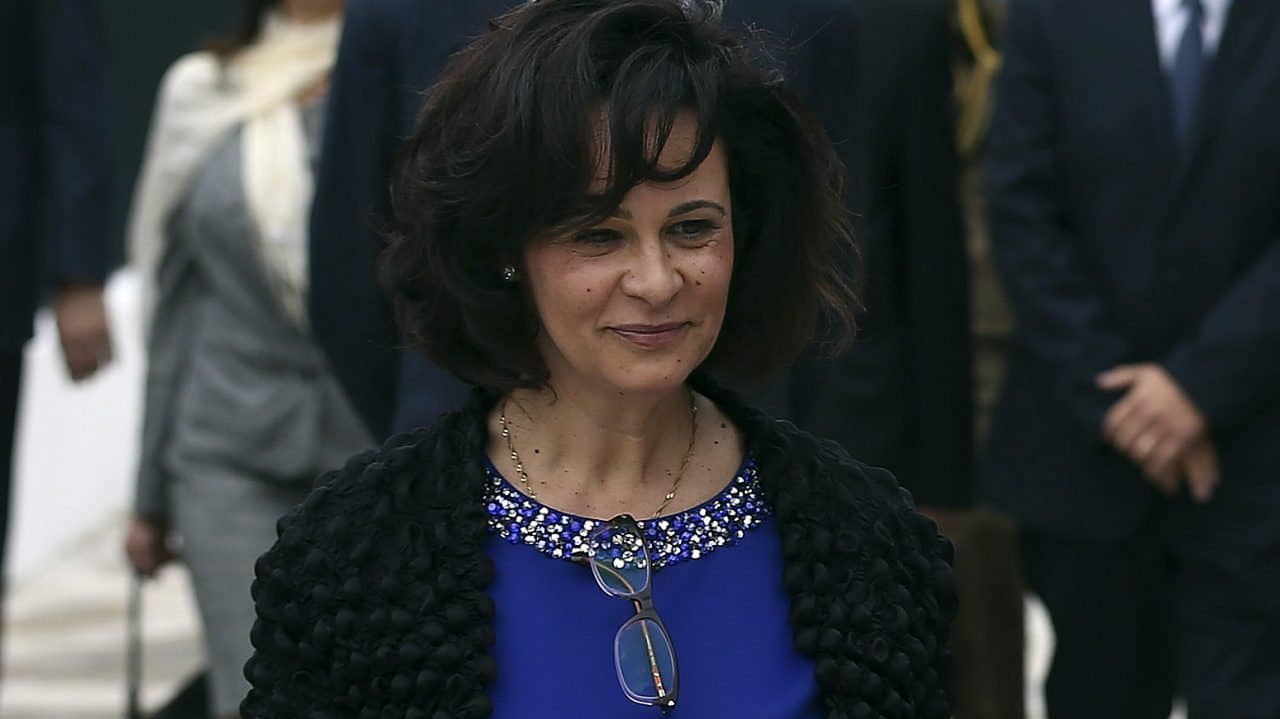
Former president of Raríssimas charity must also pay €12,800 compensation
One of the first major scandals faced by António Costa’s three governments has finally ‘had its day in court’, seeing the main protagonist condemned to two years jail (suspended) and the payment of €12,800 in compensation.
This was the ‘Raríssimas scandal’, broken thanks to reporting by TVI’s Ana Leal, but which has taken all of seven years to ‘bring completely to task’.
In the whirly-gig of political news this week, the story has barely received more than a passing mention – and considering the early-day allegations, surrounding thousands of euros of public money allegedly splurged on ‘private luxuries’, the compensation award seems paltry.
To recap: this ‘scandal’ centred on the reportedly abusive management of IPSS “social solidarity institute” Raríssimas – set up to help people suffering from rare diseases and which was at the time benefitting from over a million euros in annual government subsidies.
Raríssimas’ president Paula Brito e Costa was said to be paying herself an exorbitant (and illegal) salary of over €6000 per month, using Raríssimas’ funds for all kinds of luxuries and doing it all in plain sight and company of her political benefactors (who insisted that they knew nothing about any of it).
It was a bombshell story when it came out … and heads rolled – one of them being Secretary of State for Health Manuel Delgado, the other Ms Brito e Costa (accompanied by her husband and son who also had jobs at Raríssimas).
Now, seven years later Paula Brito da Costa has been ‘condemned in court’ – not for everything set against her on the charge sheet, but for the crime of abuse of trust – which culminated in a two-year suspended prison sentence and compensation to the Raríssimas association of around 12,800 euros.
This amount, her lawyer Pedro Duro has told Lusa, refers to the total that the court considered proven to have been illegitimately appropriated by Ms Brito da Costa, when the prosecution accused her of illegitimately appropriating a great deal more (€102,000).
“In due course, it will be assessed whether it makes sense to appeal, since there is a huge difference between the scandal created around the case, between what was then the accusation and what ended up being the conviction,” said Pedro Duro.
Ms Brito da Costa, the Raríssimas association and the Public Prosecutor’s Office (MP) have until the end of April to appeal against the decision deliverd by a collective court in Lisbon’s Central Criminal Court.
Source material: LUSA