“A potential new trend in dietary patterns”
Researchers from the Faculty of Sciences of the University of Porto (FCUP) are exploring the health benefits of edible flowers, particularly pansies and carnations, and the best way to consume them to maximise their benefits.
In a statement today, FCUP said that the Antho E.flos project aims to explore the benefits of edible flowers, the consumption of which is not yet present in Portuguese culture.
“The ultimate goal of this project is to understand how we can consume these edible flowers, how much we need to consume and what is the best combination of all of this to guarantee the best nutritional result,” said project leader Hélder Oliveira, quoted in the statement.
The researcher from the Associated Laboratory for Green Chemistry (LAQV-REQUIMTE) at FCUP has been working with anthocyanins, a natural pigment present in most purple, red or blue foods and known for its antioxidant power.
At the moment, researchers are working on different species of edible flowers, namely pansies, cornflowers, cosmos and pea flowers (which do not yet exist in Portugal).
More recently, carnations have been added to the research, as their red colour “promises health benefits.
“The vast majority of edible flowers contain acylated anthocyanins, which means that the anthocyanin has different functional groups attached to its sugars,” says Hélder Oliveira, adding that this link makes the structures “considerably more stable” than other foods.
One of the questions is how best to capitalise on the benefits of these flowers. Researchers have concluded that they should be “minimally processed, as they only remain stable at low temperatures”.
As part of the project, the FCUP team will also study, through tests on cells that mimic those of the stomach and intestine, how the components of these flowers are absorbed by the body.
“It’s crucial to understand how the action of the gastrointestinal tract affects the final destination of these anthocyanins – whether in terms of their potential metabolisation, degradation or absorption,” Oliveira added.
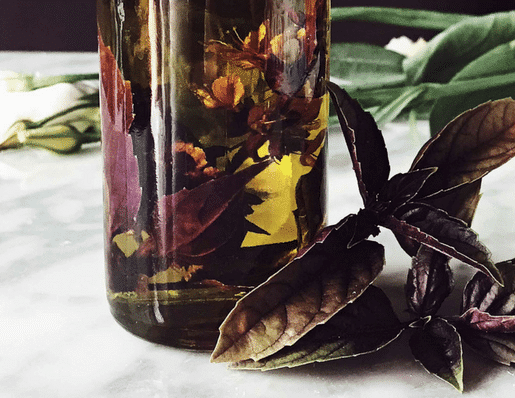
Another aspect of the project is to understand how olive oils and vinegars can be enriched with these flowers, an idea that came from chef Fábio Bernardino and Nova Media School professor Ana Faria, co-leaders of the project.
Researchers now want to see if these flowers can actually make a difference to the symptoms associated with metabolic syndrome, such as diabetes and high blood pressure, and have submitted a project for evaluation.
Funded by the Foundation for Science and Technology, the project also includes researchers from the Universidade Nova de Lisboa and Nova Medical School.
Source: LUSA