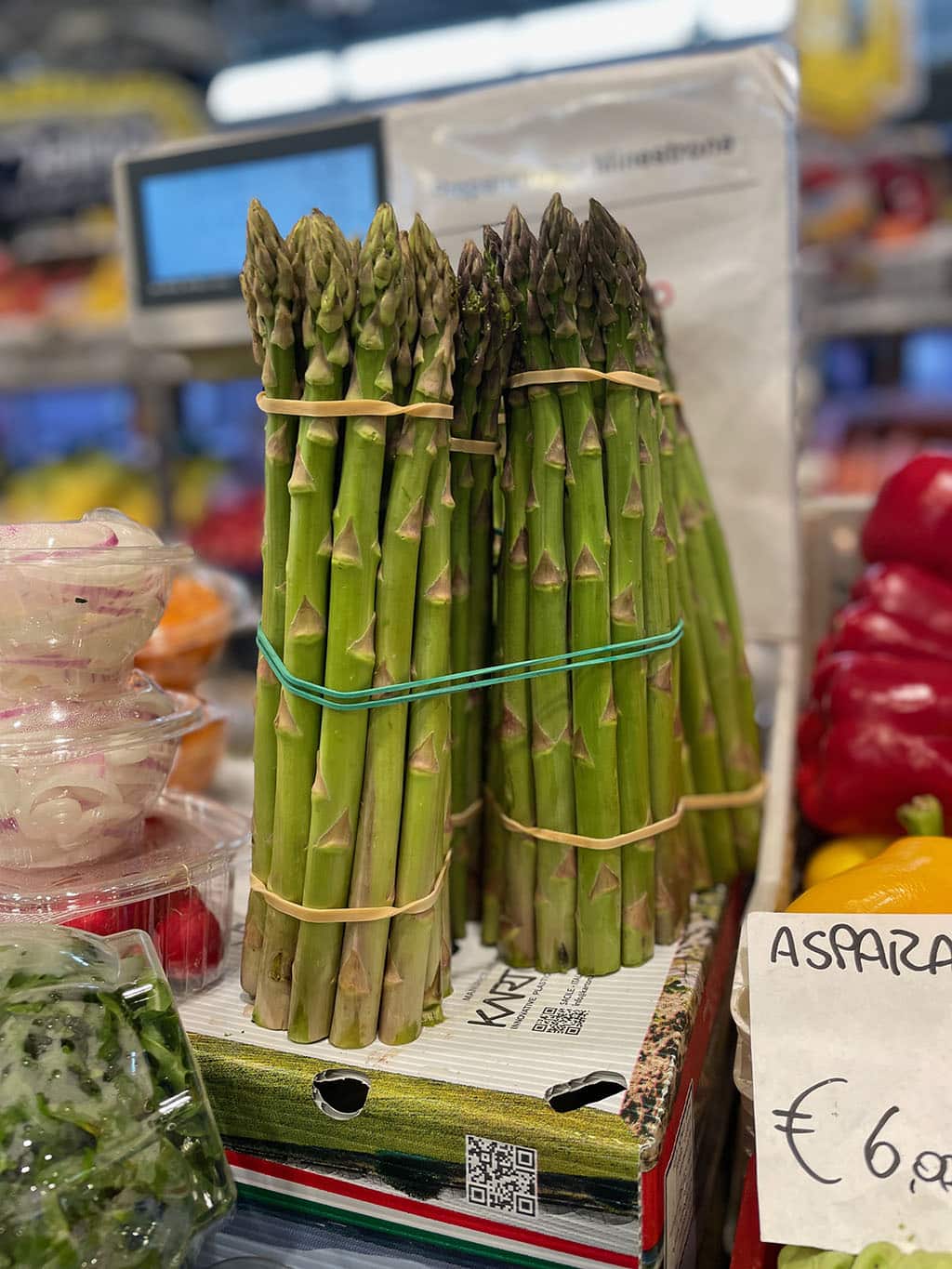
The asparagus season in Europe is relatively short, May-June. But when it arrives, chefs and food lovers make a special effort to consume the vegetable in abundance.
Being remotely affiliated to onion and garlic*, asparagus has been on the menu for at least 2000 years. Emperor Augustus (27 BC-14 AD) was known to be a fan of asparagus. He built a fleet of ships to transport it around the empire.
De re coquinaria**, the oldest surviving cookbook, contains several asparagus recipes, including a purée, blanched and cooked as a patina, a modern-day frittata.
In Ancient Rome, asparagus was not only consumed when it was in season, the shoots were dried to extend their use, allowing them to be cooked quickly at any time of the year. This coined the phrase, attributed to the very Emperor Augustus himself, “quicker than you can cook asparagus” (velocius quam asparagi coquantur), meaning doing something in haste.
It is often believed that the name asparagus in English originates from the sparrow grass. This is not entirely true. The name asparagus, sperage or sparage or asperages, has seen multiple iterations and travelled to Old English via Greek and Latin. To emphasise its affinity with the latter, the spelling was set on asparagus. Later, the word became associated with “stiffness and pedantry”, which caused the folk to call it the sparrow grass.
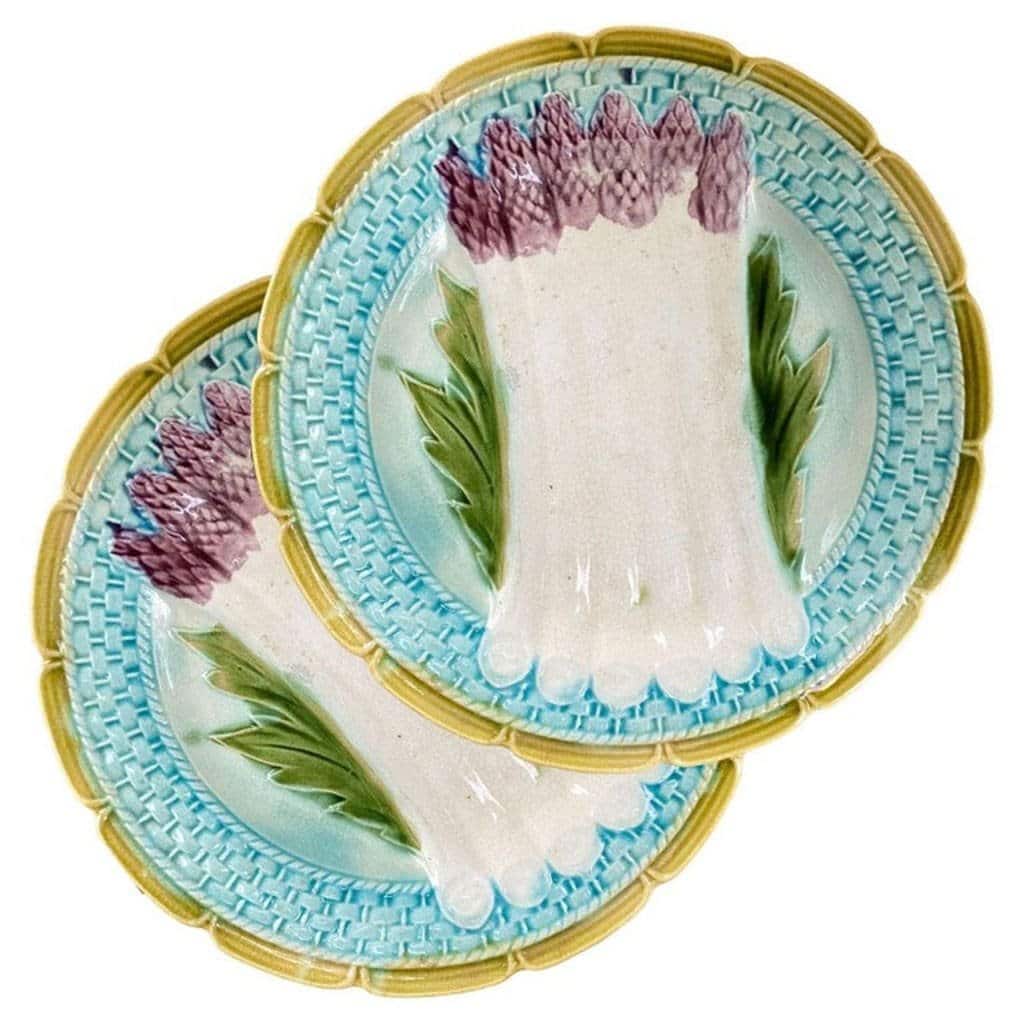
Asparagus was largely forgotten during the Middle Ages, and then rediscovered around the 17th century by the European royal courts. It became so popular that it gained its own specially designed and dedicated tableware. When asparagus mania moved to the masses, it faced a great deal of scepticism for the infamous side-effect, the distinctive smell it leaves on the urine.
Opinions were divided. For instance, the French botanist and chemist Louis Lémery (1702) called it “a filthy and disagreeable smell”, but, at the same time, Marcel Proust (1913) compared it to a “vase of aromatic perfume”.
The chemical in question is asparagusic acid. As research suggests, not everybody is able to produce it, though most do, and not everyone is able to detect it, though most can. Most importantly, there is nothing unhealthy about asparagus. It is high in fibre, low in fat and full of vitamins. If anything, we should eat more of it.
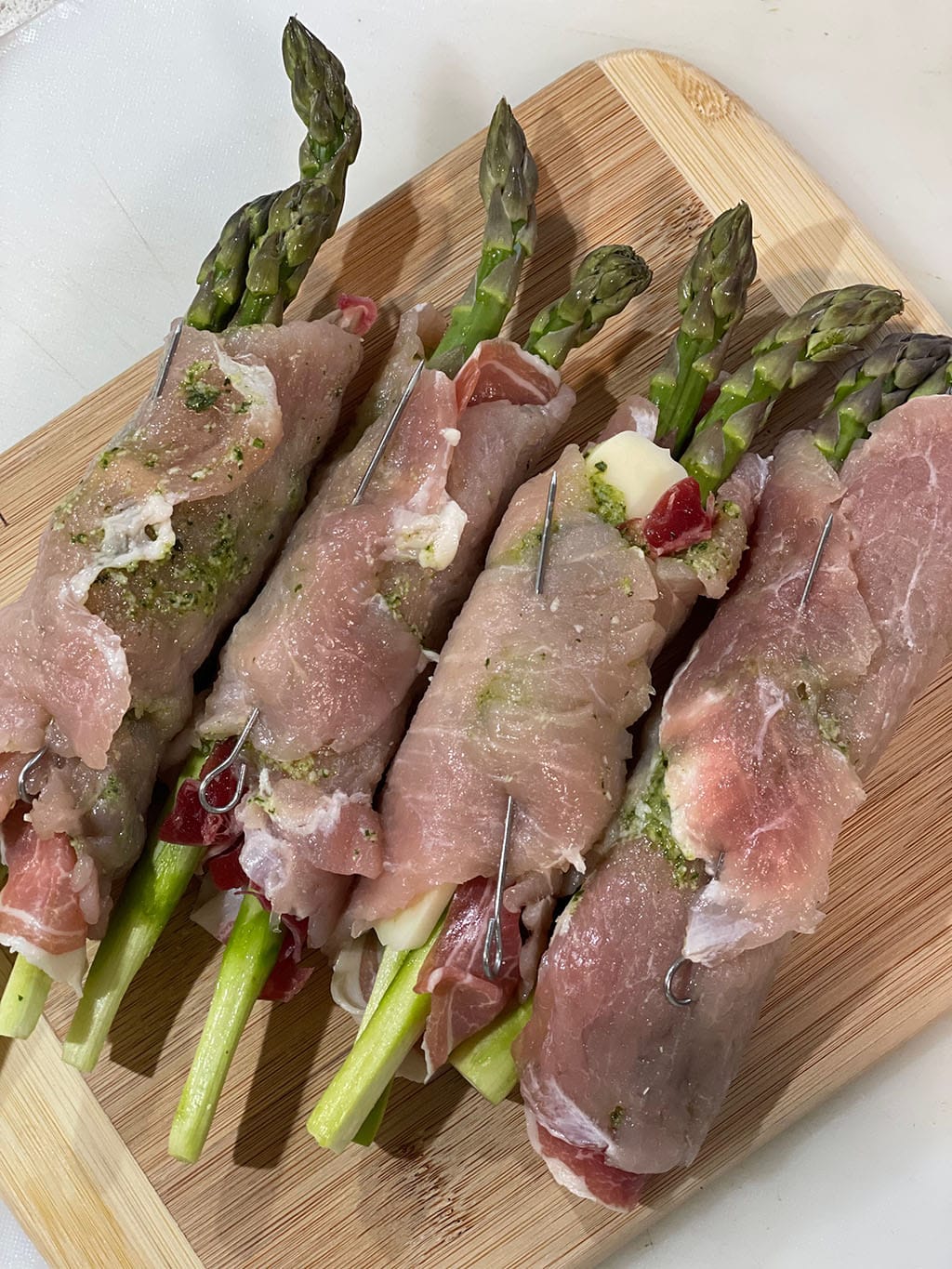
There are three types of asparagus, all of which are extremely versatile in the kitchen – the green, the white and the purple. The green asparagus has grassy, earthy and nutty flavour, and it is perfect in the company of cheese and eggs. It is often served on toast or as part of a quiche, pasta, or risotto dish. With a hint of bitterness, the white asparagus is wonderful in soups or in combination with shellfish, like mussels. It is also fantastic as a side dish to proteins or on its own with a few shavings of truffle or nuts. Last but not least, the purple asparagus has a sweeter profile. It is particularly charming as a pizza topping.
To prepare asparagus spears for cooking, their woody ends need to be trimmed, along with the little leaves that are scattered along the spear. These can be harsh particularly in the larger spears. The spears are then blanched for 3-4 minutes in salted water or steamed. To finish and serve it as it is, toss asparagus in butter with a drizzle of lemon and salt, and voilà! Alternatively, add them to any dish that they are destined to crown.
*Recently, asparagus has been reassigned from the Lily family (leeks, onions, etc) to the Asparagaceae family, falling under the Asparagoideae subfamily.
**Attributed to Apicius, the book may date to the 1st century CE, though the oldest surviving copy comes from the fifth century.
By Dr. Irina Mikhailava
|| features@algarveresident.com
Dr. Irina Mikhailava, a chef and a good food champion, happily residing in the Algarve and eating all over the world with an appetite for learning, sharing and writing. Instagram: incompanyoffood