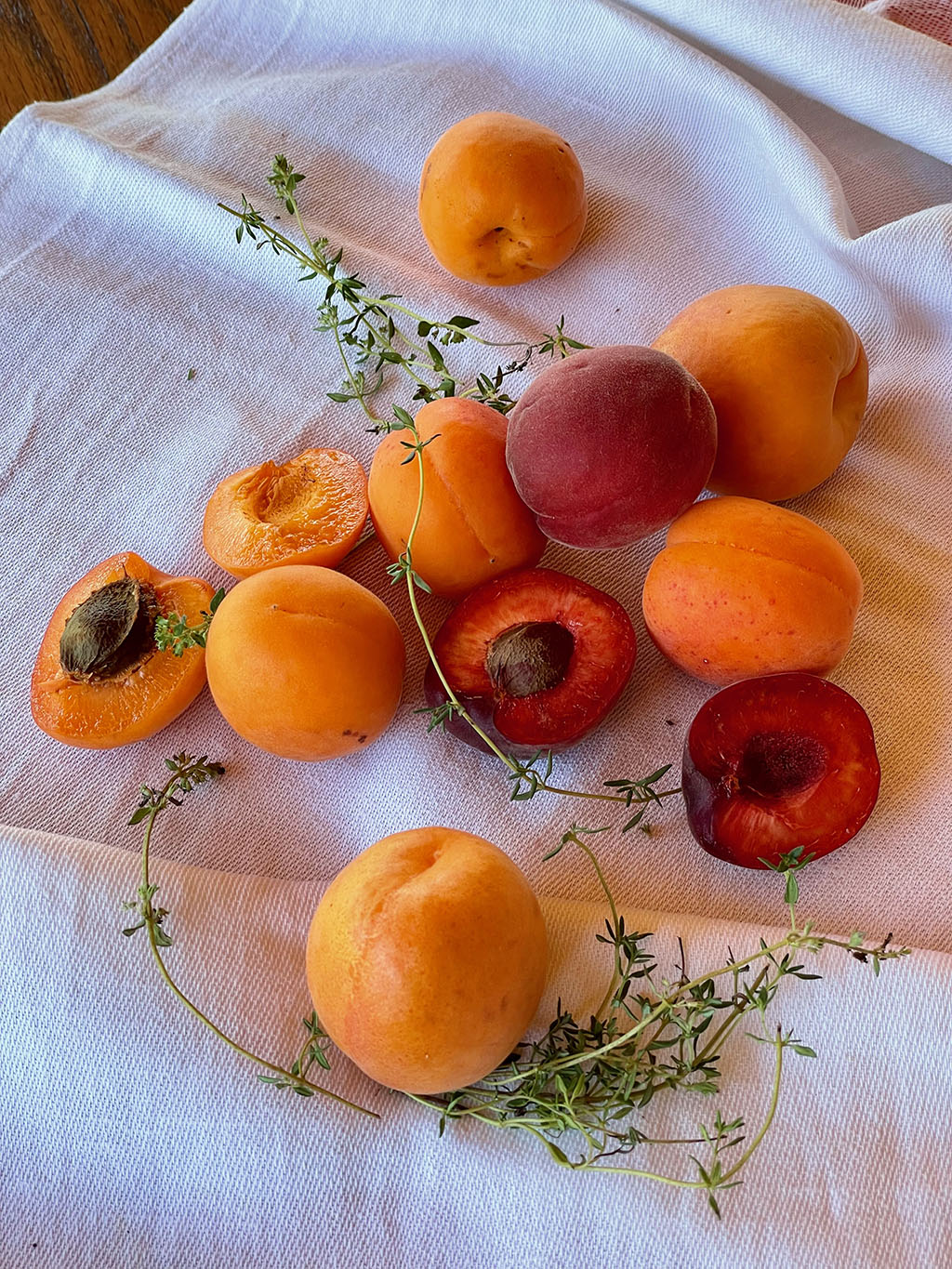
It becomes obvious that the summer is in full swing when fruit aisles are graced with radiant, bright orange moons that ooze delicate floral and almond aromas. The apricots.
This fragile fruit comes from a tree that arguably was the only tree surviving the great floods. Legend has it that Noah himself brought it from the Ark and planted it in the new soil.
Described by the English writer John Ruskin “as shining in a sweet brightness of golden velvet”, apricots most likely were first cultivated in China circa 2000BC, however, it is in the plains of the Ararat Mountain of Armenia* that they gained their ultimate popularity and adoration.
Armenia’s volcanic soil, the cold winters and the warm summers provide the ideal condition for the fruit to come into its full potential. The Armenian apricot is neither yellow nor orange in colour. Lovingly titled in Armenian as “tsiran”, the fruit and the colour have become the country’s national symbol.
During ancient times, the Armenian kings and queens would adorn themselves in apricot-coloured garments called “tsirani”, and in modern days the apricot stripe takes its pride of place in the national tricolour flag together with red and sky blue. No surprise that this member of the rose family, whose relatives include the plum, peach, cherry and almond, is known botanically as Prunus armeniaca, an Armenian plum.

At the same time, apricots have been equally popular in the Middle East. In this way, in Damascus, the dried sheets of apricot juice, called amardine, take centre stage in preparing a special drink to break the fast during the Ramadan season. This sticky and chewy roll, also known as apricot leather or apricot lavash (a traditional flatbread in Armenia, Iran and Turkey), is prepared by drying the apricot juice in the sun and then slicing it into the leather-like sheets. It is then used as a snack, or as flavouring in a drink or as an addition to dishes, sweet and savoury.
As sweet aficionados, the Arabs would commonly pair apricots with pistachios or almonds, or use them in a whipped cream topped with a rose water or orange blossom essence. With regards to savoury dishes, lamb finds a special affinity with apricots. Since the Middle Ages, chefs of the caliphs stretching from Gulf to Sicily would use apricots to cut through the richness of a meat stew and bestow an additional flavour onto the dish. Even today, it is a well-known technique to include dried apricots into a Christmas turkey stuffing.
Apricots arrived in Europe with the help of Alexander the Great who is credited with introducing the fruits to Greece. Later on, the Moors brought them to Spain and King Henry VIII’s gardener brought them to England. In the West, some local varieties have been developed to accommodate the local growing conditions, but arguably they can hardly surpass the flavour and texture of an Eastern apricot.

Unable to withstand long shipping, Eastern apricots are known for their range of flavours, spanning from ultra-sweet to acrid and even bitter, thin and edible skins, delicate and juicy flesh.
Often delivered in dried or canned form, they can be perfect for an upside-down cake, a frangipane tart or as part of a stuffing destined to be served with chicken, lamb or pork.
When used fresh, apricots can be roasted, grilled, baked, poached, cooked into jams and preserves, made into ice cream, or pureed for use in sauce or dressings.
Try using them grilled with mozzarella, thyme and honey dressing for a delicious alternative to a Caprese salad or poach them with vanilla or lavender for a truly heavenly treat.
Generous and versatile, apricots can be enjoyed regardless of their place of origin or method of cooking. The only thing that often stands in the way is forgetting to include them in the shopping list. So, act now, make a note whilst these orange delights are still in season.
*With thanks to my Armenian friends for the help with pictures and cultural references
By Dr. Irina Mikhailava
|| features@algarveresident.com
Dr. Irina Mikhailava, a chef and a good food champion, happily residing in the Algarve and eating all over the world with an appetite for learning, sharing and writing. Instagram: incompanyoffood