On a recent trip to Rome, I was asked about an Italian food that I would take to a desert island. What a loaded question, right? The beauty and the bounty of Italian gastronomy knows no boundaries.
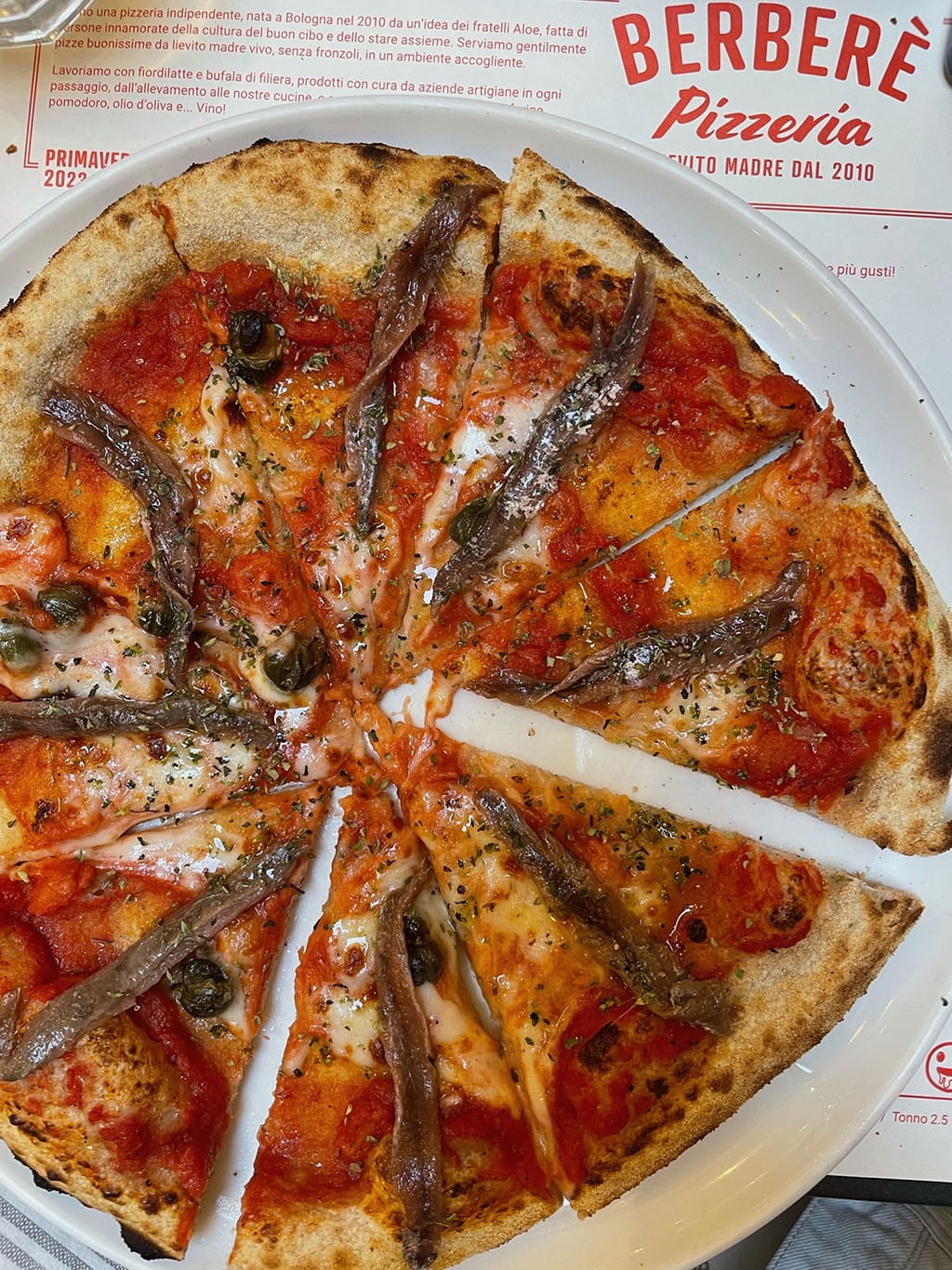
However, amidst the abundance of choice ranging from pizzas, pastas, limoncello, mozzarella, mortadella, gelato and more, my mind was steadfast on one thing and one thing only. Anchovies! The answer startled the guide, but I could see that he was secretly pleased. After all, these small, oily fish are the unsung heroes of flavour, be it in Italy or beyond. Let’s take a closer look.
As species, anchovies are the saltwater fish that live in large schools and tend to reside close to the shore, making them relatively easy to catch. They are a part of the Engraulidae family and a cousin of sardines, a relative of herring and distant kin of kippers*.
Nutritionally, anchovies are packed with heart-healthy omega-3 fatty acids, which are known to reduce inflammation, support brain health, and improve cardiovascular function. They are also an excellent source of protein, calcium, iron, and vitamin D. What is not to like?

For millennia, anchovies have been happily ingested around the world. In Ancient Greece, anchovies were highly prized for the patience and skill required to catch, clean and cure them. The Romans turned these shiny little fish into a sauce called garum (see “Let’s get saucy” at portugalresident.com) which they used liberally in cooking. The philosopher Pliny the Elder praised anchovies for their medicinal properties and referred to them as the “food of the gods”.
At the same time, anchovies are also the key ingredient in beloved Asian cuisine. In Southeast Asia, the legendary fish sauce is made of fermented anchovies. For its depth of flavour, saltiness and umami notes, it serves recipes in countless cuisines such as Thai, Vietnamese, and Filipino. A well-known Korean staple, kimchi also calls for dried anchovies to build a dish bomb that explodes in acidity, heat and saltiness all at the same time.
Then, there are the Victorians and Edwardians who had a thing for what they called savouries. These were small dishes that were served alongside or after the dessert at a dinner party. Not many survived, but a recipe of what is known as the Gentleman’s Relish still frequents the tables. It is essentially a heavily spiced, potted anchovy purée, so pungent in its flavour that the product required a warning, “Patum Peperium”, which is Latin for ‘pepper paste’; read ‘use sparingly’.

One of the most iconic uses of anchovies is in the classic Caesar salad dressing. Mashed with garlic, egg yolks, lemon juice, parmesan, Worcestershire sauce and olive oil, they form a heavenly cream that might be just short of divine for its savoury, creamy and tangy nature.
It might seem that the best way to eat anchovies is as a condiment. This would be an oversimplification. Whilst they are a great addition to many dishes, their true potential should be fully appreciated when they are enjoyed just as they are, fresh or salted.
There is nothing more wholesome and rewarding than a cone of deep-fried anchovies when walking the Ligurian Coast of Cinque Terre in Italy. Or, a combination of salted anchovies and lightly grilled nectarines, topped with Pedro Ximénez sherry for an authentic Spanish twist. For me, one of the best ways to enjoy them is on a sourdough toast. Their soft, creamy, almost sweet flavour is seductive and definitely hunger triggering, tempting to have just one more, and one more.
In Europe, the shores of the Bay of Biscay are plentiful in their anchovies’ supply, whilst the anchovies from the Western and Southern Atlantic Iberian waters should be avoided as stocks are overfished. Making informed choices is always a part of enjoying food. For more information on responsible fishing, please check the Good Fish Guide from the Marine Conservation Society.
*Sardines, herring and kippers are all the same kind of fish of the Clupeidae family. Herring is what sardine becomes when it grows large, and kippers is a herring that has been butterflied and cold smoked.
By Dr. Irina Mikhailava
|| features@algarveresident.com
Dr. Irina Mikhailava, a chef and a good food champion, happily residing in the Algarve and eating all over the world with an appetite for learning, sharing and writing. Instagram: incompanyoffood