EU funding fuelled increase in Algarve’s contribution to GDP
The Algarve’s contribution to Portugal’s GDP increased from 4% to 5% between 2014 and 2020, a development attributed to European funding under the CRESC Algarve 2020 programme.
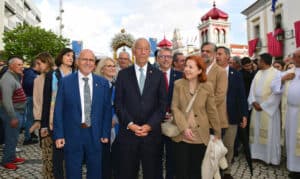
So said José Apolinário, president of the regional development commission (CCDR Algarve), on Tuesday at a ceremony in São Brás de Alportel to mark the programme’s conclusion.
Speaking at the event, Apolinário highlighted the transformative impact of the nearly €319 million investment carried out via the programme. “At the moment, the economy generated in the Algarve represents 5% of the national GDP, with tourism as the leading sector,” he told reporters.
The EU-backed programme also contributed to several improvements in public services, namely in the education sector, where a “strong investment was carried out in schools,” the CCDR Algarve boss said. Pre-school enrolment rose from 80.9% in 2013 to 101% in 2023, surpassing the 93% target (the percentage can surpass 100% in the cases of enrolment of non-resident children or inclusion of slightly younger/older students, for example). Meanwhile, the percentage of basic education students attending regular public schooling also increased from 96.4% to 99.9%, he said.
CRESC Algarve 2020 allocated significant resources to improving businesses’ ability to export their products, making public administration more efficient, improving employment access for young people, strengthening professional education and promoting a more environmentally friendly economy.
In total, over 1,500 investments were approved as part of the programme. Among its main achievements were investments in the Barranco do Demo boardwalk in Monchique, the Vila do Bispo Museum, the Guadiana River shipyards, and the Ecovia do Litoral Sudoeste walking and cycling paths. Funding also supported advancements in healthcare, including the Algarve Central Hospital project and the Surgical Simulation Centre in Loulé.
The next phase of EU funding for the Algarve, running until 2030, is expected to focus on sustainability and healthcare. The program allocates €66 million for water management and significant investments in oncology care.
However, Apolinário stressed the need for greater investment in higher education to address regional disparities. “We need more courses and more advanced training opportunities, as the Algarve remains below the national average in this area,” he concluded.