Long list of issues detailed in the audit
An audit of security conditions across Portugal’s 49 prisons has revealed significant shortcomings in equipment, management, and resource allocation.
Delivered by the Inspectorate-General of Justice Services (IGSJ) on December 27, the report was prompted by the escape of five inmates from the Vale de Judeus prison in September 2024. The findings, requested by Justice Minister Rita Júdice, highlight systemic issues and a lack of investment in the prison system over the years.
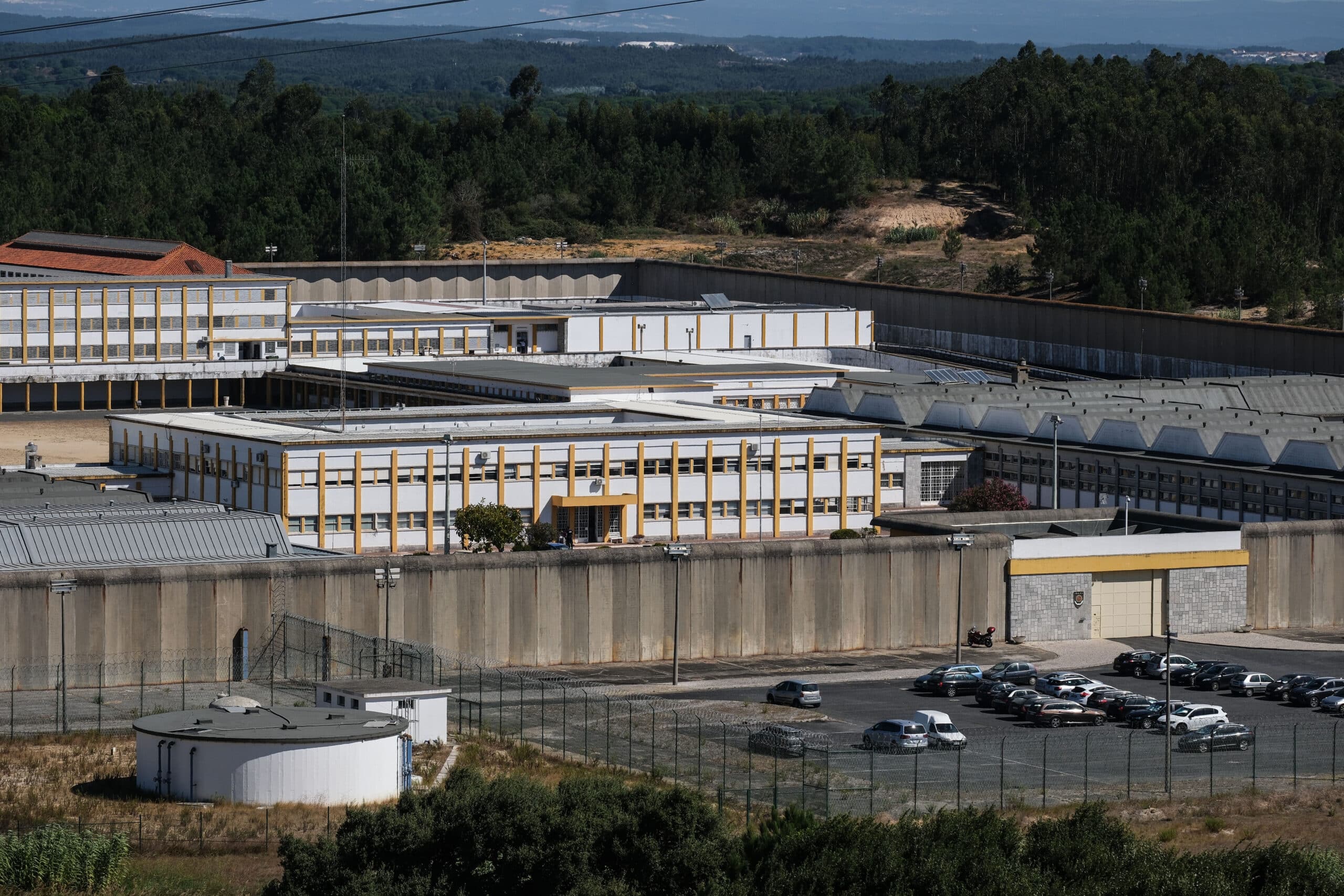
The report identified several infrastructure and equipment deficiencies, including non-functional watchtowers in several facilities and the absence of anti-contraband systems to prevent objects from being thrown into prison yards. Many transport vehicles are outdated, some dating back to 1998 and 2000, while facilities for visits were deemed inadequate. Additionally, surveillance camera systems lack standardisation.
Organisational and management challenges were also highlighted. The allocation of inmates to cells and wings faces persistent issues, as does the transfer of prisoners between facilities. Limited coordination between the General Directorate of Prison Services and individual prisons exacerbates these problems. The report also noted logistical strains caused by the high concentration of inmate movements on specific days for medical appointments and court appearances. In some cases, pretrial detainees were placed in prisons designed for convicted inmates, further complicating operations.
Human resources remain another critical area of concern. The audit found a significant shortage of prison guards, worsened by prolonged absences due to service-related injuries, illnesses, and medical leaves. Many guards are nearing retirement age, and training on specialised topics is insufficient. There is also a lack of personnel dedicated to monitoring video surveillance systems, which impacts overall security, the report says.
Justice Minister Rita Júdice responded to the findings by acknowledging the years of underinvestment in the prison system. However, she highlighted recent measures aimed at addressing some of the deficiencies, including the procurement of new vehicles and electronic surveillance equipment, the recruitment of 225 additional prison guards, and the initiation of urgent renovations in Lisbon and Ponta Delgada prisons. She added that while these steps are a beginning, the requalification of the prison system is a complex and lengthy process requiring substantial time and resources.
To address the issues raised in the audit, the Ministry of Justice has tasked the General Directorate of Reinsertion and Prison Services (DGRSP) with prioritising the identified shortcomings based on urgency, creating a timeline for corrective measures, and submitting progress reports by March and June 2025. Additionally, a follow-up audit by the IGSJ is scheduled for the final quarter of 2025, with findings expected by year’s end.