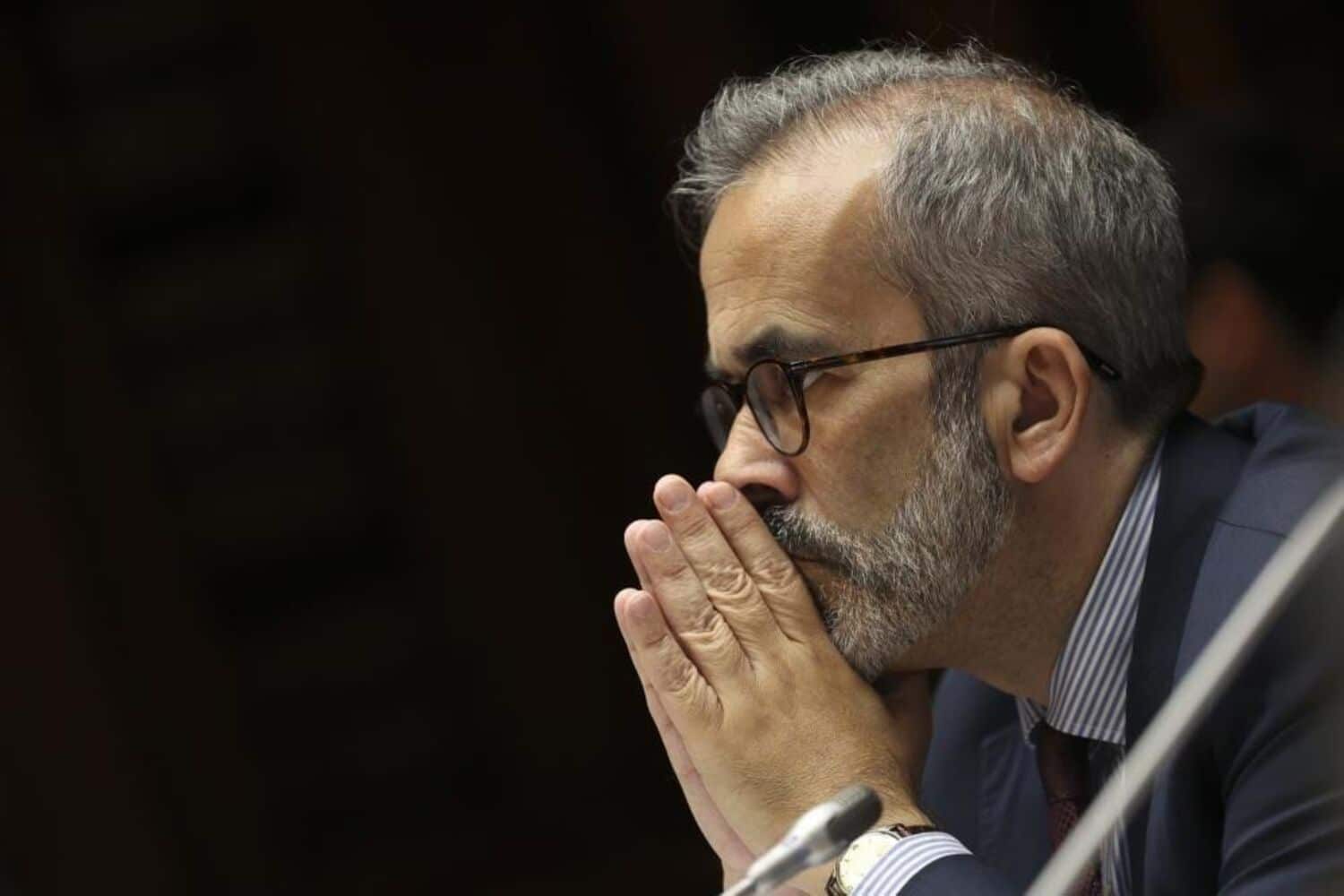
Portugal’s foreign minister represents Portugal at meeting where ‘no decisions are made’ but where sentiments towards the US are changing
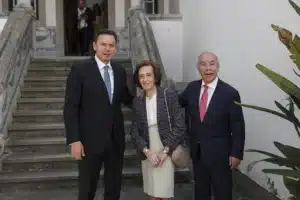
In the “particularly hectic context” of a United States of America creating constant waves in international affairs, Portugal’s foreign minister Paulo Rangel will be just one of hundreds of officials preparing for this weekend’s Munich Security Conference.
Lusa news agency today reports that Rangel sees the meeting as an opportunity to exchange information on the conflicts in the Middle East and Ukraine, and the role of NATO.
But “new developments” in the situation in Ukraine – with talks having taken place between President Trump and Russian dictator Vladimir Putin and been almost immediately splashed over social – “will obviously have to be digested by then and will certainly be very, very, very relevant”, he admits.
Rangel sees the Middle East issue likely to “dominate many conversations”, on the “boil from the beginning” – bearing in mind that President Trump has given Hamas until midday on Saturday (when the meeting will be less than half way through) “to deliver all the hostages” still in its clutches.
“Then, the third vector is very important, the new role and place of NATO, within the framework of the visions of the new North American administration”, Rangel adds.
As such, the meeting will not serve so much to “produce a position” but “to exchange views, to prepare positions and negotiations within the framework of the European Union, NATO and the United Nations”.
In these debates it will be possible to “understand what the international dynamics are in terms of security, defence and peace in these two main concepts, the Middle East and Ukraine, but also about the new international order in terms of security – where obviously, the role of NATO must be duly integrated”, Rangel told Lusa.
Around 60 heads of state and government, along with sundry delegates, will meet from tomorrow at the Munich Security Conference, known by its acronym in English MSC.
The conference, which runs until Sunday, brings together the world’s geopolitical elite every year in the capital of Bavaria, in southeastern Germany.
This year’s meeting takes place in a particularly hectic context, says Lusa, following the inauguration of the Donald Trump administration in the United States “and the new European Commission”.
It also takes place at a time of rising tensions between Israel and Hamas, notably in the context of Trump’s proposal to transform Gaza into a “Riviera of the Middle East”, without the Palestinians.
One of the expectations of the meeting is the possibility of learning about a peace plan from the US for Ukraine (Russia having not been invited to the meeting).
Discussions over the three days will also centre on a document entitled “Multipolarization”, prepared by a group of experts.
“The report shows a polarized and uncertain world, with a large number of actors with the capacity to influence global affairs and with political and economic liberalism being challenged in many parts of the world”, says Lusa.
With President Trump and his own agenda on everyone’s mind, the US administration will be represented at the conference by deputy president JD Vance.
Source material: LUSA