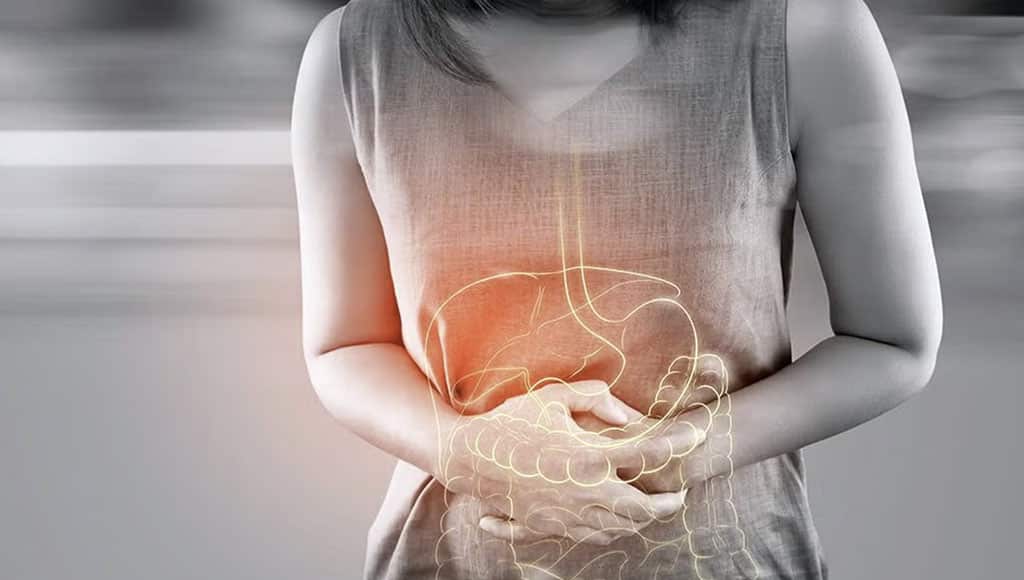
Ulcerative colitis (UC) is a chronic inflammatory disease of the gastrointestinal tract, characterized by inflammation and ulcers in the mucosa of the colon, which is the final part of the large intestine. It is part of the group of inflammatory bowel diseases, along with Crohn’s disease, and can seriously affect patients’ quality of life.
The exact causes of UC are not yet fully understood, but it is believed to be a combination of genetic, environmental, and immunological factors. The immune system of individuals with UC reacts abnormally, attacking the intestinal mucosa itself as if it were a pathogenic agent. This results in inflammation and ulcers.
Genetic factors play an important role, as the disease is more common in people with a family history. Additionally, environmental factors such as diet, infections, or stress can trigger or worsen disease in genetically predisposed people.
UC can manifest itself in a variety of ways, with symptoms ranging from mild to severe and debilitating. The main symptoms include:
• Diarrhea with blood and mucus: One of the most characteristic signs of the disease is diarrhea accompanied by blood, often associated with the presence of mucus in the stool.
• Abdominal pain: Abdominal pain or cramping, often relieved after a bowel movement, is common.
• Weight loss and fatigue: Chronic inflammation can lead to weight loss, weakness, and excessive tiredness.
• Fever: During disease outbreaks, fever may be a present symptom.
• Anemia: Due to chronic loss of blood in the stool, anemia may occur, which manifests itself as tiredness and paleness.
The disease can be in different areas of the colon, and the severity of symptoms depends on the extent and depth of the inflammation. Although UC is a chronic disease, patients may experience periods of remission followed by acute flare-ups.
Treatment aims to control symptoms, induce remission, and maintain control of inflammation. Therapeutic approaches include:
1. Anti-inflammatory medications: Are often used to reduce inflammation in the colon.
2. Corticosteroids: Are used to control acute flare-ups of inflammation, but due to their side effects, they are used for short periods.
3. Immunosuppressants: Help reduce the activity of the immune system, preventing chronic inflammation.
4. Biologicals: Biological drugs have shown great efficacy in treating moderate to severe forms of the disease by blocking the inflammatory response.
5. Surgery: In severe cases or when drug treatment is not effective, it may be necessary to remove the affected colon (colectomy), the most common being the creation of an ileal pouch, or a pouch, to replace intestinal function.
Nutrition plays a crucial role in the management of UC. Although not a direct cause of the disease, certain foods can trigger or worsen symptoms. High-fat diets, foods high in insoluble fiber, processed foods, and dairy products can worsen inflammation during flare-ups.
During periods of disease activity, an easily digestible, low-fiber diet may be recommended to minimize colon irritation. Cooked foods, lean meats, well-cooked vegetables, and simple carbohydrates such as white rice and potatoes may be more tolerable. Hydration is also essential, especially during episodes of diarrhea, to avoid dehydration.
On the other hand, during periods of remission, eating foods rich in fiber and nutrients, such as fruits, vegetables, and whole grains, can be beneficial for maintaining intestinal health.
It is essential that patients with UC seek the support of a nutritionist to ensure a balanced diet that meets their nutritional needs without aggravating the disease.
Article submitted by the HPA Group