May 18 elections described as “strangest and most unpredictable in history of Portuguese democracy”
With pre-election debates finally over, Portugal is now in the thick of a campaign that has been described today as “the strangest and most unpredictable in the history of Portuguese democracy”.
Carlos Rodrigues, editorial director general of the country’s best read tabloid, Correio da Manhã, explains that these upcoming elections on May 18 are ‘strange’ because essentially no one wants them: “the majority of the electorate have disapproved (of these elections) since they were scheduled, and the generality of the parties also insist they didn’t want them” – and they are unpredictable “because the issue that led to the fall of the government is unprecedented: it is the first time that a prime minister fell because of a company in his family universe, a situation which raises ethical problems at the very least.
“Anything could happen”, he concedes.
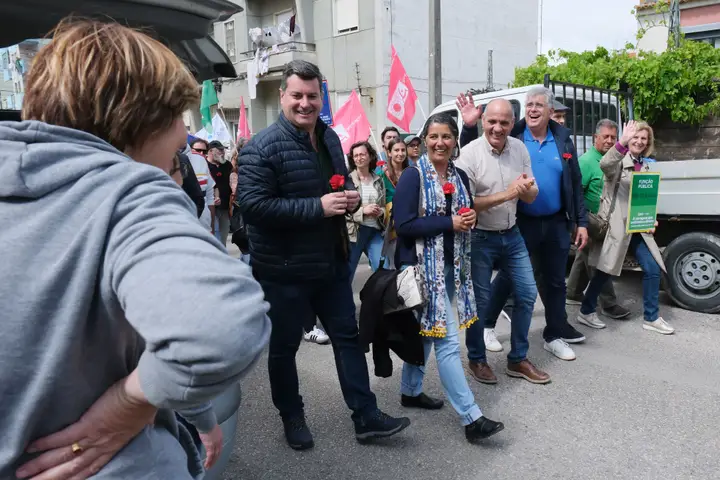
But “the first effect of this unusual conjugation of circumstances is the visible divorce between the Portuguese and the electoral proposals, which could be seen in the fall in audience numbers for the debates; the reduction of initiatives by way of street campaigns and a greater than normal disinterest in parties’ electoral programmes”.
Voters have also been faced with “one of the principal two candidates (Pedro Nuno Santos, leading PS Socialists) predicting that instability will continue” whatever the election result, which, according to Rodrigues, opens the spectre of “yet further elections, when these haven’t even taken place”.
What Rodrigues didn’t mention is the fact that whatever government emerges after the latest elections, there can be no further elections until next summer, due to the fact that President Marcelo is standing down in January (and prevented under the Constitution of dissolving parliament before he goes) – and whoever takes oover has also to wait a certain period of time before parliament can be dissolved.
In other words, these elections are the last chance for a ‘working majority’ (of whichever party wins) for the next year – and thus both leaders are telling voters: “Don’t throw your votes away on the smaller parties”.
The smaller parties (of which there are already six in parliament: CDS/ LIVRE/ PAN/ Bloco de Esquerda/ PCP communists and Iniciativa Liberal) are, as would be expected, trying to impress on the electorate how important they could be in any future administration.
Another aspect of these elections is the level of personal insults: it seems a great deal higher than in previous campaigns, with Pedro Nuno Santos seen to be seizing every opportunity to denigrate PSD leader Luís Montenegro, to the extent that he is even talking about “Trumpisation” of policies (this, referring to the government’s decision to give thousands of immigrants 20-days to ‘self deport’).
In many aspects, immigration and Spinumviva (the prime minister’s family firm) have taken ‘centre stage’ in this frantic contest, when the real problems of the country are lost in the maelstrom. And this is precisely what pundits warned: these elections are much more about securing power than about improving the lot of the electorate.
Source material: Correio da Manhã