Imaging Lab by ABC in Loulé introduces cutting-edge magnetic resonance imaging (MRI) technology which was previously unvailable through the Algarve’s public health system
A state-of-the-art medical facility was inaugurated last week in Loulé, promising to provide a significant boost to diagnostic care in the Algarve.
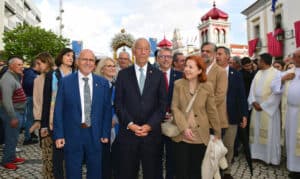
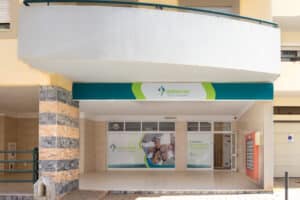
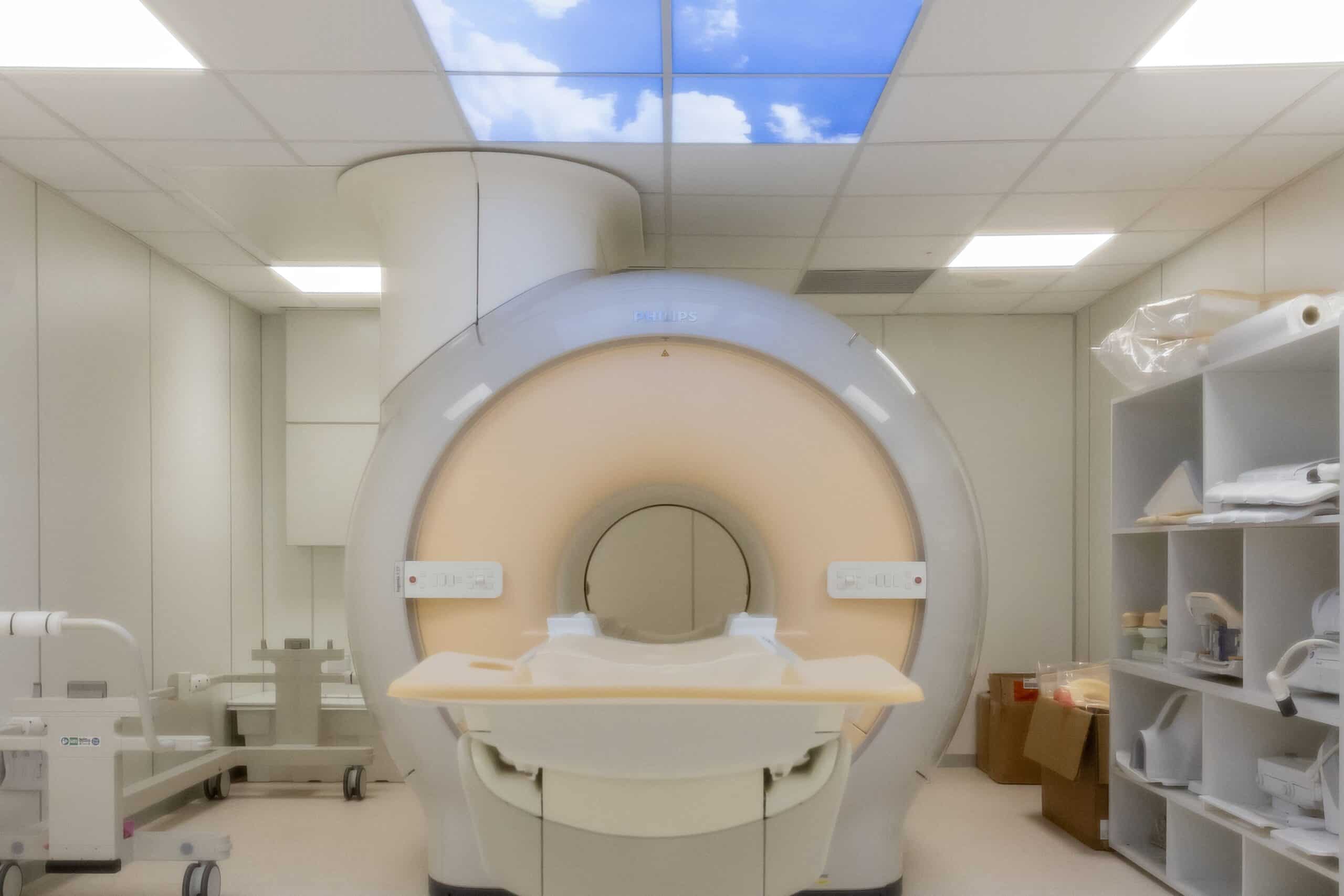
The new Imaging Lab by ABC, inaugurated on Friday (September 27), introduces cutting-edge magnetic resonance imaging (MRI) technology in the region.
Marking the latest collaboration between the Algarve Biomedical Center (ABC) and the Algarve’s Local Health Unit (ULS), the advanced MRI unit is expected to have a substantial impact in diagnosing and monitoring a wide range of medical conditions, covering fields such as neurology, musculoskeletal health, abdominal and cardiovascular issues, as well as oncological and paediatric care. Among its capabilities are whole-body, cardiac, and foetal MRI scans – services previously unavailable through the Algarve’s public healthcare system.
The new unit will also use artificial intelligence (AI) to enhance imaging precision, enabling faster and more accurate results.
Helena Guerreiro, a young doctor originally from Loulé, has returned from Hamburg, Germany, where she led a research team, to oversee this pioneering project, the municipal council of Loulé says in a statement to the press. Cited in the statement, Dr. Guerreiro explained that the initiative will focus on three pillars: reducing patient waitlists through research-driven collaborations, developing new imaging techniques, and fostering strong partnerships between public hospitals, the ULS, University of Algarve, and ABC.
While the MRI services will initially be available only by hospital referral, the goal is to eventually allow health centres to refer patients directly, expanding access to these vital diagnostic tools. “We are creating something unique – a medical imaging unit within an academic setting,” Dr. Guerreiro said. “By strengthening our ties with the ULS, we aim to serve as many patients as possible in the future.”

Pedro Castelo Branco, president of ABC, explained that the project aims to “bolster medical research in the region” whilst also “improving the quality of life of those who life here.” He also revealed that the unit’s creation is the work of several entities, such as the regional development commission (CCDR Algarve), which helped provide community funding, and the municipal council of Loulé, which he described as a “key partner in this and other projects”, as well as the ULS, which contributed with “all the medical know-how and hospital infrastructures,” and the University of the Algarve, whose role sees it contributing with “scientific knowledge and training capacity.”
The introduction of this state-of-the-art MRI system is also expected to reduce long patient wait times and prevent the need for residents to travel to other parts of the country for specialised tests, Castelo Branco said.
While the Imaging Lab will initially operate from a temporary facility next to the Professor Joaquim Vairinhos municipal pavilion, it is slated to be permanently housed in the upcoming ‘Edifício Mariano Gago’, a 4,200-square-metre research complex set to open near the Loulé Municipal Stadium. This is also where other ABC facilities will be relocated to, including its Centre of Experimental Surgery, currently located on Rua de Betunes. According to Loulé mayor Vítor Aleixo, a tender for the construction of the building is due to be launched towards the end of the first quarter of 2025.
Loulé’s Mayor, Vítor Aleixo, underscored the importance of this development as part of a broader commitment to positioning the town as a hub for scientific innovation and biomedical research. As he explained, the MRI unit is a “crucial pillar” of the growing ecosystem of scientific research and innovation that is being built in Loulé, Aleixo said, pointing to the forthcoming Academic Health Centre as another major addition to the city’s healthcare landscape.
Mayor Aleixo also emphasised the political and economic strategy driving these investments, which aim to diversify the region’s economy beyond its traditional reliance on tourism and real estate. “The investment in science that we are making in the Algarve, particularly in Loulé, is the future of our region,” he added.