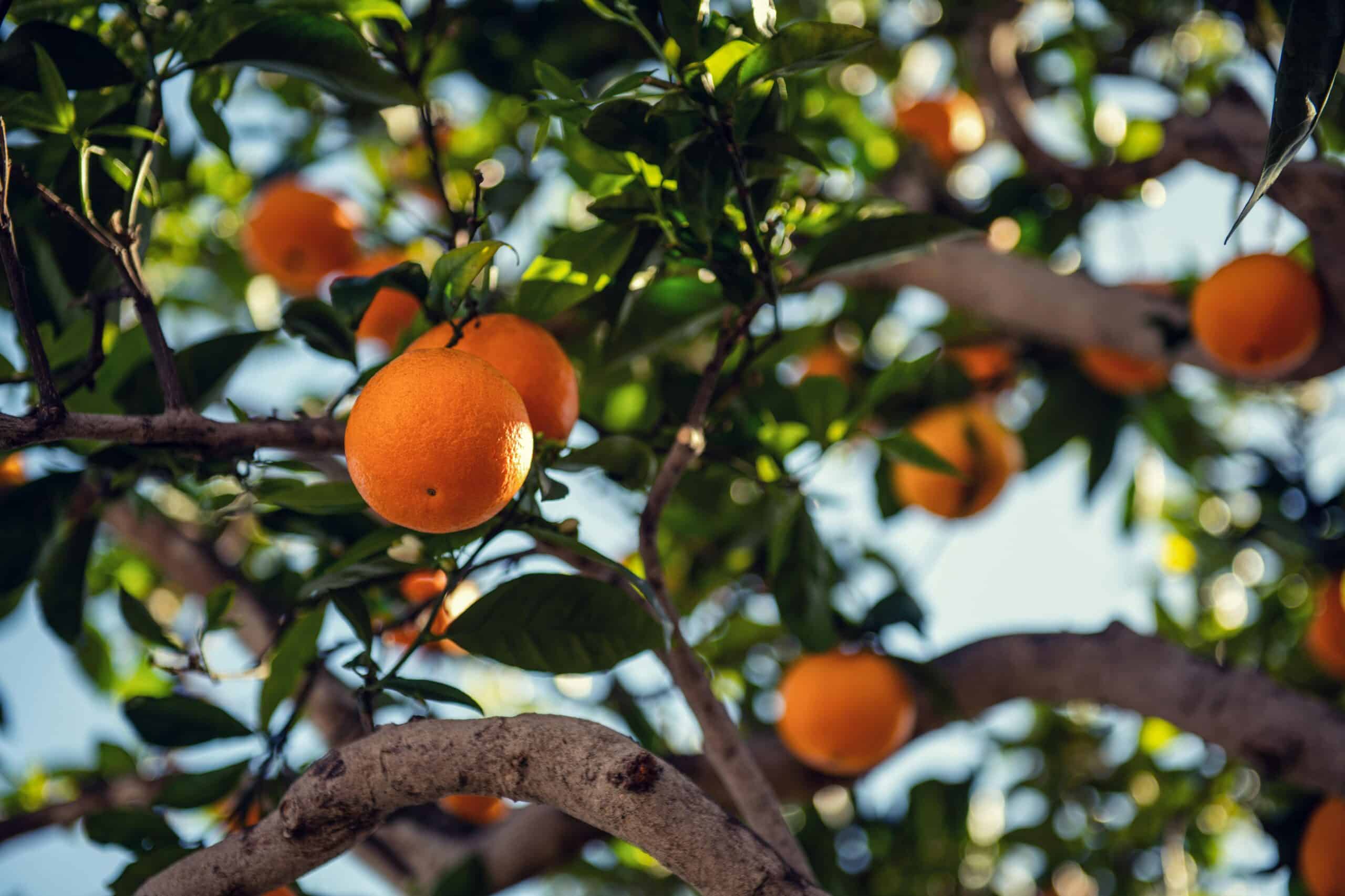
Citrus production fell 30% due to Algarve’s bad weather
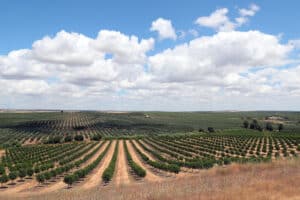
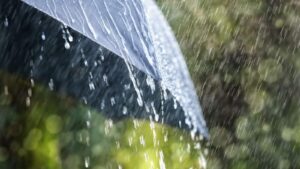
The bad weather that hit the Algarve in recent weeks has caused an estimated drop of around 30% in citrus fruit production and “some damage” to farms, farmers and citrus producers have reported. Despite the damage caused, they have welcomed the rain which has helped “refill reservoirs and recharge aquifers.”
The farming sector in the western Algarve ended up being the worst affected by the bad weather, with damage to premises,” Diana Ferreira, vice-president of the Algarve Agriculture Federation (Fedagri), told Lusa news agency.
Storm Martinho affected “mainly livestock producers, with not very significant damage to facilities, sheds and animal watering troughs”.
“In the orchards there was some fruit falling, which is normal with wind and heavy rain, and there are situations of rot caused by the increased presence of fungi,” said Ferreira.
The spokesperson added that “these are situations that can be controlled with treatments and with the selection of fruit at fruit centres that is not fit to reach the final consumer”.
“Fruit that can’t be marketed will be sent by the fruit plants for enhancement, i.e. for the production of biogas or organic compounds,” she said.
Diana Ferreira assured that the information gathered from producers “is that there are no major costs [losses] associated with the bad weather of the last few days”.
Overall, farmers say the bad weather did more good than bad, given the “lack of water there was” in the Algarve.
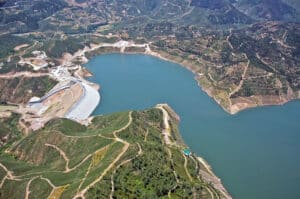
“This rain was very welcome, and we have to see the positive aspects, as we really needed water to refill the reservoirs and recharge our aquifers,” said Ferreira, who is also a representative for the Algarve Citrus Operations Association (AlgarOrange).
According to data released by the Portuguese Environment Agency (APA), there was an increase from 78% to 84% of water stored in the six reservoirs that support public supply and agriculture in the Algarve between March 18 and 24.
While attention has been focused on dam water levels, Ferreira also wants to know what the impact of the recent rainfall has been on the Algarve’s groundwater, which 60% of the region’s agricultural sector depends on.
“Apart from agriculture, a lot of the public, especially in the interior and the region away from the coast, depends on groundwater,” she said.
The Fedagri representative believes that it is “essential” that the environmental agency (APA) also publishes data on groundwater, because it is “a key point that cannot be forgotten”.