

Cruising down the coast
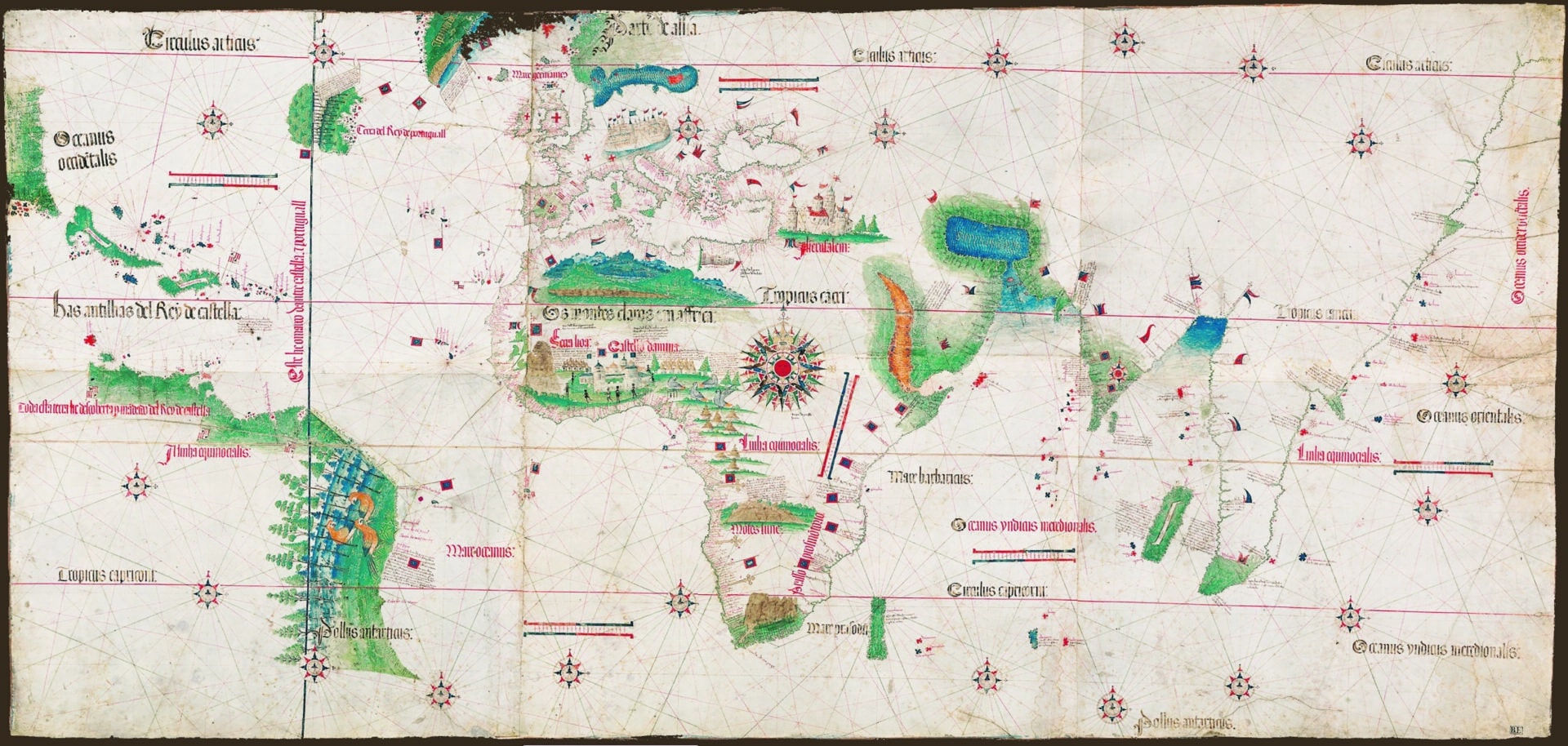
When discussing the Portuguese exploration of the west coast of Africa (and the eventual rounding of the Cape of Good Hope to India), there are a number of significant historical
A nostalgic walk through Lisbon
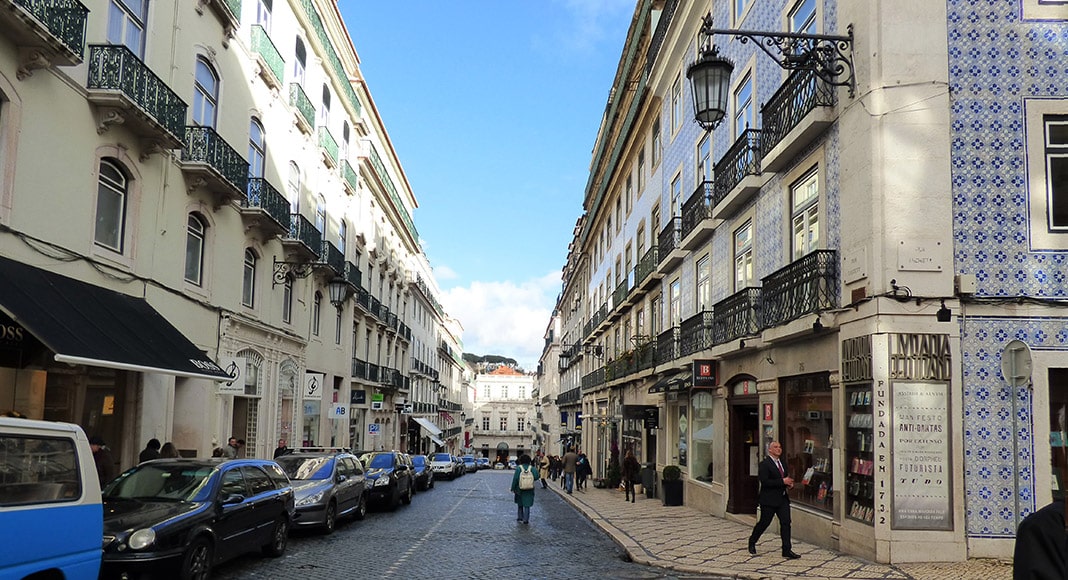
I have always loved Portugal because I grew up here. Aged 13, I attended school in England and spent the next 22 years wanting to come back. In 1999, my

Francisco da Costa Gomes (1914-2001) – 15th President of the Republic
When General Spínola resigned as President of the Republic on September 30, 1974, there was only one possible choice to replace him. And indeed, Portugal was fortunate that General Francisco
The Myth of Sagres
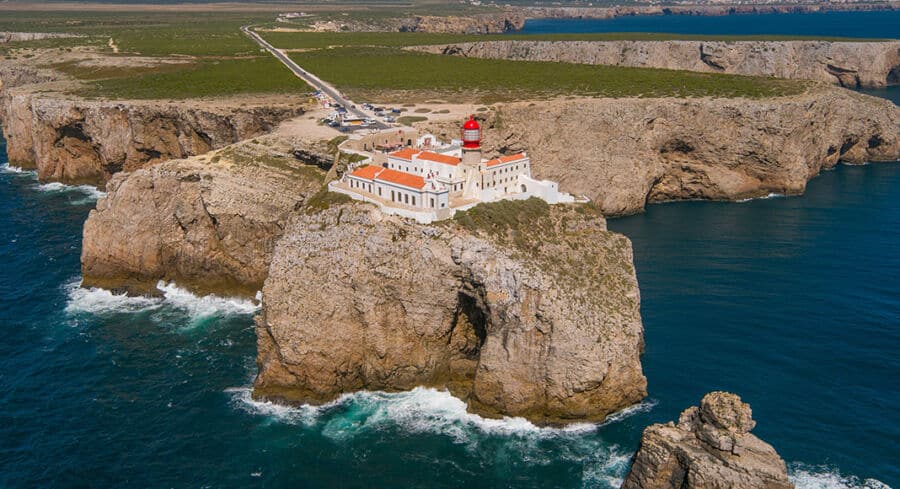
The myth that surrounds the site of Sagres would be amusing if it were not so outlandish. Tourist brochures, superficial writings on the Algarve, even the United States Power Squadrons

General António Sebastião Ribeiro de Spínola (1910-1996)
Of the 19 individuals who have occupied the office of President of Portugal, only two have served for less time than General Spínola. He was in office for only four-and-a-half
Calouste Gulbenkian Foundation, Lisbon
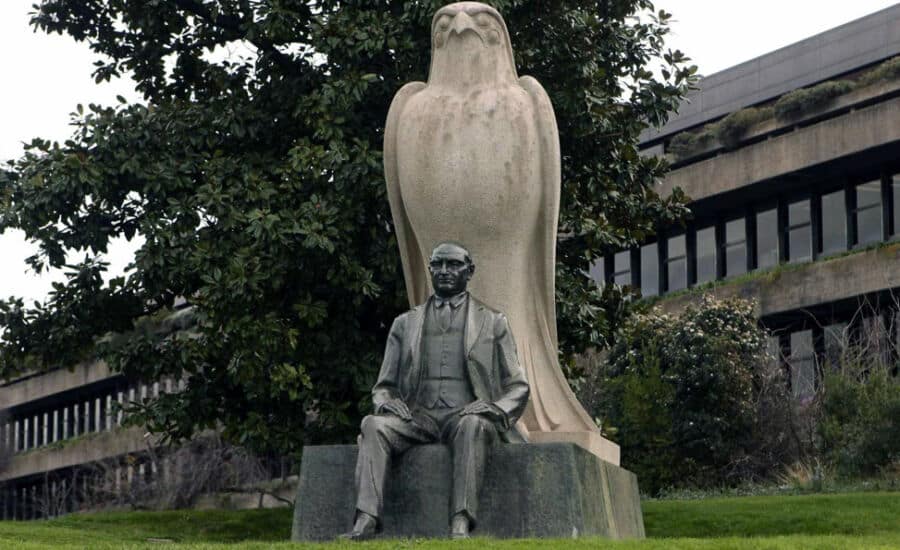
Calouste Gulbenkian’s nationality was originally Ottoman. He became British in 1902 and lived most of his life in France, so why is his Foundation in Lisbon? When war broke out

Gulbenkian’s road to riches
One of the guiding principles in Gulbenkian’s life was that no one power should have a dominant interest in oil production. When he founded Turkish Petroleum Company (later Iraq Petroleum
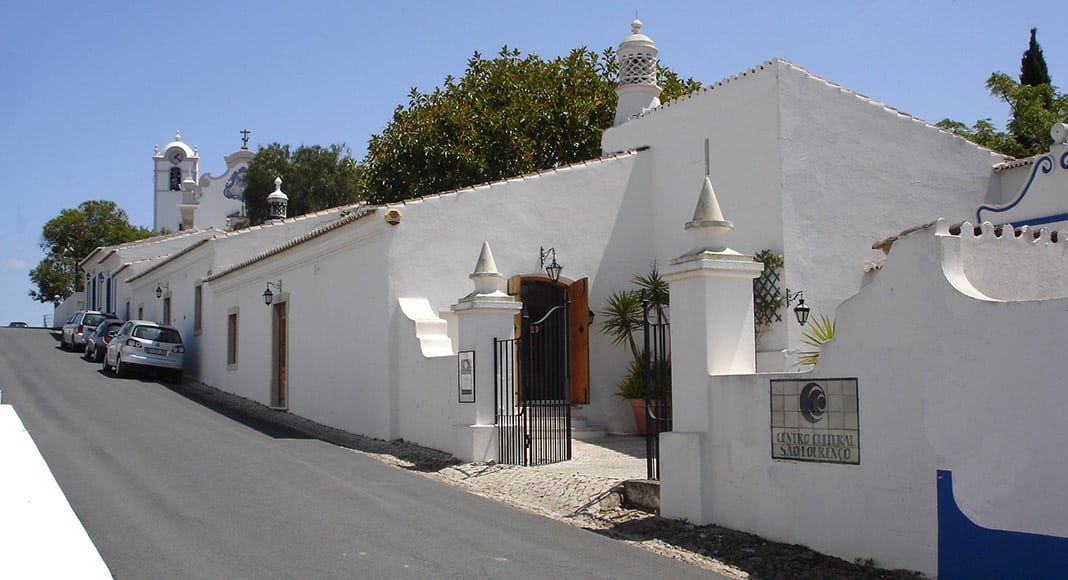
The story of the Amigos de Música
This year marks the 30th anniversary of this Circle of Music Friends and it well deserves to be celebrated. This non-profit, private members’ organisation was incorporated in March 1991 as

Calouste Gulbenkian
The Calouste Gulbenkian Foundation located close to the centre of Lisbon is one of the wealthiest foundations in the world, having inherited its riches from Calouste Sarkis Gulbenkian, the Armenian
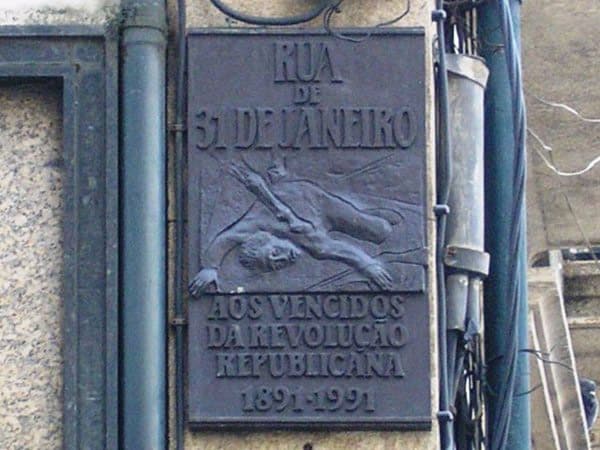
Rua de 31 de Janeiro: the story behind the street name
When we first visited Portugal, I was intrigued that some of the streets were named after calendar dates. As Northern Europeans, we were unfamiliar with this way of topographical naming