Bypass will divert traffic away from the heart of Olhão
After years in the making, Portugal’s infrastructure authority is officially moving forward with the construction of the bypass to the Algarve’s EN125 national road in Olhão.
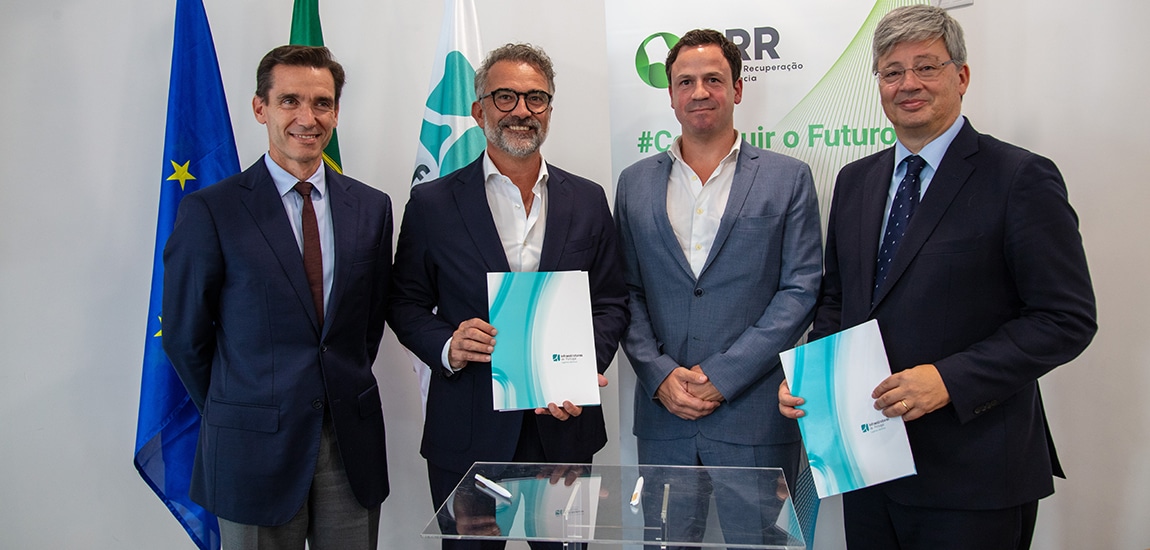
The contract for the construction of the bypass was signed on Monday, September 30 in Almada at the headquarters of Infraestruturas de Portugal (IP) during a ceremony attended by Miguel Cruz, chairman of IP; António Pina, mayor of Olhão; and Tiago Couto, representative of construction company Gabriel A.S. Couto, SA.
Representing a €14.4 million investment, financed by Portugal’s Recovery and Resilience Plan (PRR), the project will aim to solve the bottlenecks that the town has become notorious for by diverting vehicles to the new bypass road, given that the EN125 crosses right through the heart of the town. Says IP in a statement, this is expected to significantly reduce the risk of accidents, particularly pedestrian-related incidents, and improve the overall safety and traffic flow along the busy EN125.

The bypass, stretching approximately six kilometres, will consist of one 3.5-metre lane in each direction and one-metre shoulders, with six new roundabouts linking the bypass to the local road network. The project also includes two underpasses, electronic traffic signs to provide real-time traffic information, and multiple video surveillance cameras to monitor and manage traffic.
Starting at the EN125’s kilometre 111.6 west of Olhão, the route will end at an existing roundabout at kilometre 116.1 on the eastern side, connecting the EN125 with the EN398, IP explains. The infrastructure authority adds that the circular path will be built near the communities of Torrejão, Bela Mandil, João de Ourém, Arrochela, Quinta do Calhau, Quinta do Major, Ponte de Quelfes (near the local cemetery) and Piares.
“The last administrative step has been taken to start (the construction) of the much-desired Olhão bypass,” said Olhão mayor António Pina, hailing what he called a “victory which required a lot of work” and was aided by “several good friends in the Algarve and Olhão”.