On March 26, 2025, the “European Commission and High Representative” launched the Preparedness Union Strategy to support Member States and enhance Europe’s capability to prevent and respond to emerging threats.
This comes as the European Union is facing increasingly complex crises and challenges that cannot be ignored. From growing geopolitical tensions and conflicts, hybrid and cybersecurity threats, foreign information manipulation and interference, to climate change and increasing natural disasters, the EU needs to be ready to protect its citizens and the key societal functions that are crucial for democracy and daily life.
This was summed up by the Commissioner for Preparedness, Crisis Management and Equality, Hadja Lahbib, who stated: “Preparedness must be woven into the fabric of our societies — everyone has a role to play. Today’s threats are fast, complex, and interconnected; our response must be more proactive, more integrated, and more coordinated at European level. By harnessing the energy of our institutions, businesses, and citizens, we can build resilience and ensure Europe emerges stronger from crises.”
Portugal included
As an EU member state, this affects Portugal and everyone who resides here. It is important, therefore, that we are all aware of the background to this strategy and what this means to all of us in the coming years.
The strategy includes 30 key actions and a detailed Action Plan to advance the EU’s preparedness objectives, as well as developing a ‘preparedness by design culture’ across all EU policies. This is a particularly important strategy, which is badly needed given the various threats that we face as stated above. This feature explains why this is necessary and some of the main components of what this strategy entails.
The threats posed by climate change
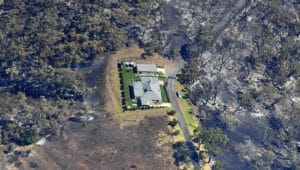
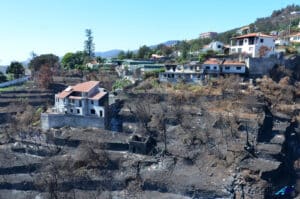
The EU is more and more exposed to the consequences of climate change, continued environmental degradation and the risk of further pandemics. Europe is the continent that is heating the fastest. It has experienced devastating natural disasters, from floods to droughts and forest fires, coastal erosion, heat and cold waves and storms.
If not addressed by improving the structural capacity of our societies to manage risks, the human, economic and social costs of climate change will only increase in the years to come. Climate, environment and security are strongly interlinked.
Why the EU needs to respond
Over time, the EU has developed and reinforced its multiple tools to build structural resilience to tackle some types of risks and to respond to crises in a number of sectors. However, experience has highlighted shortcomings in its preparedness framework.
First, the EU crisis management is mostly reactive, rather than pro-active. This is also due to an insufficient use of strategic foresight, anticipation, and early-warning tools. An integrated assessment of risks, threats and of their cascading effects, including from outside the Union, is missing.
Second, the EU crisis management toolbox is fragmented across different institutions, services and agencies, and suffers from sectoral and cross-border coordination gaps. There is a deficit in civil-military coordination, and the connection between internal and external EU action needs to be strengthened.
Third, existing structures and mechanisms at EU level have limits of scale and resources. Crisis response is driven by a limited whole-of-society engagement, including with the private sector. There is a lack of flexibility in Union funding mechanisms and insufficient strategic alignment of national budgets.
What is proposed?
The key objectives of this strategy include: Protecting Europe’s Essential Societal Functions; Promoting Population Preparedness; Enhancing Crisis Response Coordination; Strengthening Civil-Military Cooperation; Bolstering Foresight and Anticipation Capabilities; Increasing Public-Private Cooperation; Enhancing Cooperation with External Partners.
Under objective “Promoting Population Preparedness”, which mirrors one of Safe Communities Portugal (SCP’s) objectives, there are two action plans: the first being to “encourage the public to adopt practical measures”, such as maintaining essential supplies for a minimum of 72 hours in emergencies. This made headlines in the media in Portugal and elsewhere but, in my view, is not as radical as it seems. Already in response to rural fires and other disasters, having an emergency kit is one of the key preparatory steps families should take, especially those living in high risk rural areas.
Inculcating a sense of civil protection in the young
The other proposed action is to integrate preparedness lessons into school curricula and introduce an EU Preparedness Day. As we know, Portugal already has an annual Civil Protection Day (now extended to a month of activities) as well as the “A Terra Treme” earthquake awareness exercise.
The integration proposal makes sense as it is essential to inculcate climate change awareness and its impacts in all ages, especially the young. In order to take away the fear of extreme events/situations, accidents and similar sudden, unexpected threats, and to strengthen the will and ability to provide help, SCP feels we should anchor civil protection and the right behavior in crisis situations directly and indirectly in people’s minds from an early age.
The strategy states that “the EU will focus its efforts on enhancing population preparedness working with Member States, with a particular emphasis on fostering a culture of resilience at national and local level. This includes improving public awareness of risks through targeted information campaigns, educational programs, and accessible online resources.
“Efforts will also concentrate on empowering citizens to take proactive measures to prepare for crises, such as developing household emergency plans and stockpiling essential supplies. The EU will also support the development of effective public warning and crisis communication systems by Member States to reach all citizens, regardless of their location, language, or circumstances.”
The latter regarding not only crisis communication but awareness and preparedness communication, regardless of language, is vitally important and is something that Safe Communities has worked closely with the government over the last few years.
Finally
SCP fully agrees with Carol A. Wilcox in her article in “Our Portugal Journey”, dated March 29, that “from a global perspective, we’re all living in uncertain times. With the added threat of abandonment of support (on many levels) from the United States to long-standing European allies, I applaud the European Union for being proactive – not just for natural disasters such as earthquakes, floods, and fires, but also from a cyber and military defence standpoint.
“It’s not that these threats are new, but the stakes are much higher now and it’s time for Europe to step up by becoming more vigilant, prepared, and aware. It’s also now up to the European population to pay attention and take heed.”