Turns taps off on 99.9% of green space irrigation
Faro borough council has suspended the use of water from the public network for watering public green spaces, drinking fountains/ ornamental fountains and showers in bathing areas to cope with the ongoing lack of water in the Algarve, the municipality has announced.
The measures, aimed at “greater savings and rationalisation of water reserves”, are part of the resolution approved by the Council of Ministers in February “to help maintain water sustainability in the short and medium term”.
Thus, from now onwards, there will be no water from the public network used for irrigating green spaces and public gardens, for ornamental/ drinking fountains and showers in bathing areas. Water renewal in public swimming pools will also be reduced.
The exception to this new regime will be the Alameda João de Deus garden and athletics track grass pitch – both of which are watered using water from a borehole.
At the same time, the frequency of washing streets, pavements, vehicles and municipal equipment will be reduced, “using water from alternative sources for this purpose and whenever available”, reads the council’s note issued today.
To ensure the survival of monumental/ unique trees, a maximum of two monthly drip-drip irrigations will be maintained, the council added.
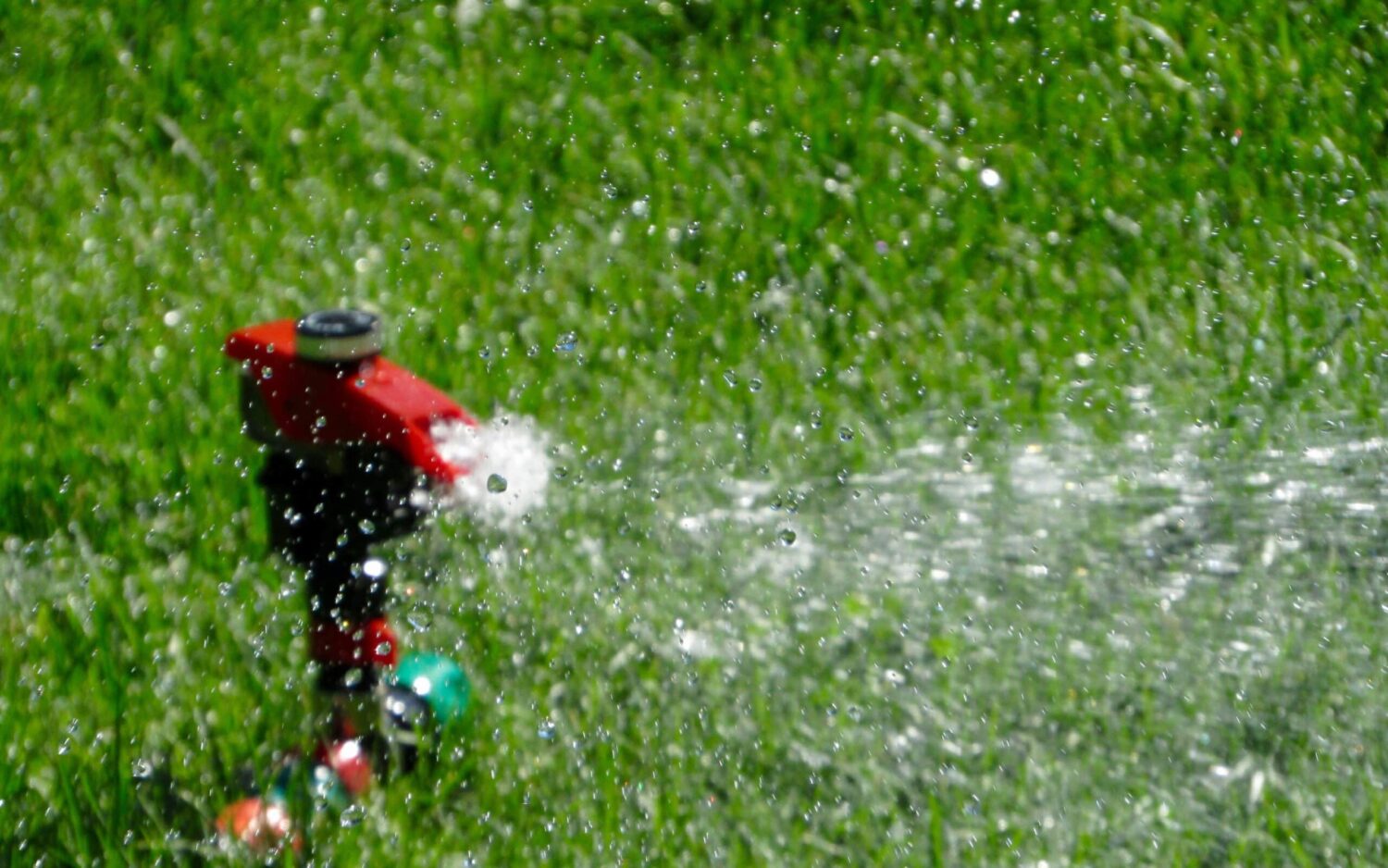
These measures – which involve switching off sprinkler irrigation – will reduce total consumption by 99.9% when it comes to the watering of public green spaces in Faro municipality.
The municipality predicts that consumption will fall from the current 319,343 cubic metres of water per year to an estimated 174 cubic metres per year.
“This reduction will make it possible to maintain drip irrigation with shrubs and herbaceous coverings, particularly in the most significant green spaces, while also making it possible to plant new trees on the lawns to be decommissioned, readjusting the irrigation to drip-drip,” it points out.
The council has also announced that it is implementing water flow reducers in the taps of municipal buildings.
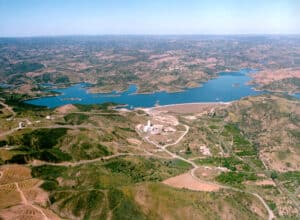
The Algarve has been on heightened alert since February 5 following years of comparative drought – and the government has approved a set of measures to restrict consumption, namely a 15% reduction in the urban sector, including tourism, and a 25% reduction in agriculture.
In addition to these measures, there are others such as the fight against losses in supply networks, the use of treated water for watering green spaces, streets and golf courses and the suspension of the granting of water resource use licences (meaning new licences for boreholes).
The government has already acknowledged that it could end up raising the level of restrictions, declaring a State of Environmental Emergency or Calamity if the measures now in place are insufficient to deal with the region’s water shortage. But in this case, it will be a different government to the one in place today.
Source material: LUSA