‘Lynching’ was not appropriate word; child not Nepalese nor aged 9
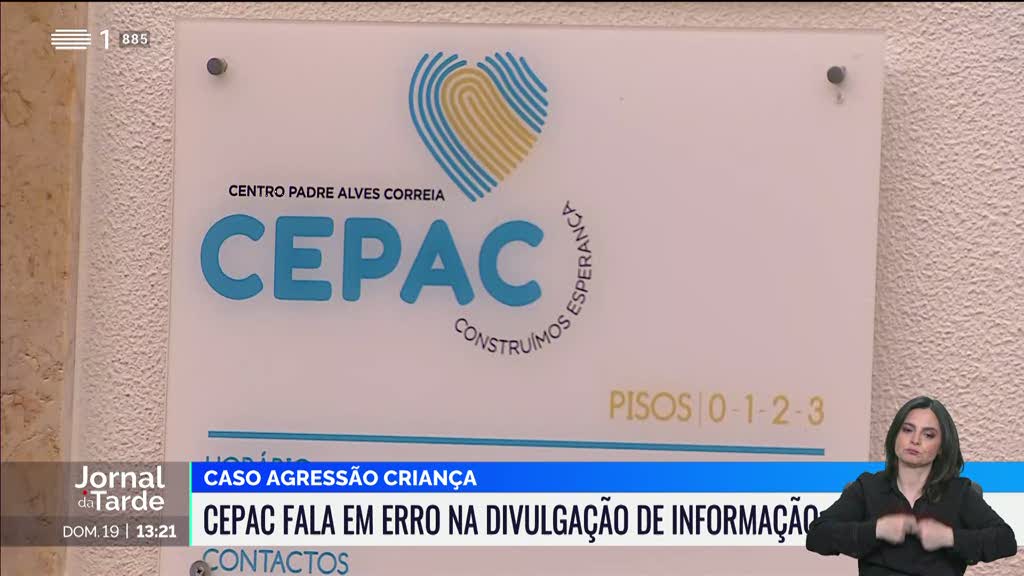
After creating a tsunami of soundbites (and ‘righteous indignation’) early last week, CEPAC – the Father Alves Correia Centre – has admitted that it was ‘a mistake’ to disclose information about the nationality and age of a child allegedly assaulted in a school in Almada, also acknowledging that the use of the ‘term lynching’ was inappropriate.
“We recognise that the term “lynching”, which was used, is not appropriate and arose as a spontaneous manifestation in view of the nature of the aggression, and we assume that it was a mistake to provide information about the nationality and age of the child”, said a statement released over the weekend, in response to ‘fact finding’ by the education ministry coming up empty handed.
Lusa stresses nonetheless that CEPAC “confirms the assault on the child” (who was not nine years old, and not Nepalese), saying that ‘the facts and details’ have been passed on to the Family and Minors Prosecutor’s Office and the Ministry of Education, Science and Innovation (MECI), which will now be responsible for ‘investigating what happened in its own jurisdiction’.
CEPAC’s clarification comes after the Ministry of Education stated that, after gathering new information, “there is no indication” that an attack took place against a Nepalese child in a school in the municipality of Amadora.
The attack was reported on Tuesday by Rádio Renascença with the assertion by CEPAC’s executive director Ana Mansoa that the motivations of the alleged attackers were “xenophobic and racist“.
The trouble with this erroneous information is that it triggered a slew of equally erroneous stories through the media; inflaming the already febrile ‘immigrant debate’, which is showing no sign of calming (see story to come).