Flight of five ‘highly dangerous’ men exposes “serious errors” and “sloppiness”
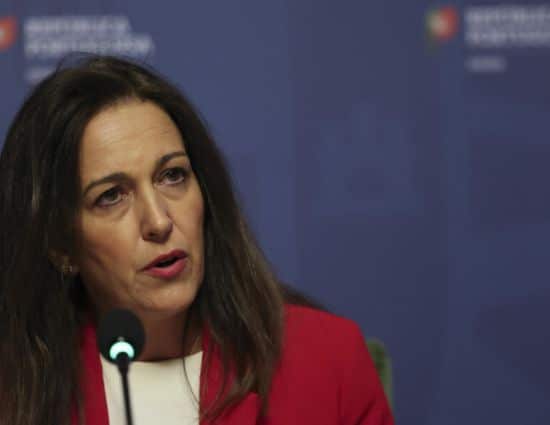
Well over 72-hours since five men, jailed for violent crimes, broke out of Vale de Judeus so-called high-security jail in Alcoentre, Portugal’s Justice Minister faced the press.
On the basis that she had been waiting for the ‘preliminary investigation’ into the most embarrassing mass jail breakout in recent history, she weighed into the fray, describing “successive unacceptable, serious errors and failings” that had essentially helped the inmates on their way to freedom, saying “we want (the failings) to be unrepeatable”.
To this end, she has accepted the resignations of director-general of prison services Rui Abrunhosa, and the deputy director in charge of jails, Pedro Veiga Santos – and installed a provisionary new ‘head of command’ Isabel Leitão (who previously worked as Rui Abrunhosa’s deputy).
Announcing an urgent investigation on the security systems and surveillance procedures in the rest of the country’s 49 prisons, the minister said she wants to “give space” now to other inquiries ongoing – opening the way for disciplinary processes in the future, if need be.
“I have instructed the General Inspectorate of Justice Services to begin an urgent audit of the security systems of all 49 prisons in the country”. The general inspectorate “is committed to delivering the results of this audit by the end of the year”.
Ms Júdice also said she has ordered a second management audit of the prison system to assess the organisation and allocation of resources of the General Directorate for Reintegration and Prison Services (DGRSP) and all the country’s prisons.
“This audit, which will necessarily take longer, will help us to make decisions for a better use of resources and to make the changes that are necessary,” she said.
Rita Alarcão Júdice traced the timeline of last Saturday, giving each step in the ‘chain of command’ – but the upshot was that it took all of two hours before the identity of the escapees had been confirmed, and then more time still for the manhunt to get into gear – quite something for an escape that only required an extendable ladder, a bit of rope and six minutes…
This morning, Correio da Manhã adds further ‘surprising elements’ to the cluster-shambles: It was only yesterday, “more than three days after the five prisoners broke out of Vale de Judeus jail, that the Execution of Penalties Court formalised international arrest warrants”.
To give extra meaning to this statement, CM runs with the headline “Arrest warrants only 80 hours after escape” – stressing that even if any of the five had been identified by authorities outside Portugal, the absence of international arrest warrants, would have meant that they could not have been arrested.
Judge-president of Lisbon’s country court Artur Cordeiro admitted to Correio da Manhã that contacts had been made to the Execution of Penalties Court on Sunday with regard to fast-tracking international arrest warrants so that they could have been ready “first thing on Monday morning”. But such alacrity “was juridically impossible”.
Adding further bathos to this dismal PR disaster is the fact that the central CCTV department in Torel, Lisbon, that “monitors the 49 jails of this country” only works from Monday to Friday, between the hours of 8am and 7pm.
On Saturday, when the news came through of the escape, the room with all the monitors “had to be opened in urgency, to review the route taken by the prisoners”.
Unsurprisingly, few have been impressed with the various timelines, and the ‘absence of word’ from the Minister of Justice until three days after the facts.
Leader writers wasted no time in blasting the effects this jailbreak has had on Portugal’s standing in Europe; MPs since have thrown their criticism into the maelstrom. As PS Socialist Isabel Moreira pointed out, the minister’s reason for not talking earlier was given as her desire not simply to talk for the sake of talking. But she “should have talked, in order to bring tranquility” to a country now aware that people in high places in institutions like ‘high-security’ prisons have little control over what goes on inside them.
natasha.donn@portugalresident.com