The certification further solidifies the Silves wine producer’s dedication to sustainability.
At the intersection of tradition and innovation in Algarve wines, Morgado do Quintão is celebrating its certificationas “the largest organic vineyard in the region”. With this recognition, the producer takes the opportunity to highlight the importance of transitioning to more sustainable practices in wine production.
Dating back to the 17th century, the emblematic Algarve property is proud to share this new significant milestone in the project’s commitment to sustainable production practices for premium terroir wines in the area.
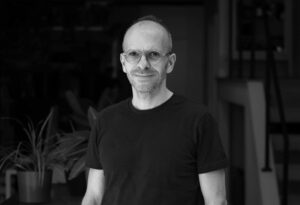
For Morgado do Quintão owner Filipe Caldas de Vasconcellos, this emphasises its commitment to the land and outlook for the region’s future, having progressed from a small family vineyard to a well-established wine project.
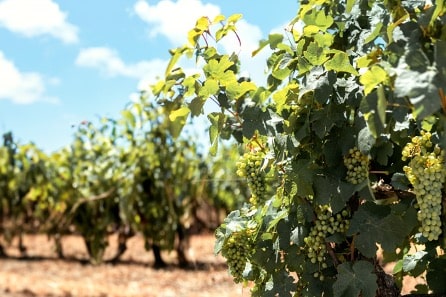
The Silves vineyard has been striving for organic certification since its inaugural harvest in 2016, officially beginning the certification process in 2021. Along this journey, the producer showcased its innovative approach to the region and commitment to protecting its indigenous grape varieties: Negra Mole and Crato Branco.

Caldas de Vasconcellos believes, “This is the best way to uphold our heritage and make a meaningful contribution to the future. We are committed to more than just our vineyards; we focus on promoting sustainable agriculture and raising awareness among all, recognising its essential role in current times.”
All of Morgado do Quintão’s 23 hectares of vineyards have officially been certified, 70% of which is dryland and 15 hectares consisting of old vines (some of the oldest in the region). Among the total vineyard area are ten grape varieties with a historical presence in the region.
The owner states, “We are constantly learning and adapting our practices to create a more sustainable future while considering our long-term goals to maximise our positive impact.
According to Amândio Cruz, who leads the viticulture team, “the practices we implement are customised to the climate and soil of the region, leading to increased resilience, greater biodiversity in the ecosystem and soil, and improved grape quality”. As for the project’s winemaker, Joana Maçanita, she emphasises “the use of top agricultural practices and local grape varieties, along with minimal intervention in winemaking, to produce authentic, distinctive, and refined wines, truly reflecting the Algarve region”.
Morgado do Quintão’s tourism operations also reflect their strong commitment to sustainability. They cultivate vegetables for internal consumption, practice composting, manage water responsibly, and have plans for a future solar energy project.
Currently, the Algarve already represents a vineyard area of around 1400 hectares, half of which is allocated to PGI and DOC quality wines, proving to be an increasingly important wine region in the economy and development of the territory. Given that Morgado do Quintão’s certified vineyard represents no more than 1% of all vineyards in the Algarve, promoting sustainable practices and inspiring other producers to follow suit is crucial.

Morgado do Quintão, a pioneer in preserving the “Negra Mole” grape variety, emphasises the importance of boosting the region and positioning it as a centre for premium wines with unique characteristics. This includes highlighting its oenological heritage, one-of-a-kind terroir, and sustainable farming methods.
“We can create exceptional wines and provide memorable experiences while taking care of the land that sustains us – the Algarve,” concludes Filipe Caldas de Vasconcellos.
All Morgado do Quintão wines will be certified organic starting with the 2024 harvest.