Regional party president cites “eight years of inaction”
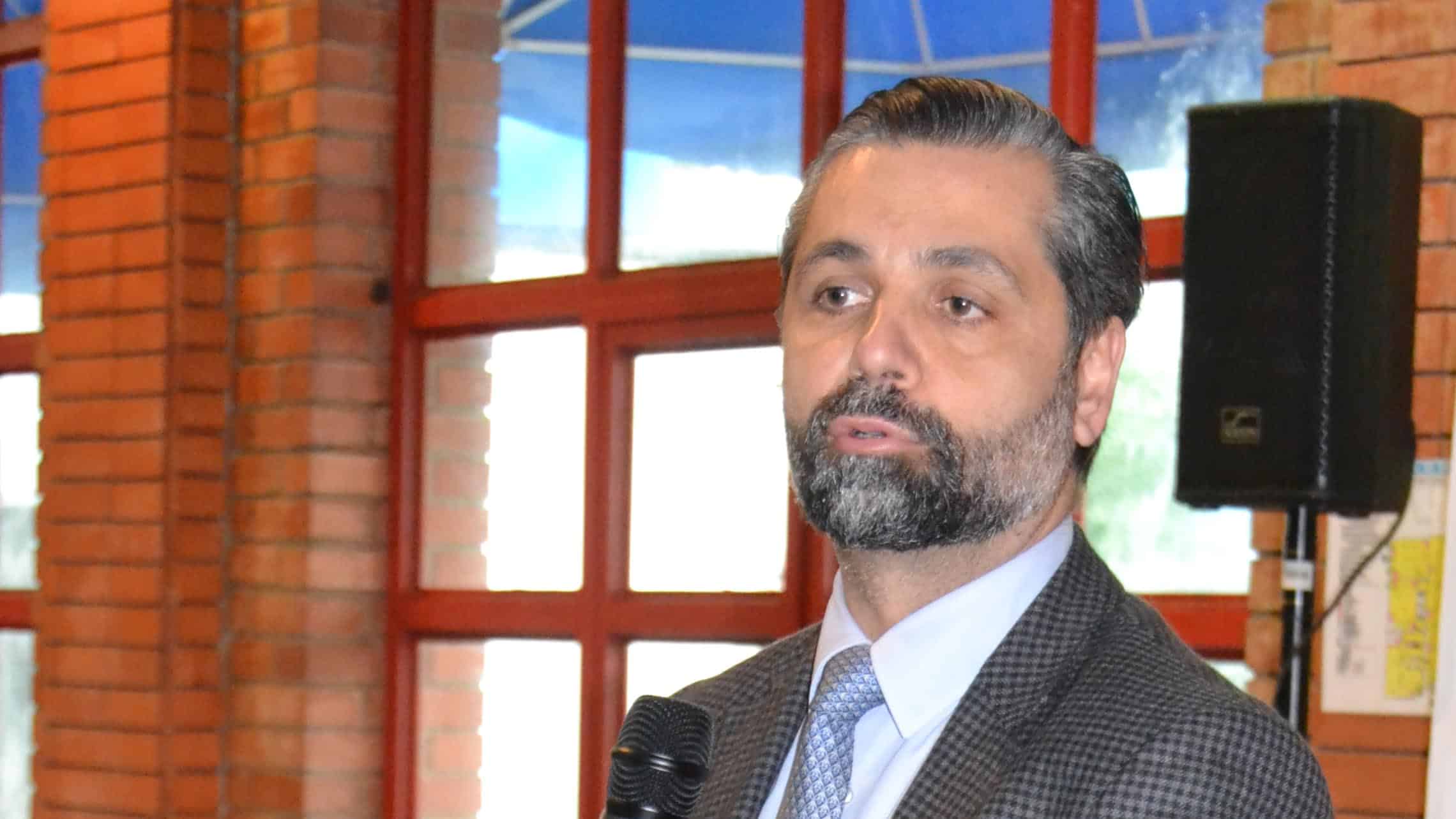
Water cuts planned for the Algarve to deal with the scarcity of reserves are the “devastating result” of the Socialist government’s “inaction”, president of the region’s PSD, Cristóvão Norte, has said today.
In a note sent to Lusa, Norte considers the Algarve will experience a “black day” when water cuts (of 70% for agriculture and 15% for urban consumption) are adopted next month as a way of coping with the region’s ongoing drought.
He argues that an emergency plan and aid needs to be created for farmers.
Yesterday, António Pina, president of Algarve Intermunicipal Community AMAL, announced that water cuts are being prepared by Portuguese Environment Agency APA, and should be introduced in February.
Pina described the level of regional water reserves as “very worrying”, saying the Algarve is “close to a catastrophic situation” if it doesn’t rain enough to replenish dams.
Says Norte: “The Algarve is going to turn off the tap to cope with the drought. Water cuts of 70% in agriculture and 15% in each of the municipalities are planned. The Algarve’s dams currently have enough water to last another six or eight months”.
In his mindset, the cuts are the “devastating result of the PS government’s inaction over eight years” – a period in which the drought steadily worsened yet no new dams or retention basins were constructed; no progress was made with the River Guadiana transfer from Pomarão; nothing was done to staunch the “brutal losses (of water) within the system”.
“In eight years, very little has been done – and those who will pay for this are the economic activities and the people. The price is going to be very high”.
What should be happening, says Norte, is that farmers should be compensated for watching their crops dry up, for being left without the capacity and means to produce.
“Trees and crops will die, farms will go bankrupt, and jobs will be lost. It is a desperate situation. An emergency plan is vital to save the activities affected,” he said.
Norte is one of the many voices in recent years that have advocated “a regional development plan that balances water needs and availability“; the need for “an economic profile in the region that is suited to its water availability” and for ‘sensitising’ economic activities, and the population, to the need to save water.
This approach has fallen on deaf ears. The need for it now has now become “imperative”, he says.
Announcing the cuts on the way, AMAL’s president warned yesterday that if the region does not “increase regional reserves”, water currently in the various dams will only last until the end of August. Applying cuts envisaged to agriculture and domestic supplies will allow the region to have water, he said, until the end of the year.
APA vice-president José Pimenta Machado admitted the contingency plan will penalise agriculture: “This year, in the Algarve, we’re going through the worst drought ever. We’ve never been in this situation, with the lowest ever levels of reservoir reserves and the same thing in groundwater,” a “consequence of ten years of continuous drought,” Pimenta Machado told Lusa.
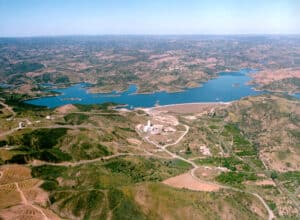
“The priority use is human use, and agriculture will have a bigger cut,” he said, at a time when the six reservoirs in the Algarve are at 25% of their capacity and 20 percentage points lower than in the same period last year – with a total of 90 cubic hectometres less water.
Source material: LUSA