Orlando Figueira’s procrastination over 2018 prison sentence takes dramatic turn
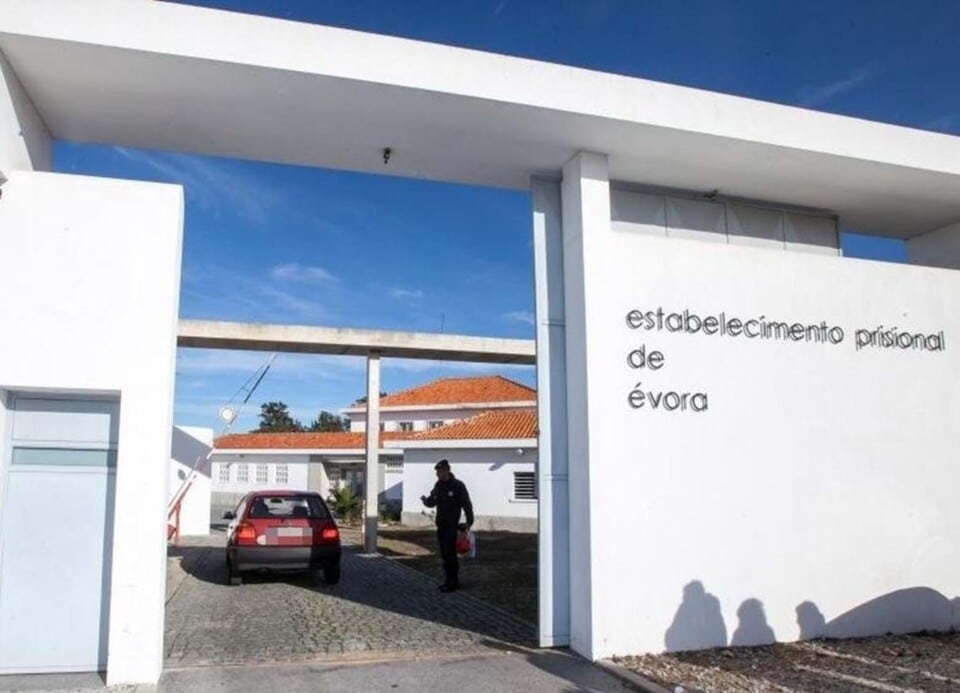
PJ police today arrested former magistrate Orland Figueira and delivered him to Évora prison to complete the six year eight month jail term passed down in 2018.
That the situation has perpetuated this long is testament to the way in which condemnations can be spun out with appeals and counter appeals as has happened in so many other ‘high profile cases’ in Portugal.
But this one is still far from over.
According to reports, Orlando Figueira’s defence team believe today’s arrest and frog marching to jail was ‘illegal’ – in that Mr Figueira was not given 24-hours to ‘present himself voluntarily’.
A request for Habeas Corpus is now going to be filed (in order to free Mr Figueira so that he himself is free to … go to jail).
According to reports, the defence “informed” authorities that Mr Figueira was ready to enter Évora prison on Monday. That didn’t happen, hence this morning’s actions by the PJ.
But reports cite Mr Figueira’s defence lawyer Carla Marinho saying her client was actually on his way to Évora this morning, when he was arrested…
“When Dr Orlando Figueira left his home today, in the company of his lawyer, to go to the Évora prison establishment, he was questioned and detained by PJ police. Dr Orlando Figueira has always said that he would come forward voluntarily – and he tried to do so again, but was not allowed to”, she said.
As PJ police maintain in a statement, Orlando Figueira’s ‘guilt’ was proved in court six years ago when judges ruled he received more than €760,000 euros from the former vice-president of Angola, Manuel Vicente, in exchange for ‘benefits’ in the various criminal cases facing Mr Vicente at the time.
Charges proved involved corruption, money laundering, breach of judicial secrecy and document forgery.
What has always been a tad perplexing in this case is that Orlando Figueira ended up receiving a prison sentence longer than the one sought by public prosecutors. The former magistrate described himself as “stupified” when he was condemned for such a long period of time – and set out to try and get the sentence reduced.
Évora prison is not a regular prison: it is one reserved for people (almost always men) who have worked in the country’s security forces, or in local or central government, and “require special protection”. It is described as a ‘high security’ prison, with capacity for 35 prisoners.
natasha.donn@portugalresident.com