Most of the algae is exported
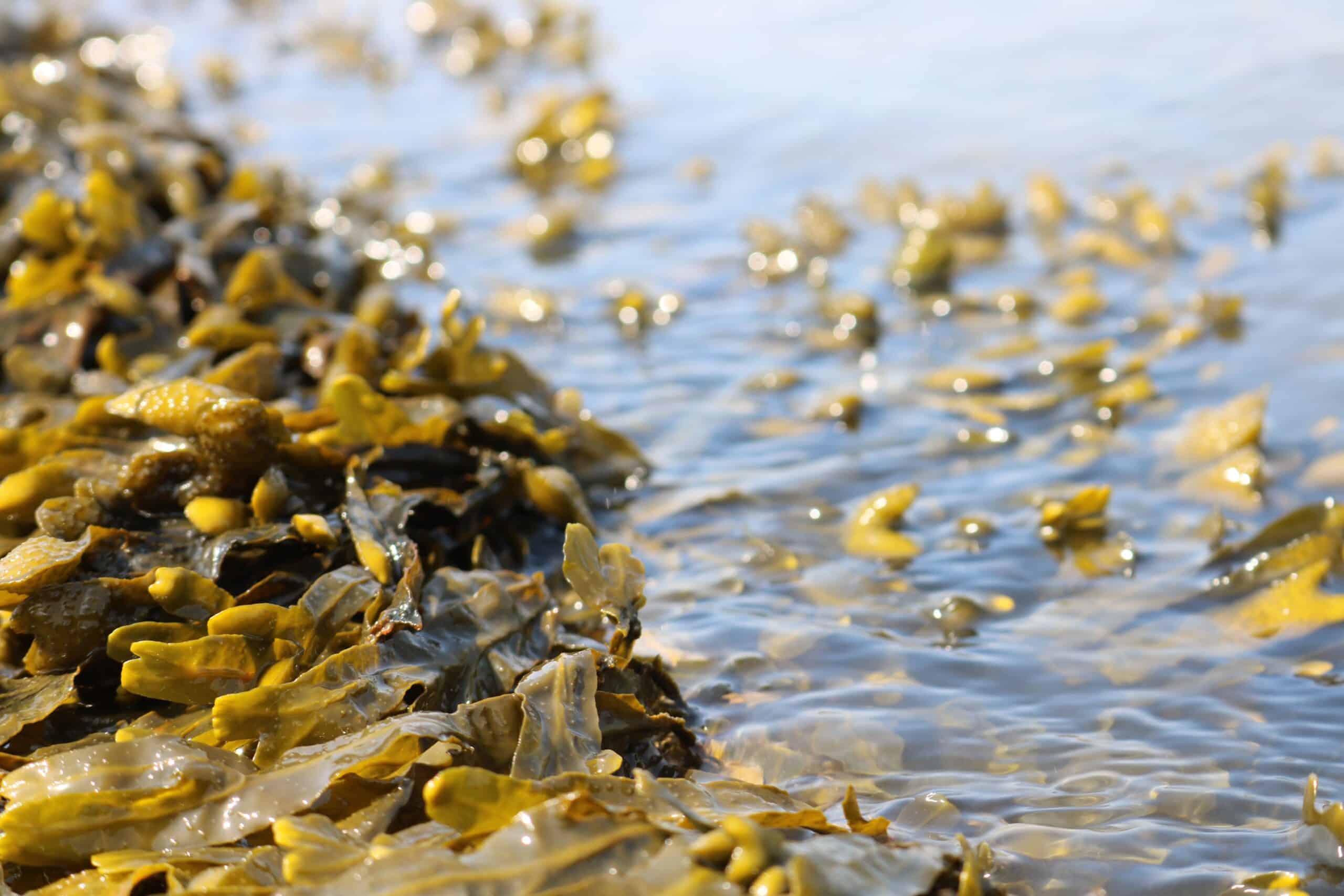
Portugal’s algae industry is making waves, with almost 50 companies producing between two and 100 tonnes of algae annually, most of it going straight to international markets.
The PROALGA association, which represents the industry, is reporting significant growth, with 47 companies across the country – 21 working with macroalgae and 26 focused on microalgae.
According to the association, more than 90% of this production is exported, with Portugal sending its algae to countries across Europe like Spain, France, Germany, the Netherlands, the UK, and even further to Asia.
The exported seaweed is put to use in several different ways, with some opting to use it for food or supplements while others apply it to cosmetics, animal feed, agriculture and blue biotechnology, which involves using marine resources to develop products and technologies across various industries.
In Portugal, the use of algae is less common, the association reports. There’s a lack of awareness about algae as a food source, it says, and incentives to add it to the food chain in Portugal are limited.
Nonetheless, the industry is growing fast. In 2023, the sector generated €9.2 million in revenue, with a steady increase in production since 2017 when large-scale seaweed farming began in Portugal.
“The trend points to significant expansion in the coming years, leveraged by investment in innovation, sustainability and biotechnology,” the association says.
Key players in the industry include names like Allmicroalgae from Pataias, Necton from Olhão, and ALGAplus from Ílhavo. There are also smaller, artisanal producers, particularly in the production of spirulina, like Tomar Natural, Spirulina da Terra, and Spiralgae from the Azores.