Reducing abstention is one of the goals for this EU election
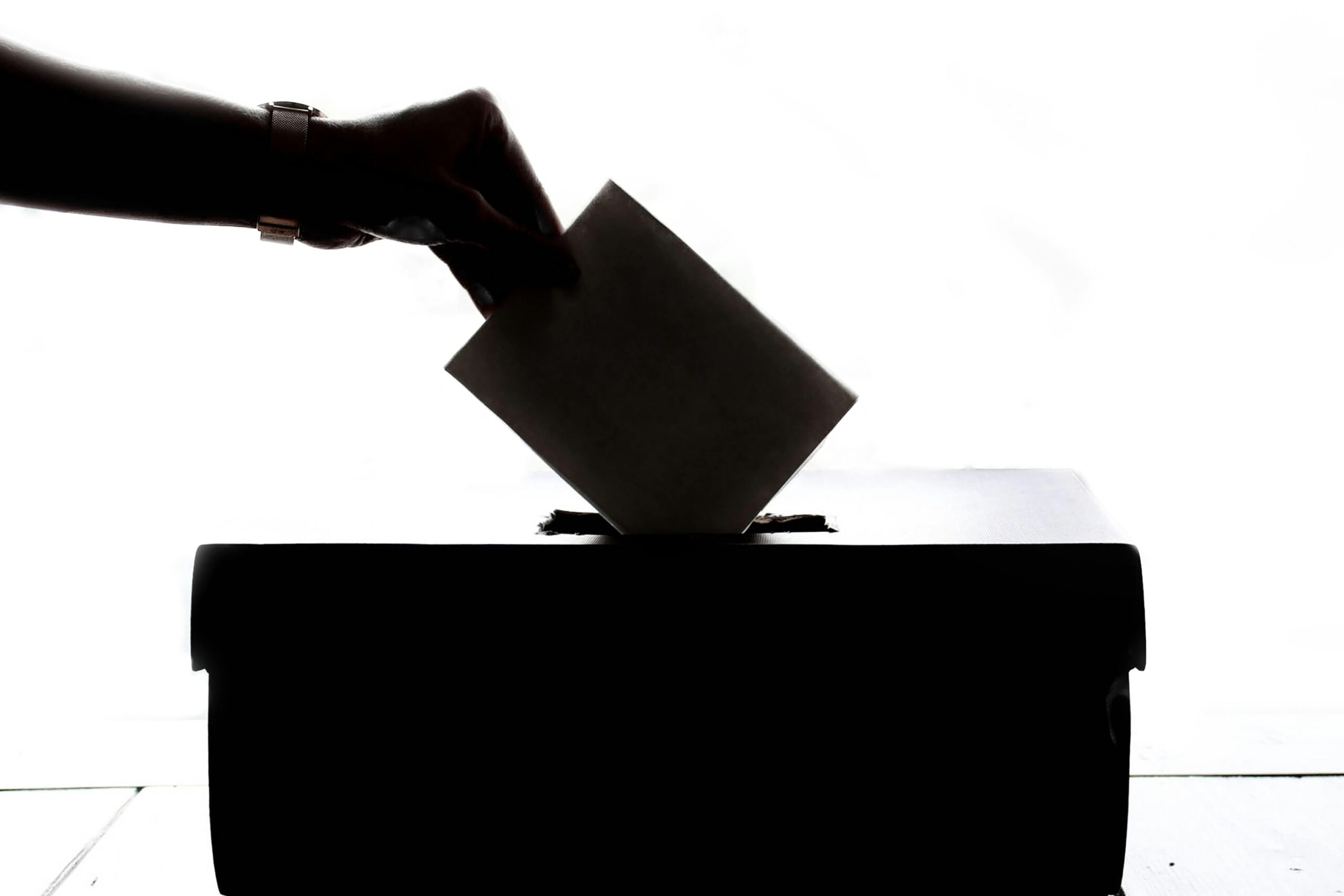
Over 252,000 Portuguese citizens signed up to vote early on Sunday (June 2) in the European elections, a number that was praised by Portugal’s President of the Republic.
“This early vote is a very good response from the Portuguese,” said Marcelo Rebelo de Sousa on Sunday after casting his vote early in Celorico de Basto, Braga. “The number has increased by 20%, let’s see if they turn up, but it’s a good day all over the country, even in the autonomous regions, which means there’s no reason not to turn up. This makes life easier for many Portuguese”.
Speaking to journalists outside the town’s school centre, he explained that he decided to vote early because he will have to attend Portugal’s June 10 national holiday celebrations.
“In my case, as I have to be there on June 10 (…), it would have been impossible for me to come down here to vote,” he said. “It’s a great advantage against abstention,” he continued, recalling that recently, in the legislative elections, abstention dropped significantly.
“We’re all very excited, because in the parliamentary elections, abstention fell dramatically, which nobody expected, largely due to young people. But in general, there was a percentage that hasn’t been seen in democracy for decades,” he told journalists.
Marcelo Rebelo de Sousa said he hoped that “in a week’s time (the day of the European Parliament elections) it will be possible to lower the abstention rate compared to 2019,” which was nearly 70%.
He added that if there is “anything that creates stimuli and incentives for people to vote, early voting is one of them”.
Portugal’s defence minister Nuno Melo also praised “the large turnout” for early voting, adding that it “bodes well” for the attempt to lower the abstention rate in European elections.
Speaking to journalists after casting his vote at the Rosa Mota Pavilion, he said that “people are now more interested in the European project”.
Nuno Melo also celebrated the increasing number of young people turning up to vote.
“In other European elections, with high abstention rates, young people tended to be the most abstentionist and, according to more recent studies, that trend is reversing,” said the minister. “Young people are interested in voting and participating, which leads me to believe that the abstention rate will be lower than initially feared”.