Charges brought in just three…
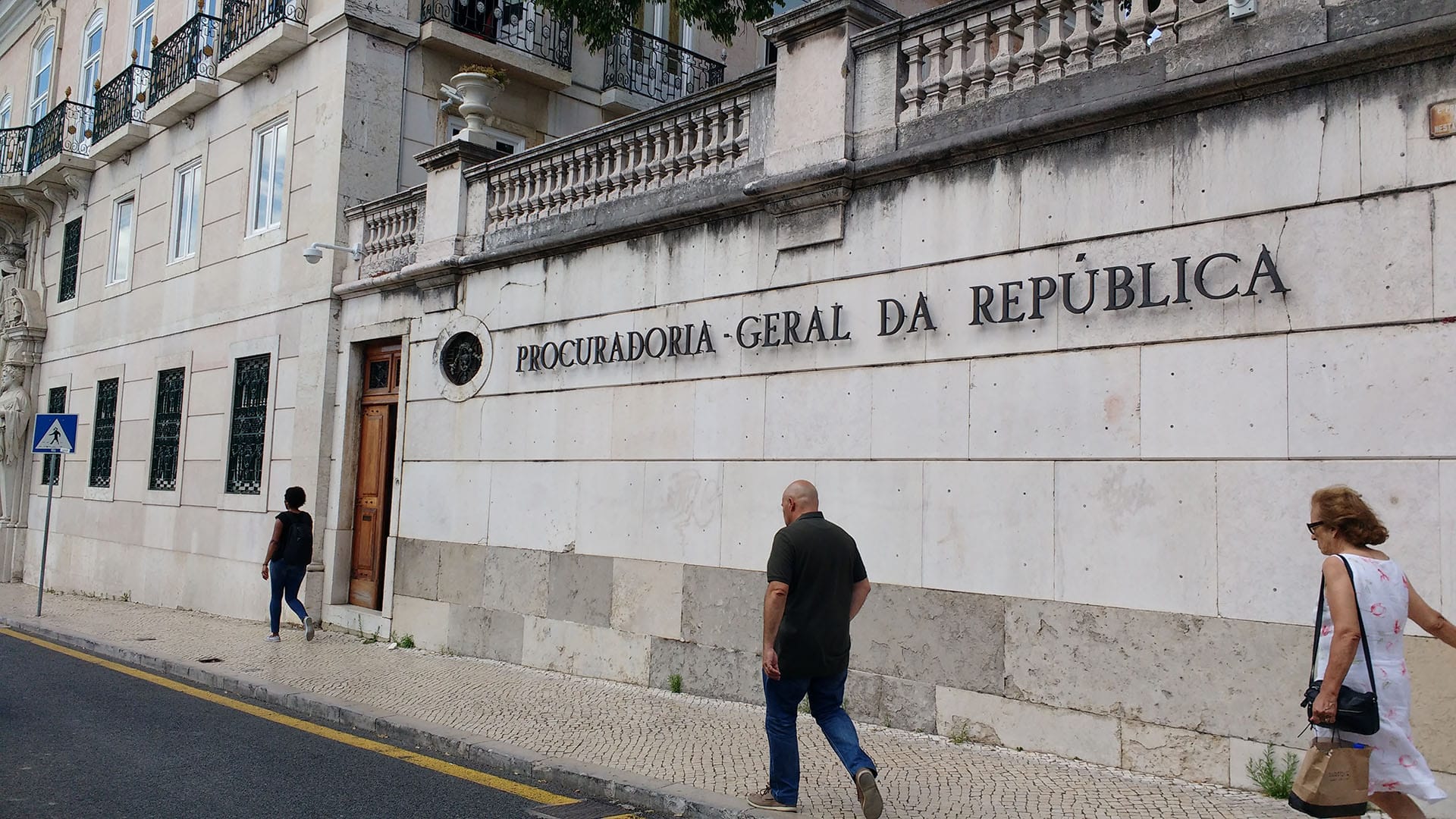
The Portuguese public prosecutor’s office opened 103 investigations into hate crimes in the first six months of this year, with only three investigations in which charges were brought, according to data from the attorney general’s office (PGR).
According to the data sent to the Lusa and based on the Citius procedural management computer platform, the PGR opened 103 hate crime investigations between January and June, 2024.
Going back in time, in the whole of 2023, the PGR opened 262 investigations, seven more than in 2022.
Since 2019, a total of 968 hate crime investigations have been opened.
Regarding the number of investigations opened, the PGR clarifies that they include “enquiries into offences recorded in attempted form and not just those actually committed”.
It also points out that, as of 2022, “the computerised system has made it possible to extend the collection of statistical information to a greater number of realities related to this phenomenon, so the data is not directly comparable with that of previous years”.
With regard to investigations in which charges have been brought, the PGR says that in the first six months of 2024 there were … three. A figure that doesn’t differ much from the real situation in previous years, since in the whole of 2023 there were five and in 2022 there were also three.
According to the same figures, since 2020 there have been 17 indictments.
The PGR doesn’t say, however, if any of the three charges this year are the result of an investigation opened in 2024 or if they refer to a case carried over from previous years.
With regard to archived investigations, there were 131 in the first half of the year, but the PGR doesn’t give any explanation for this figure. In the 12 months of 2023, 214 investigations were closed, a 10% increase on the 194 investigations closed in 2022.
The PGR emphasises that, as there are cases that carry over from one year to the next, charges or dismissals are not only related to investigations opened in the year in question.
“The other decisions that can influence the counting of cases have to do, among other things, with the decisions of provisional suspension of proceedings, which determine that the cases in which it has been applied are listed as ‘inquiries under investigation’ and that they remain so until a judgement of closure or indictment is handed down, at the end of the period set for the suspension,” it adds.
The PGR goes on to say that there are “other reasons that influence pending cases, such as decisions to merge or incorporate investigations”, giving as an example a situation in which “10 separate investigations have been opened and those same cases become just one (due to the incorporations)”, which in the end would only be counted as one investigation closed, or charged.
The Commission for Equality and Against Racial Discrimination (CICDR), whose mission is to prevent, prohibit and penalise discriminatory practices – particularly on the grounds of racial origin – is one of the bodies that can send cases to the public prosecutor’s office when it believes there is a criminal matter, but this body has not been functioning for almost a year.
LUSA