Around 50 doctors “want to work”, but cannot pass specific language tests
About 50 Ukrainian doctors, mainly women, who fled the war seeking refuge in Portugal, have been unable to practice, in spite of wishing passionately to continue in their chosen profession.
The reason is their ‘lack of fluent Portuguese’. It has nothing to do with their expertise.
Carlos Cortes, president of the Portuguese Order of Physicians, admits: “Portugal opened its arms to Ukrainian refugee doctors, but didn’t give them the tools” they needed to work in their professional speciality.
When doctors arrived in 2022, he explains, the Order was ‘willing to postpone the communication test in Portuguese, facilitating their integration into the health service under the status of “doctor without autonomy” and supervised by a tutor’ – but its proposal presented to the government did not materialise.
The Order has appealed to the Ministry of Health to do more – for all foreign doctors living in Portugal who would like to work but are being held back by lack of knowledge in the language – and it is still waiting…
“At a stroke, the SNS (state health service, chronically short of medical specialists) could have at least 50 more doctors,” Cortes tells Lusa.
Support programmes should be established for these professionals to learn Portuguese, particularly because of the shortages assailing SNS services.
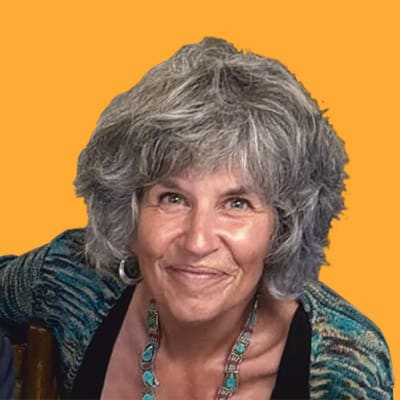
Oksana Chupryna, 50, a neurologist and occupational pathologist, chose Portugal to live when Russia invadaded the city in which she lived in March 2022.
Since then, she has embraced the challenge of learning Portuguese to prepare for the Portuguese exam, which is necessary for her medical degree to be recognised. This exam is then followed by the Order of Physician’s own communication exam.
She took this latter exam about a year ago, as did a number of other Ukrainian doctors – but didn’t pass because, she says, it was “very demanding” even though she and her colleagues had “a very high level of knowledge of Portuguese (…) Only six or seven passed”, she told Lusa.
While Oksana prepares to retake the exam in January, she is working in a shop in Portalegre, where she lives. She has received support from the local council and the local hospital director, who is counting on her passing the Order’s communication exam so that she can join the hospital.
Oksana tells Lusa that her focus on learning Portuguese has caused her to lose her ability to speak fluent English – which has prevented her from accepting other job opportunities.
To stay up-to-date in her medical knowledge, Oksana attends conferences and lectures online, but confesses that she feels she is “losing time”.
She also fears she is losing knowledge and practice, lamenting all the stumbling blocks that have been put in place.
Oksana explains that in Poland and Germany, for example, colleagues who chose those countries to flee to immediately started working as general practitioners in emergency rooms.
Speaking to Lusa in Portuguese, she too has called on the government to create “special programmes” for refugees – just as they have for immigrants.
Carlos Cortes meantime highlights the financial difficulties these qualified professionals face – particularly those who arrived in Portugal with children. “We want to enrol these doctors”, he stressed, “because the information we have is that the quality of medical training in Ukraine is good. There are no restrictions on that…” It is simply that the restrictions have come in language tests, particularly the one set by the Order itself.
Source material: LUSA