Summer has never been ‘a good time’ for Portugal’s SNS state health service: it is traditionally the moment when doctors, surgeons, specialists go on holidays and when millions of visitors arrive from all over the world. But, in recent years, the system has started to buckle – and this year, everything points to it having ‘never been as bad as this’.
The ‘crisis’ in obstetric care that has dogged the system since the pandemic has reached ‘epidemic proportions’: with increasing numbers of women giving birth in ambulances; three recently have endured miscarriages/ stillbirths after ostensibly being given ‘the run around’ by authorities.
Official word is that ‘everything was done appropriately’: but in the case of a woman carrying a full-term baby through days of intense pain being seen by five separate hospitals before an emergency cesarean that ended with the infant’s death, it is difficult to see what could possibly have been appropriate.
In this particular case, the woman is considering taking further action.
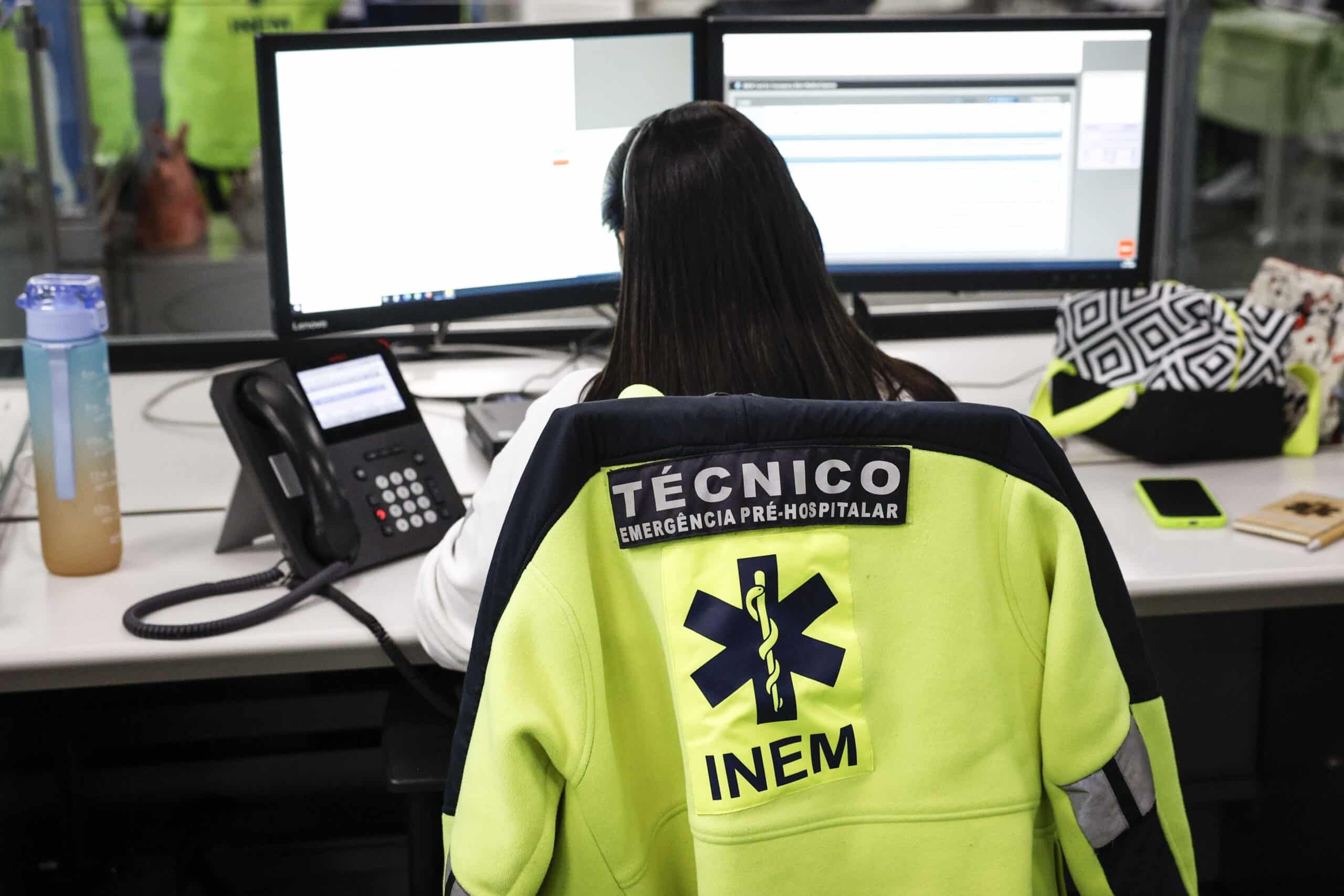
But obstetric care is ‘just part’ of the dismal picture. The real drama as the country faces this summer is in emergency medical helicopter transport, operated by INEM – the state entity for emergency medicine.
Someone at INEM thought it was appropriate to open a tender for helicopter cover and award this responsibility to a company that neither possessed helicopters in this country, nor had any available pilots.
The result is that Gulf Med Aviation Services, based in Malta, is playing ‘catch up’ – and aims to be ‘job ready by September’, writes Expresso – while the Air Force is standing in temporarily, with only one helicopter able to fly at night to cover the entire country – and not the kind of nimble craft that INEM needs for emergency recovery situations. Indeed, it is so unwieldy that it cannot land on many hospital helipads, not to mention areas where access is difficult.
If the system was simply in place to transport eggs, this would be tiresome. But we are talking about transporting desperately ill people who need prompt medical attention or could suffer serious consequences (if not death).
How could anyone imagine that this arrangement during the summer – when so many additional people are in the country – could work?
This is what PS secretary general José Luís Carneiro wants to know. This mild-mannered ‘replacement’ for the previous Socialist leader who was never backward in coming forwards has issued a challenge to the prime minister, as it is patently clear that no-one else is prepared to take responsibility for this shambles: health minister Ana Paula Martins – whose resignation has been called for from multiple corners for months – blames INEM, while INEM blames the government… José Luís Carneiro cuts to the chase: “where are the helicopters needed for hospital emergencies?”
In the words of RTP, Carneiro “sees that what is most important is to understand if Luís Montenegro has spoken to the health minister, to find out, finally, what is needed for things to start working”.
José Luís Carneiro made his appeal to the prime minister at the weekend. On Tuesday morning, he still hadn’t received an answer.
The PS leader also asked ”whether the government has an emergency plan for the management of hospital emergencies for the Lisbon Metropolitan Area, for Lisbon and Vale do Tejo” (the region most buffeted by A&E rotations as departments close for days on end), and why the Setúbal peninsula has so far had days and weeks without a decent response from the point of view of the response “particularly to pediatrics, orthopedics and also obstetrics”.
The Lisbon Metropolitan Area and Setúbal peninsula are two of the most heavily populated regions of the country – hence, possibly, the reason that health service failings have shown themselves up so alarmingly.
As José Luís Carneiro made his direct appeal to the prime minister, radio stations were hosting phone-ins on the crises affecting the SNS – every bit as much of an institution for nationals as the NHS is in the United Kingdom. Phones were ringing off the hook.
To be fair, everyone has a ‘story’ about the SNS health service – and few of them are very positive. The Algarve is particularly ‘badly served’, with a systemic shortage of doctors, and perennial horror stories. Not long ago when a young medical intern spoke out against the standards at her teaching hospital, her whistleblowing was supported by a Portuguese specialist living in London who admitted to ‘praying that he never became ill’ when on holiday in the Algarve as he was aware just how bad the hospital A&E services were.
For a country that prides itself on tourism; a country that proclaims endless World Tourism Awards, this disconnect when it comes to health seems inexplicable.
Certainly, pressure is unlikely to let up: on Tuesday, presidential candidate António José Seguro (a former leader of the PS Socialist Party) joined the fray baying for action and improvements. Seguro has refrained from giving his opinion on the future of the health minister. He is more concerned with saving the SNS health system.
He told reporters that a pact is needed, involving all parties as well as the president of the Republic “to save the SNS”, and save this summer, which he hopes will not be “worse than the last”.
The constant closing of A&E departments (due to lack of professionals available) is “unacceptable”, said Seguro, as are the long waiting lists, and all the dramas in between.