With so much to look forward to this year, there are still multiple storm clouds on Portugal’s horizon – not least the spectre of legislative elections ‘just round the corner’, and a political landscape bristling with conflict.
But first to the ‘good news’. The country’s movers and shakers were full of it as 2017 loaded its bags by the door – though the awfulness of last summer’s fires put something of a dampener on festive summings-up.
“Unforgettable” for both the good reasons and the bad was the choice of parliamentary leader Ferro Rodrigues, while President Marcelo put 2017 into its best perspective: “a year of success” with “certain fragilities that came to the fore”.
Successes were as great as failures were devastating. While over 110 countrymen, women and children perished in poorly-managed wildfires that destroyed hundreds of homes and businesses, the country itself emerged from the economic doldrums with a return to investment grade ratings, the glory of Eurogroup leadership, exploding tourist numbers and resounding Socialist gains in October’s municipal elections.
Considering critics were hedging bets when the ‘gizmo government’ snatched power from the jaws of defeat two years ago, the unholy alliance of left-wing parties has won through, reducing its main opponent – the centre-right PSD – to a party without a leader and falling ratings.
January 13 will see the former mayor of Porto Rui Rio and one-time PSD prime minister Pedro Santana Lopes face-off for the PSD leadership but neither have the charisma that has won Portugal’s current (PS) premier the label of “one of the most influential figures in Europe today”.
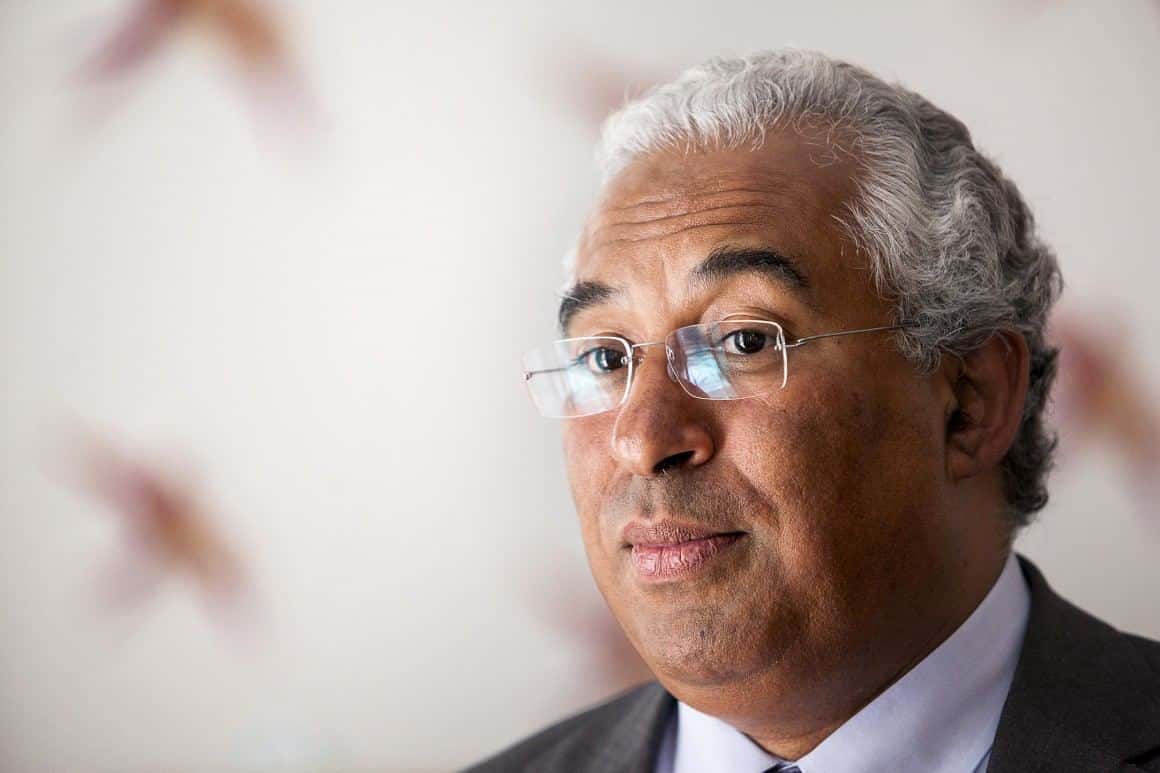
António Costa, described as a “tough political streetfighter behind a ready campaign smile”, has been placed ninth on a list of 28 European personalities “set to change their countries and Europe in 2018”.
Politico website acknowledged that the presidency of the Eurogroup, ‘won’ by finance minister Mário Centeno, just added further sparkle to Portugal’s promising future – though not without a price.
Centeno faces dealing with what Lusa news agency calls the “imminent deepening of European integration” likely to involve “reform of the economic and monetary union, banking union, a European Monetary Fund, and even common security and defence policies”.
These are all issues over which the government’s allies (especially Bloco de Esquerda, PCP communists and the “Greens”) wholeheartedly disagree, the state news agency explains, while the New Year will also see grassroots movements representing wildfire victims baying for justice, the environmental lobby damned if it will countenance capitulation to oil companies, unions of all persuasions determined to fight their own particular corners, and the debate about the folly of privatising the Post Office (CTT) intensifying.
At the same time, Portugal will be challenging the world on the football pitches of Russia (first game for the national team scheduled for June 15 in Soochi, against Spain), hosting its first Eurovision Song Contest (in May) and (finally) moving forwards in some hugely controversial corruption cases: Operação Marquês (involving former Socialist prime minister José Sócrates), BES (centering on the chaotic collapse of the country’s largest private bank) and Fizz, involving a former Angolan vice-president who categorically refuses to show up for the trial or answer any questions.
If 2017 was unforgettable, 2018 promises to be unrelenting.
2018 heralds increase in national minimum wage … and lots of price rises
On the prices front, it’s pretty up, up and away – with very little ‘going down’. 2018 has arrived with a new raft of price increases: fuel is up, bread is 20% more expensive, staples like eggs and milk are increasing, motorway tolls too (more than a third by 5 cents) and habitual ‘no-no’s’ of alcohol and tobacco bringing up the rear with a sting in the tail. A packet of cigarettes “could end up being 10 cents more”, says accounting organisation Deloitte.
But on the plus side, pensions are up (from between 1% to 1.8%), the national minimum wage has reached the dizzy heights of €580/month (still practically impossible for anyone trying to live on it), social benefits are up and changes to tax laws and the way civil servants can ‘progress’ in their careers will all see sections of society taking home more money than they have been used to.
Rents, however, will be following the upward trend, increasing by around €9.30 per month in the capital, say reports, where the average rental at €830/month is now much more than the national minimum wage.
Transport costs, too, are increasing (+2%), as well as the cost of travelling by car (due to toll and car tax rises) and so are government taxes on fuel products, which will be reflected at the pumps.
Possibly the only price reductions are for medication, with 7,000 brands becoming cheaper this new year (though we are not told by how much), while the cost of mortgages will remain low and pretty much unchanged, as will rates for telecommunications.
Bottom line: the cost of living is relentlessly increasing though families may have slightly more available cash to try and cope with it.
By NATASHA DONN natasha.donn@algarveresident.com