“One day, we are going to have to put a stop to this,” says Luís Montenegro
As the national railway strike enters its second day with no minimum services in place, Prime Minister Luís Montenegro has labelled the strike as “absolutely unfair”, suggesting that Portugal may need to revise its strike legislation to protect broader public interests.
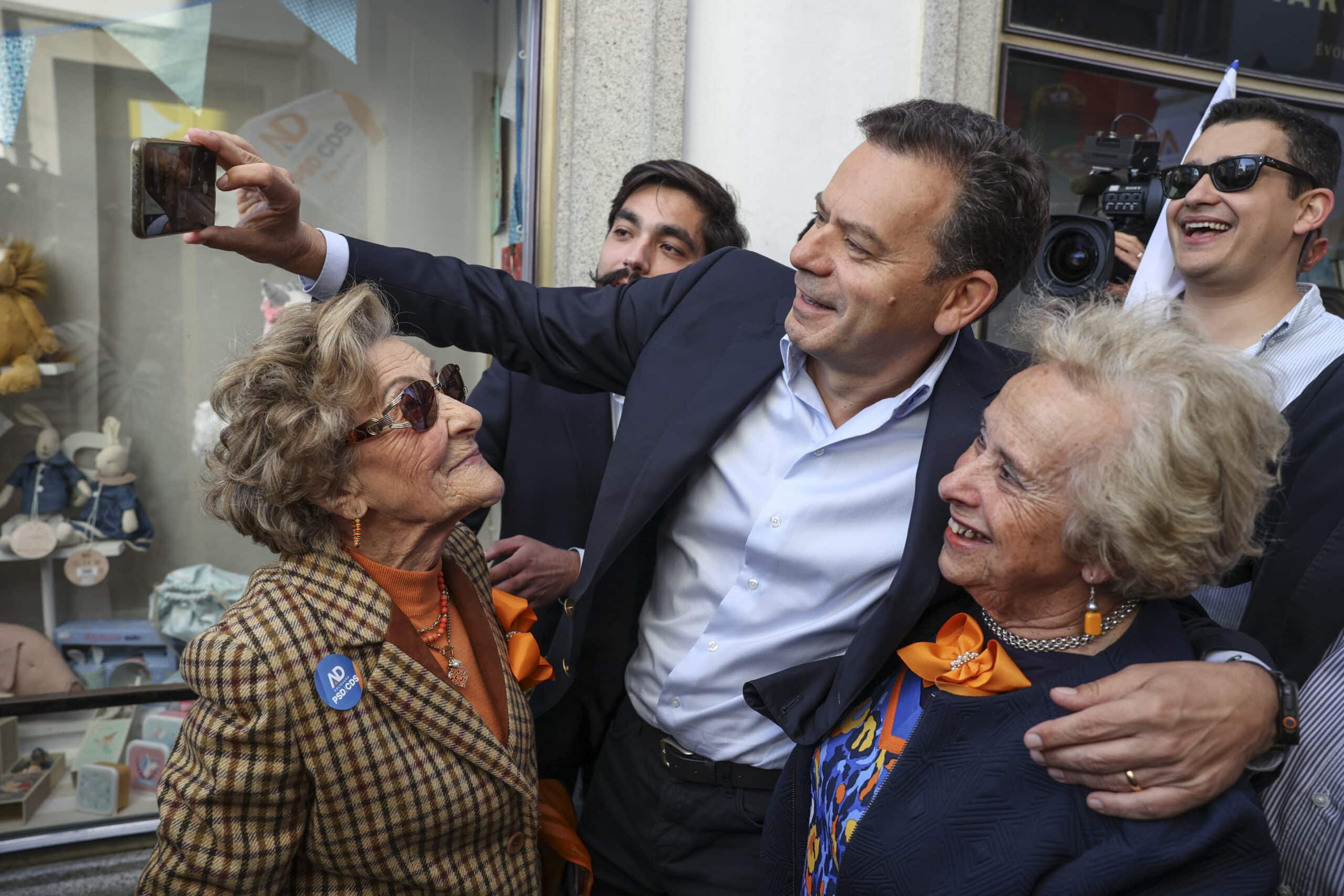
Speaking to journalists during a campaign stop in Figueira da Foz on Friday, Montenegro said the government did “everything to avoid the strike.” However, he accused political and electoral influences of playing a role in the failure to prevent the strike.
“Our conviction – mine and that of the government members involved – is that political and partisan interests ultimately prevented what should have been the normal resolution of a negotiation process,” he said.
Montenegro insisted that as a caretaker government just ten days from elections, it would not yield to pressure tactics.
“This strike is absolutely unfair. Even if there were legitimate labour concerns, the scale of disruption to daily life and the country is vastly disproportionate,” Montenegro said, warning that “one day, we’re going to have to put a stop to this.”
While he guaranteed that he does not intend to end the right to strike, the prime minister argued for a “mechanism” that balances that right with the rights of the general public. “The right to strike cannot be so dominant that it brings the country to a halt,” he stressed. “We need a regime that’s proportional – I think the Portuguese people understand that very well,” Montenegro declared.
The ongoing strike, which has brought train services to a standstill nationwide, has sparked mounting frustration among commuters and officials alike, with reports of at least one man arrested due to outrage over the strike.