Yacht was sailing habitual smugglers’ route: South America to Europe
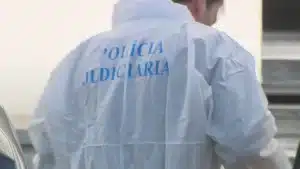
Portugal’s criminal investigation police, the PJ, have announced another drug-busting coup off the coast of the Azores.
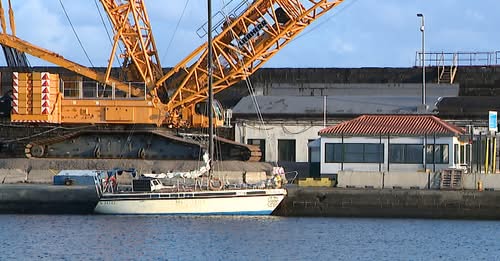
This time, the haul was 1.6 tonnes of cocaine, hidden in a fairly ‘normal sized’ sailboat, crewed by three people who have all been arrested.
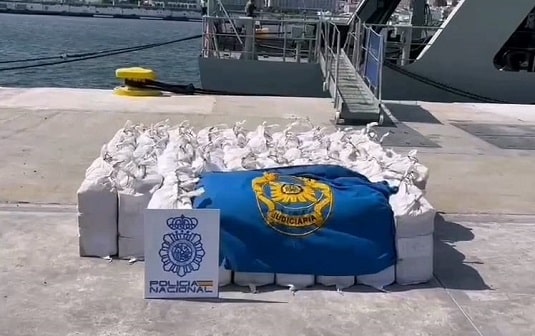
In a statement, the PJ said that the 11-metre vessel “was crossing the Atlantic between South America and Europe” when authorities intercepted it off the western group of islands, and found it to be carrying “about 1,660 kg of cocaine”.
The crew, aged between 43 and 51, are being brought before a court in Ponta Delgada today; a judge will question them and may agree to bail measures.
According to the PJ, Operation Vikings – as this operation was called – resulted from a two-year “complex investigation” aimed at “dismantling an international criminal organisation operating across continents, dedicated to introducing large quantities of cocaine into Europe” and which used Portugal “as a platform” for this purpose.
The authorities transported the three detainees and the drugs to shore on a Navy ship because the sailboat offered “limited safety and seaworthiness.”
Acting in parallel with the vessel’s interception and “in coordination with the PJ,” investigators arrested the alleged leader of the criminal organisation as part of an investigation opened in Spain, dubbed “Aproa.”
The man had €63,000 in cash in his home, “a GPS device, a taser gun, numerous pieces of computer and communications equipment, some of which were encrypted, as well as an unspecified amount of foreign currency”.
In Portugal, the PJ is conducting the investigation, and the Public Prosecutor’s Office in Évora is leading the inquiry.
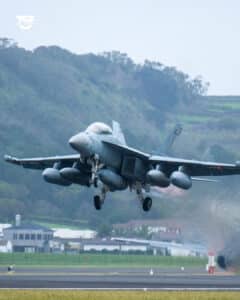
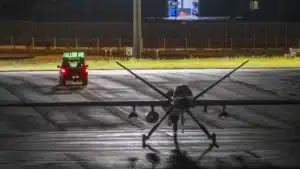
The investigation also involved the Portuguese Air Force, the Maritime Analysis and Operations Centre-Narcotics (a European unit based in Lisbon), the Ponta Delgada Maritime Police and the Ponta Delgada Port Authority.
In addition to Spanish authorities, the US Drug Enforcement Administration, the Danish National Special Crimes Unit and French and Irish authorities also assisted in this investigation.
Source: LUSA