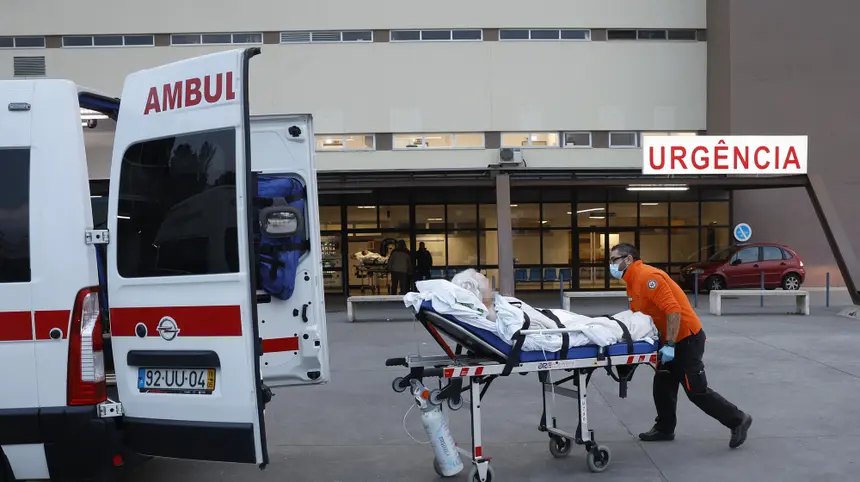
Heatwaves synonymous with ‘excess deaths’, invariably among elderly/ chronically ill
Mainland Portugal recorded 264 excess deaths during the recent heatwave alert period, which began a week ago.
Put another way, 21.2% more than the expected number of people have died, mainly the over 75s in the northern region, according to data released today by the DGS (national health directorate).
According to Portugal’s national meteorological institute IPMA, a sharp rise in temperatures is expected across the mainland in the coming days, meaning further ‘excess deaths’ will undoubtedly be recorded.
The DGS warns that “very high air temperatures, such as those seen in recent days (maximum and minimum), have a known negative impact on health, as a result of dehydration and/ or exacerbation of chronic diseases, among other factors, especially among the elderly”.
As of today, the ÍCARO index for mainland Portugal – calculated by public health institute Dr Ricardo Jorge (INSA) and which estimates the impact of air temperatures on mortality – anticipates a very significant effect of temperature on mortality during the hot weather period, particularly in the North, Centre and Alentejo regions.
In view of this, the DGS, in conjunction with the Executive Directorate of the national health service (DE-SNS) and local structures, has coordinated activation of contingency plans, in accordance with risk assessments carried out.
At the same time, the DGS states that it has intensified communication with the public in recent days through various media and platforms, with the aim of clarifying and raising awareness of the recommendations to be adopted during periods of extreme temperatures.
“Despite all efforts to mitigate the impact of heat on health, a period of excess mortality is expected in older age groups,” it admits.
The health authority reinforces the importance of the entire population, and especially the most vulnerable groups – such as people with chronic diseases, the elderly, children, pregnant women, individuals who work outdoors, homeless people or those in social isolation – adopting DGS recommendations, available on its website (if readers do not read Portuguese, run the recommendations through a translation app, like deepl.com)
The DGS states that it will continue to monitor the situation on an ongoing basis, updating the information whenever necessary.
source: Lusa