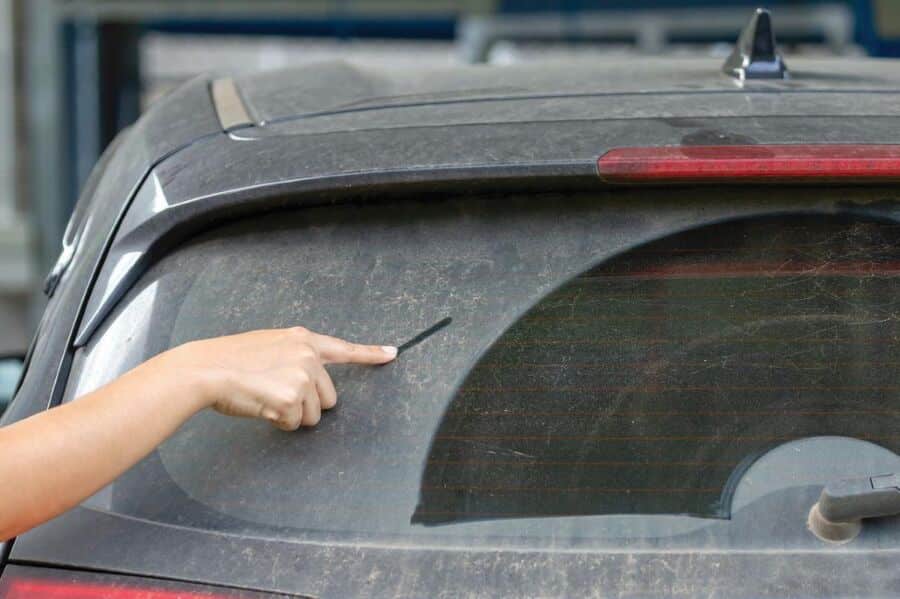
An air mass coming from the deserts of North Africa, carrying suspended dust, is expected to cross mainland Portugal today, bringing all the usual irritations: poor air quality and a light film of orange powder over cars/ clean washing hanging on lines etc., being some of the most obvious.
“Poor air quality is expected (…) with an increase in the concentrations of inhalable particles of natural origin in the air,” the DGS (general health inspectorate) concedesm adding that “this pollutant (inhalable particles – PM10) has effects on human health, especially on the most sensitive population, children and the elderly, whose health care must be redoubled during these situations”.
While the phenomenon continues, the DGS recommends that the general population “avoid prolonged exertion, limit outdoor physical activity and exposure to risk factors, such as tobacco smoke and contact with irritating products”.
The most vulnerable groups of citizens, and the general population, whenever possible, should “remain inside buildings and, preferably, with windows closed”, especially children, the elderly, and patients with chronic respiratory problems, namely asthma and cardiovascular problems.
Chronic patients should maintain ongoing medical treatments, says the DGS, stressing that in case of worsening symptoms they should contact the Health Line 24 (808 24 24 24) or seek medical help.
For additional information on air quality and the values measured at monitoring stations, please visit the APA website or the QualAr App.
There is no ‘timeline’ so far given for this African dustcloud, but weather generally is expected to be unusually hot (therefore linked to heat emanating from North Africa) until Wednesday next week.
Source material: Lusa