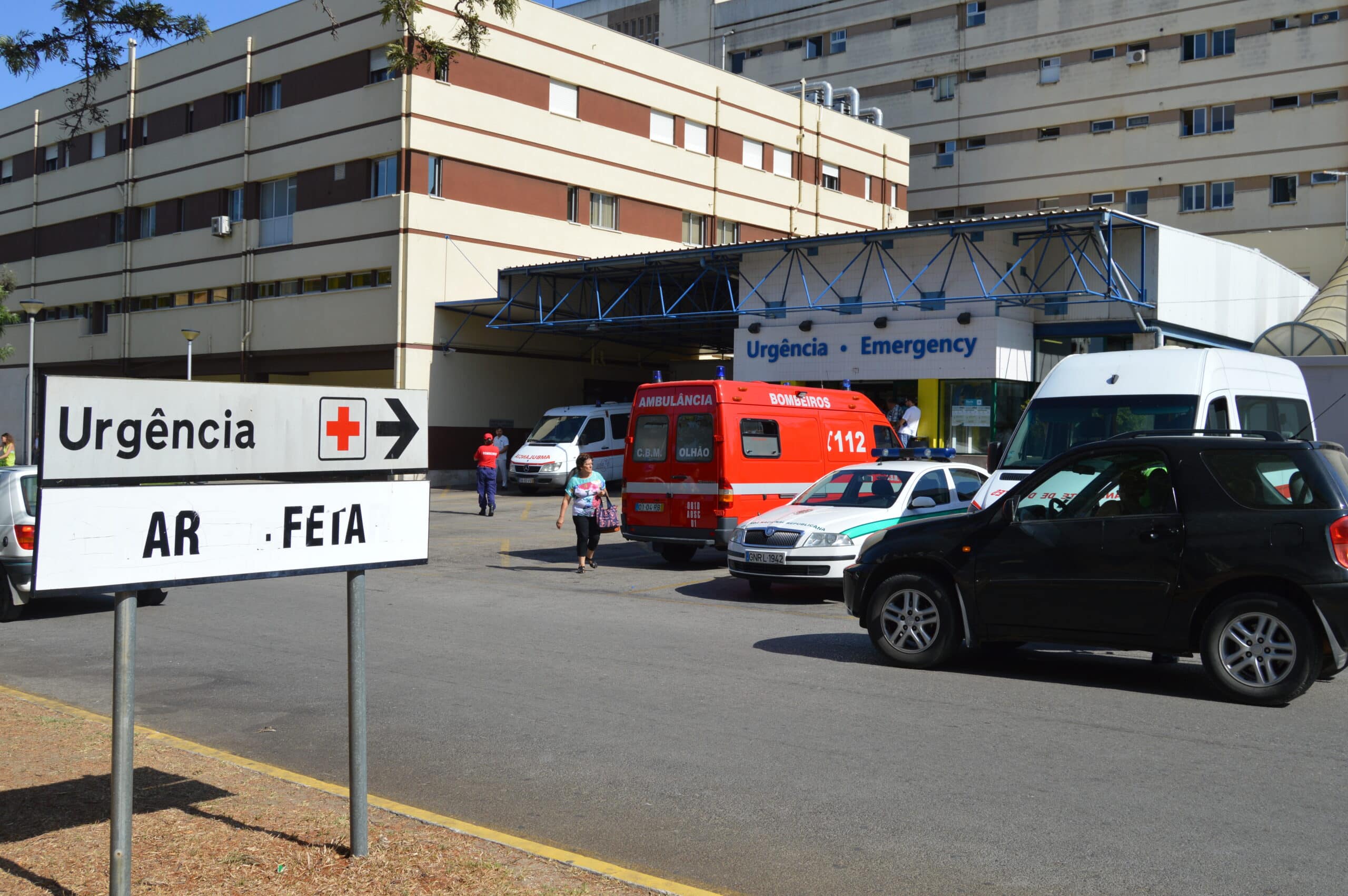
With the hours counting down now to a 24-hour strike by state health service doctors, nurses and other health professionals in the Algarve, president of the region’s administrative board has slammed the motives for tempting chaos in the middle of the high season as “extremely unreasonable”.
To be fair, the motives are not even new: The announcement of the strike, given last week, conceded that complaints over staff shortages and ‘lack of conditions’ go back years, through successive governments.
Smiling for the cameras, but complaining of ‘burnout’ (exhaustion), syndicate leaders even admitted that they have timed the strike to have the most impact.
This is what is feared – given that there is no opportunity right now for ‘negotiations’ with the government as everyone is on holiday.
Showing his appreciation for healthcare workers’ frustrations, António Pina – president of AMAL, the intermunicipal community of the Algarve – referred to the great lack of investment in hospitals in the region (but this also goes back years, through successive governments).
In response, Tiago Botelho, president of the regional health administration, has described his “profound incomprehension” at the complaints, considering they are politically motivated more than anything else. He stresses that nurses only recently secured a “significant salary increase” – and that improvements to the Algarve state health ‘offer’ (namely a new hospital and an oncology centre) are written into the State Budget for 2025.
All that being said, we are where we are: as Lusa points out: “with the shutdown expected to affect all hospitals and health centres in the region, concern remains about the direct impact on essential services, the ability to respond during one of the most critical periods of the year, and the sense of insecurity conveyed to the thousands of tourists who visit the Algarve during the summer”.
Keeping fingers tightly crossed for an absence of tragedies and health emergencies through Thursday, visitors are reminded that private hospitals exist in most large towns along the coast. ND