Regional alliance led by CCMAR aims to fight ecological and economic damage caused by marine invaders
A regional alliance has been created to fight the threat of invasive seaweed along the Algarve coast, which is jeopardising the region’s vital tourism industry – and thus its economy – as well as local ecosystems.
The alliance is spearheaded by the Algarve Marine Observatory (OMA), coordinated by the Centre of Marine Sciences of the Algarve (CCMAR), and is attempting to address the issue head-on.
For years now, species of invasive seaweed have begun to form thick mats along beaches and nearshore waters, threatening the postcard image of the Algarve’s world-famous coastline. This, in turn, has left local officials seriously concerned about the impact this new phenomenon can have in a region where tourism, marine biodiversity, and coastal livelihoods are deeply intertwined.
On Wednesday, SIC aired a report on a seaweed invasion at beaches in Albufeira, which was keeping beachgoers away and forcing them to seek alternatives that weren’t covered by a thick layer of algae. Beachside businesses were also affected as they were losing potential customers.
In the past two months, OMA has launched a series of high-level technical meetings bringing together marine researchers from CCMAR and GreenCoLab (Oceano Verde Association) with a host of key regional stakeholders. These include the Algarve Regional Coordination and Development Commission (CCDR Algarve), the Algarve Hotels and Tourist Resorts Association (AHETA), the Algarve Tourism Region (RTA), and several municipal councils across the region.
The collective effort aims to forge a “regional mitigation strategy based on scientific research” and tailored to the Algarve’s unique environmental and socioeconomic landscape.
A major milestone is set for September 25 – Portugal’s National Sustainability Day – when the working group will present a comprehensive political dossier. The document is expected to propose a regional early warning system to detect and track the spread of invasive algae, detailed assessments of the ecological and economic impacts, and innovative treatment and valorisation solutions for the algae biomass.
Where did this seaweed come from?
The main culprit is a type of algae named Rugulopteryx Okamurae, a brown macroalgae originally from Asia (namely Japan and South Korea) which has reached European waters and has developed as an invasive species.
It can colonise the areas it invades “aggressively and massively”, as has happened along the rocky seabed between Albufeira and Vila do Bispo, explained Conceição Gago, a representative from the Algarve Environmental Agency (APA), at a conference held in Lagos last year. On the bright side, this type of algae does not have any impact on seawater quality, she said.
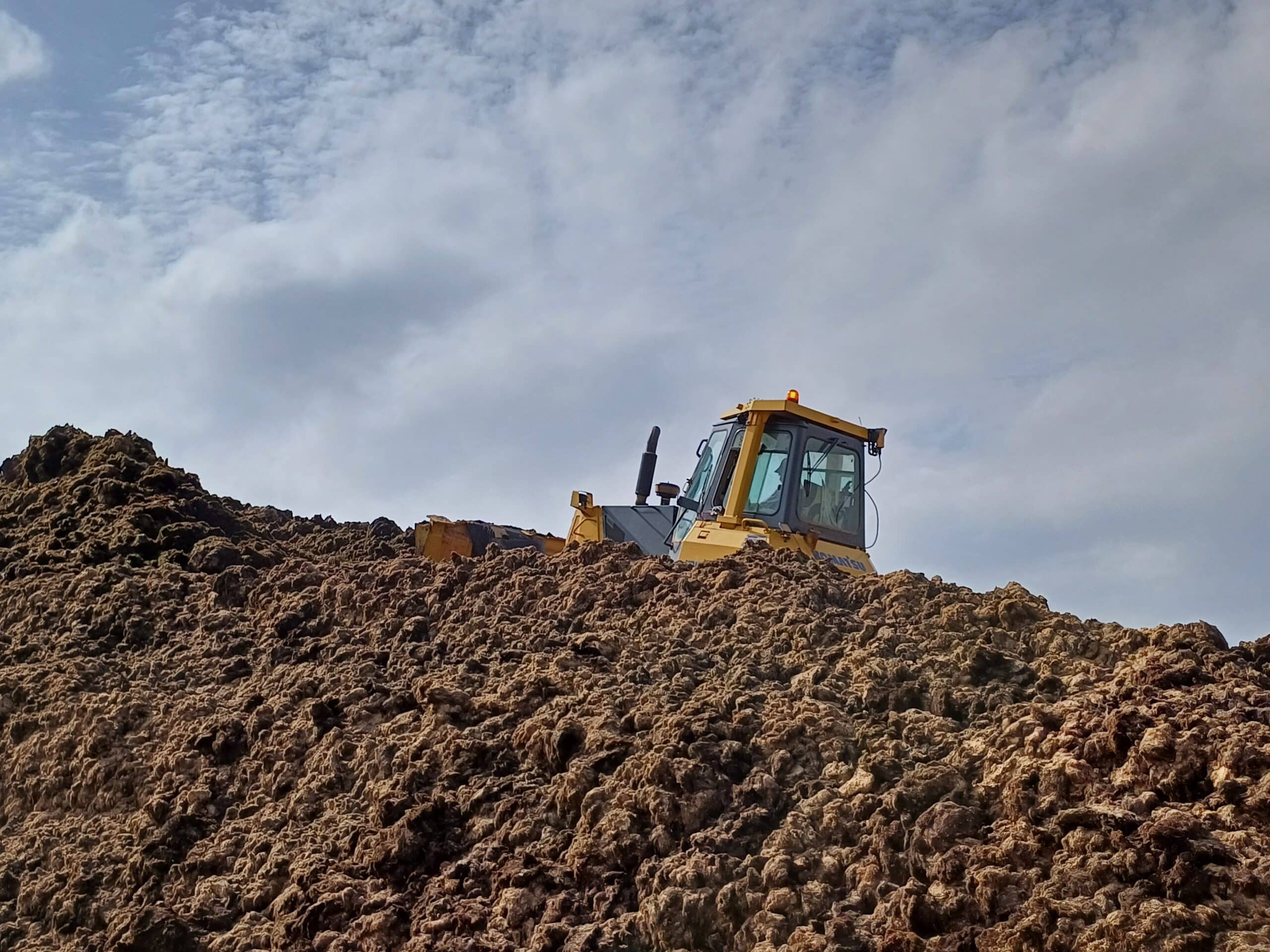
Clean-up efforts have been costing local councils several thousands of euros, although experts have been trying to figure out whether the collected algae can actually be put to use and turned into an economic opportunity.