“Practically 38% of population lives in homes needing better cooling”
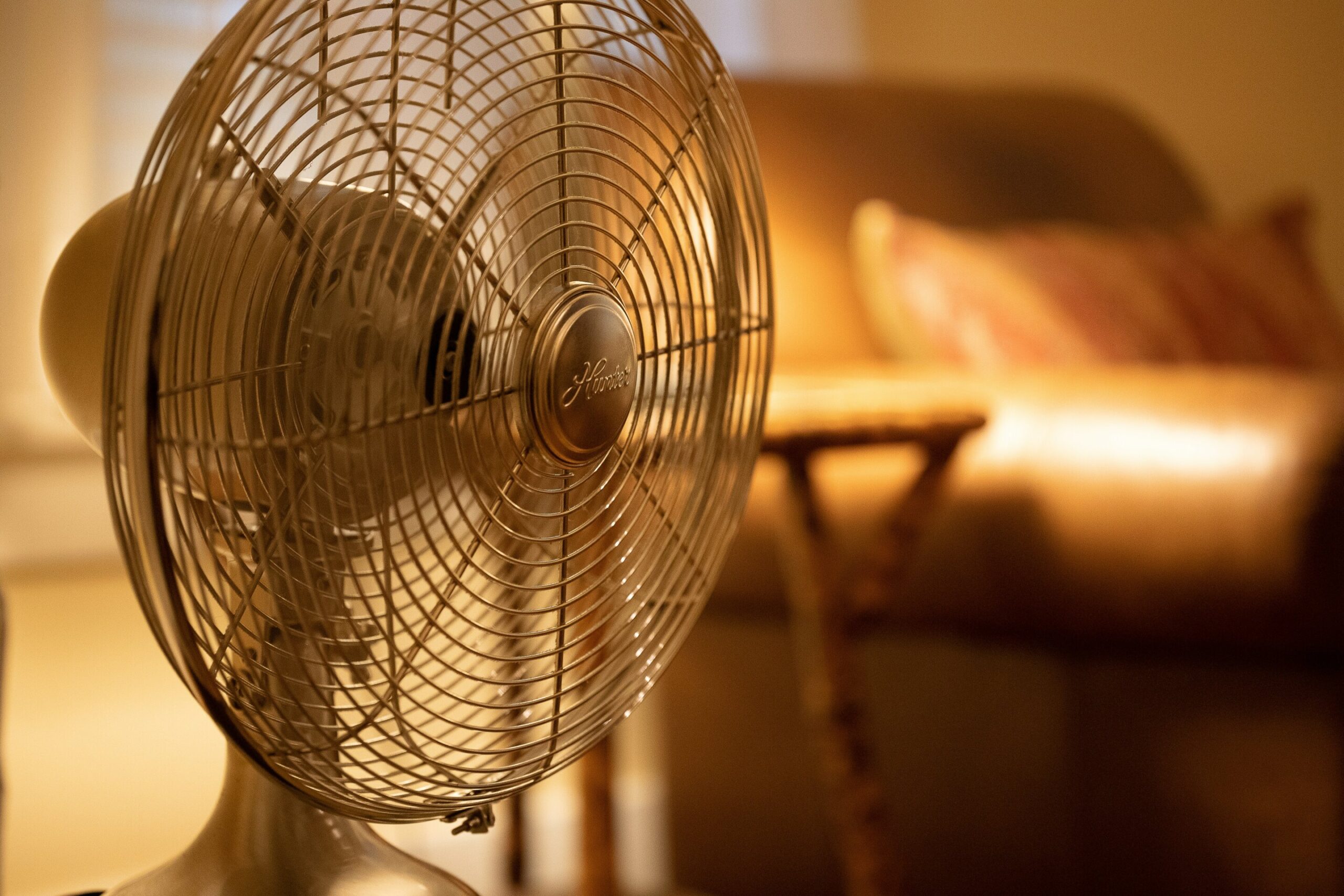
“Practically 38% of the population is living in homes that need better cooling during the summer”.
This is the uncomfortable reality that will be making itself felt this weekend, when temperatures in some areas are expected to top 40ºC.
Energy poverty is not ‘just to do with being cold in winter’: it is equally to being horribly hot in the summer. Poor insulation can leave homes like greenhouses at night, making it impossible for people to sleep.
Talking today in Coimbra, Sandra Araújo, coordinator of the National Strategy to Combat Poverty (ENCP), admitted that there is “still much to do”.
During the opening session of the event, “Combating Energy Poverty: Knowledge, Action and Community Voices,” Ms Araújo reported that statistics from the income and living conditions inquiry collected by Statistics Portugal (INE) for 2023 also indicate that around 21% of the population living in Portugal needs additional support to keep their homes adequately heated and that around 29% of the population lives in homes with leaks, that are damp and have rotten windows and/ or floors.
According to Sandra Araújo, current estimates indicate that between 1.8 and 3 million Portuguese people live in moderate energy poverty, and between 609,000 and 660,000 Portuguese people live in extreme energy poverty.
“Energy poverty particularly affects older people, those with lower levels of education, the unemployed, single-parent families, and relates to poverty in the broadest sense,” she said.
During her speech, the ENCP coordinator pointed out that Madeira, the Azores, the Algarve, and the northern region of the country have the highest percentage of households affected by energy poverty. (Drilling down, this means huge swathes of the mainland, as well as both archipelagos.)
“Compared to other European Union countries, Portugal is one of the countries where a higher proportion of people struggle to keep their homes adequately heated or cooled,” she agrees.
This is “a complex and multidimensional problem” arising from limited incomes, elevated energy costs, low thermal efficiency in most older homes, the country’s climate (cold winters/ hot summers), and limited energy literacy among consumers.
“The response to energy poverty must be comprehensive and structured, including programmes to rehabilitate and improve the efficiency of buildings, strengthen policies for access to energy at fair prices, and ensure that support reaches those who need it most effectively,” Sandra Araújo concluded, with the reality hanging in the air that responses this far have always promised much more than they delivered.
Source: LUSA