This, of course, assuming that you still have the inclination, patience (and age-span) to do so in the current political climate around these matters. And whilst my opening suggestions are arguably markers that might make one truly suitable for authentic nationality here, it’s likely that there will be more conventional assessments for the privilege and honour, for which the Portuguese passport is the ultimate bureaucratic trophy.
This topic would have been laughed at only a year ago when citizenship in Portugal was quite an understated affair. After a now seemingly brief and controversial five years of qualifying residency had passed, and engagement in some obligatory and expected paperwork had been completed, a passport would eventually be issued. Along with it, a Portuguese birth certificate would also emerge, making you effectively ‘born-again’ Portuguese, as I understand it.
There’s no song and dance however, actually or symbolically, and anyone looking to learn the national anthem, swear allegiance to the flag, or enjoy a ceremonial buffet of patriotic culinary national treasures is denied that joy – at least on an official basis.
But that could all change.
Citizenship tests are, as I am sure you know, a common requirement for naturalization in many countries, designed to assess an incomer’s knowledge of their chosen nation’s history, culture, laws and values. Some countries have fairly informal, straightforward and easy processes of this kind; others much tougher and far more elaborate in pomp, circumstance, and sense of civic duty.
Whilst the idea seems entirely reasonable, and especially attractive to the more ‘nationalistic’ (used here in an entirely non-pejorative way), who seek more discernment when it comes to who joins them as immigrants, others doubt that even the ‘born and bred’ might pass examination of this kind.
Personally, for citizenship, I would say both linguistic and cultural assessment, and a certain level of attainment is a perfectly sound idea; and a great opportunity to show willingness, affinity and even affection for the culture into which we might be hoping to integrate, at the deepest of levels.
Equally, I am not a fan of examinations, and would welcome community validation and peer-review, which I realise would be more complex and perhaps costly, but it’s not as if we don’t have bureaucratic and governmental machinery at our disposal for such a task.
I understand the USA has (only testing for cultural and not language specifically) an oral test with 10 questions drawn from a pool of 100, requiring six correct answers to pass, including the all-important: “When is the last day to file federal income taxes?” Apparently, approximately 88% pass on their first attempt, with 7% passing on a retake. Though one might now anticipate drastic changes with the current regime, and new questions being asked, such as “Who is king of the world?” and “What is the greatest country on earth?”
Cooler Canada, on the other hand, and other side of the border, have much higher expectations and requirements, with questioning based on the ‘Discover Canada’ guide, covering the national basics and including “How many Canadians served in the First World War?” or “What is the first line of Canada’s national anthem?”, where only a handful of applicants pass on the first try, making it one of the hardest tests in the world.
My native UK, I found out, has a process based on their “Life in the UK” manual, which has been criticized for including trivia, including such knowledge as the height of the London Eye, rather than more practical knowledge, like (in my view) “Should one have chips with peas, curry or gravy?”
Would-be Aussies face a 45-minute multiple-choice test that requires a 75% minimum mark overall, and interestingly, no mistakes on five questions about Australian values.
If you are contemplating allegiance for The Netherlands, be aware your ‘labour market orientation’ will be assessed and there may be fines for failures, which sounds like some Dutch tough love, to me.
When all’s said (to the correct linguistic level) and done (unto those officials in whose hands your future rests), Australia and Germany are among the countries who have highest success rates, with “straightforward questions and accessible study materials”, and Canada and the UK notably difficult, thanks to detailed historical and cultural quizzing.
Incidentally, and though not our focus here today, language-wise, all Japan requires is a handwritten letter, in Japanese, but no formal test. Vatican City, meanwhile, also eschews a test, but citizenship is tied to employment or papal appointment, presumably regardless of your Latin level.
So back to Portugal then, and what do we think should be asked of potential and true nationals here? Yes, you should have the basics of the language and, IMHO, more the conversational and comprehension-based basics, than that odd certificate that shows an aptitude for endurance more than it does an ability to connect in real life at the café, in the street or in an official situation.
But beyond that, I propose ‘testing’ that reveals how much you relate to and appreciate Portuguese culture; sure, its food, wine and common customs, but also the rich history, the sayings and the stories that tell us about what it is to be, and behave, Portuguese.
In the spirit of understanding the spirit, or soul, of Portuguese-ness, and the sort of things I think you’ll thank me for when the official test kicks in, I’m getting the party started (which is, of course, in itself very Portuguese), with a daily question on my Good Morning Portugal! breakfast show. I’m going for the multiple-choice and quick-fire approach, that is your primer on loving life in Portugal through the all-important and deeply-treasured lenses of culture, history, sociology and sociability, and hopefully creates an itch of curiosity that you’ll want to scratch with endless pleasure rather than momentary irritation…
Here are a few sample questions to get the ball roling …

Portuguese Citizenship Test
Food
- What is the main ingredient in Portugal’s famous bacalhau dishes?
a) Tuna
b) Cod
c) Salmon - Which traditional Portuguese soup is made with kale, potatoes, and sausage?
a) Sopa de Pedra
b) Caldo Verde
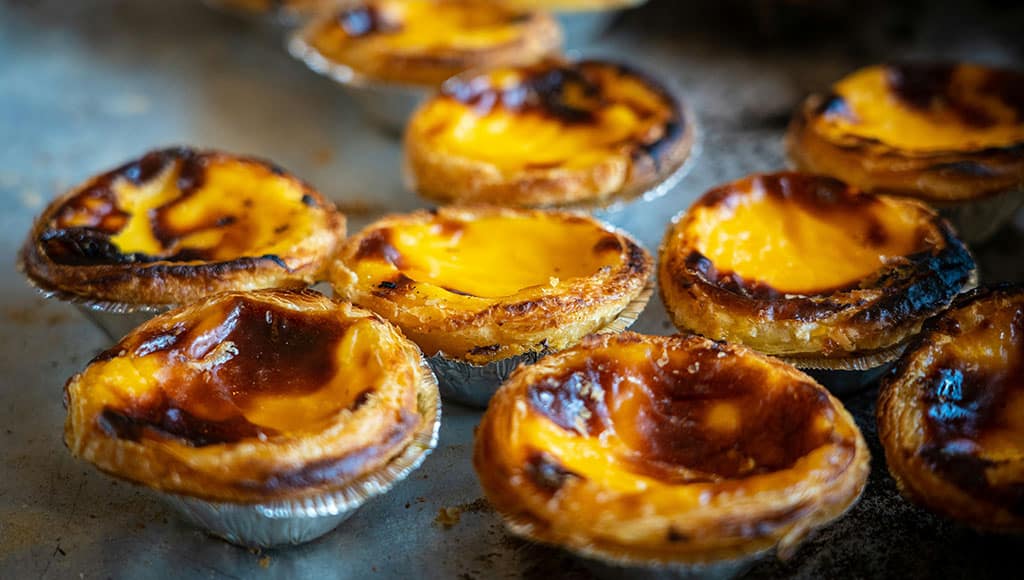
c) Açorda - What is the name of the custard-filled pastry popular in Belém?
a) Pastel de Nata
b) Bola de Berlim
c) Queijada - Which region is known for its hearty Cozido à Portuguesa stew?
a) Algarve
b) Lisbon
c) Minho - What is cataplana, a popular dish from the Algarve?
a) A seafood stew
b) A grilled meat dish
c) A vegetable salad - Which cheese is a specialty of the Serra da Estrela region?
a) Queijo da Serra
b) Queijo de Azeitão
c) Queijo de Cabra - What is the name of the spicy sausage used in many Portuguese dishes?
a) Chouriço
b) Alheira
c) Morcela - Which dessert is made with egg yolks, sugar, and cinnamon, often served at Christmas?
a) Rabanadas
b) Pão de Ló
c) Aletria - What is the key ingredient in the Alentejo dish migas?
a) Bread
b) Rice
c) Pasta - Which fish is commonly grilled whole in Portuguese cuisine?
a) Sardines
b) Mackerel
c) Anchovies
Wine
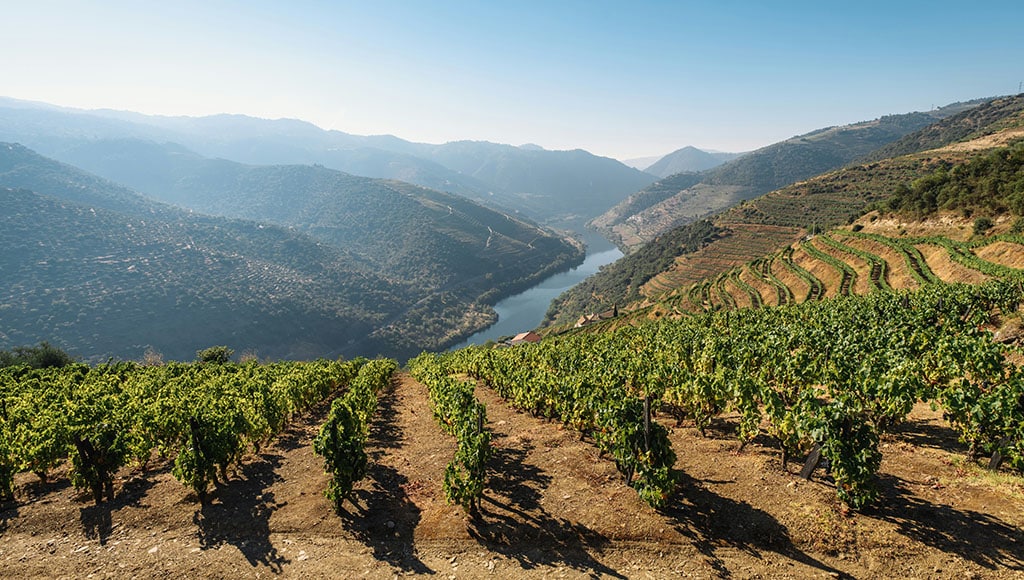
- Which region is famous for producing Port wine?
a) Douro Valley
b) Alentejo
c) Dão - What type of wine is Vinho Verde?
a) Red
b) White or rosé
c) Sparkling - Which grape variety is commonly used in Alentejo red wines?
a) Touriga Nacional
b) Aragonez
c) Fernão Pires - What is the name of the fortified wine from Madeira?
a) Moscatel
b) Madeira
c) Carcavelos - Which Portuguese wine region is known for its crisp, aromatic whites?
a) Bairrada
b) Minho
c) Setúbal - What is the main grape variety in Port wine production?
a) Tinta Roriz
b) Alvarinho
c) Bical - Which wine style is associated with the term “tawny”?
a) White Port
b) Aged Port
c) Rosé - What is the name of the traditional clay amphora used in Alentejo winemaking?
a) Talha
b) Barrique
c) Pipa - Which island produces a wine known as Verdelho?
a) Madeira
b) Azores
c) Porto Santo - What is the name of Portugal’s sparkling wine?
a) Espumante
b) Licoroso
c) Colheita
Culture
- What is the traditional Portuguese music genre known for its melancholic tone?
a) Fado
b) Rancho
c) Vira - Who is Portugal’s most famous poet, known for “Os Lusíadas”?
a) Fernando Pessoa
b) Luís de Camões
c) José Saramago - Which festival celebrates São João with street parties in Porto?
a) Festa de São João
b) Romaria de São Pedro
c) Feira de São Mateus - What is the name of the traditional Portuguese tilework?
a) Azulejo
b) Mosaico
c) Fresco - Which dance is associated with the Minho region?
a) Vira
b) Corridinho
c) Fandango - What is the name of the traditional cloak worn by students in Coimbra?
a) Capote
b) Traje Académico
c) Mantilla - Which Portuguese writer won the Nobel Prize for Literature in 1998?
a) Eça de Queirós
b) José Saramago
c) António Lobo Antunes - What is the name of the traditional bullfighting style in Portugal where the bull is not killed?
a) Tourada
b) Corrida de Touros
c) Cavaleiro - Which instrument is central to fado music?
a) Portuguese Guitar
b) Accordion
c) Mandolin - What is the traditional pilgrimage site in Portugal, visited by millions annually?
a) Fátima
b) Santiago de Compostela
c) Belém
Geography
- What is the longest river in Portugal?
a) Tagus
b) Douro
c) Guadiana - Which mountain range is home to Portugal’s highest peak, Serra da Estrela?
a) Peneda-Gerês
b) Serra da Estrela
c) Montesinho - What is the southernmost region of mainland Portugal?
a) Algarve
b) Alentejo
c) Beira Baixa - Which Portuguese island is known as the “Pearl of the Atlantic”?
a) Madeira
b) São Miguel
c) Terceira - What is the name of the estuary forming Lisbon’s harbor?
a) Sado
b) Tagus Estuary
c) Ria Formosa - Which national park is located in northern Portugal?
a) Peneda-Gerês
b) Arrábida
c) Sintra-Cascais - What is the largest city in the Algarve?
a) Faro
b) Lagos
c) Portimão - Which river forms part of the border between Portugal and Spain?
a) Minho
b) Mondego
c) Sado - What is the name of the volcanic archipelago west of mainland Portugal?
a) Azores
b) Madeira
c) Berlengas - Which coastal town is known for its surfing beaches, like Supertubos?
a) Nazaré
b) Peniche
c) Ericeira
History
- In which century did Portugal gain independence from the Kingdom of León?
a) 12th
b) 14th
c) 10th - Who was the first king of Portugal?
a) Afonso Henriques
b) Dinis
c) João I - What was the name of the 1755 event that devastated Lisbon?
a) Great Fire
b) Lisbon Earthquake
c) Plague of Lisbon - Which explorer discovered the sea route to India in 1498?
a) Vasco da Gama
b) Ferdinand Magellan
c) Bartolomeu Dias - What treaty divided the New World between Portugal and Spain in 1494?
a) Treaty of Tordesillas
b) Treaty of Alcáçovas
c) Treaty of Lisbon - Which dynasty ruled Portugal during the Age of Discoveries?
a) Avis
b) Bragança
c) Habsburg - In which year did Portugal abolish the monarchy?
a) 1910
b) 1820
c) 1640 - Who was the dictator who ruled Portugal from 1932 to 1968?
a) António de Oliveira Salazar
b) Marcelo Caetano
c) Sidónio Pais - What was the name of the revolution that ended the dictatorship in 1974?
a) Carnation Revolution
b) April Revolution
c) Freedom Revolution - Which Portuguese colony gained independence in 1975?
a) Angola
b) Brazil
c) Macau
Mixed Topics
- What is the traditional bread soup from the Alentejo region called?
a) Açorda
b) Sopa de Tomate
c) Caldeirada - Which wine region is known for its sparkling Bairrada wines?
a) Douro
b) Bairrada
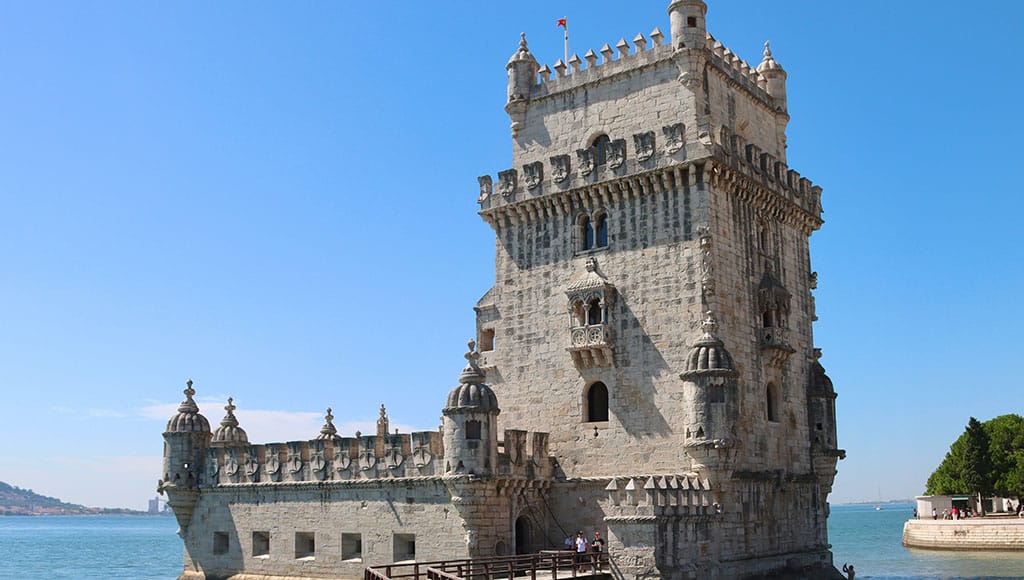
c) Setúbal - What is the name of the famous tower in Lisbon built in the 16th century?
a) Belém Tower
b) São Jorge Castle
c) Ajuda Palace - Which Portuguese explorer was the first to sail around the Cape of Good Hope?
a) Bartolomeu Dias
b) Pedro Álvares Cabral
c) Henry the Navigator - What is the traditional dance of the Algarve region?
a) Corridinho
b) Vira
c) Malhão - Which fruit is a key ingredient in the Algarve’s fig and almond sweets?
a) Fig
b) Orange
c) Lemon - What is the name of the famous bridge in Lisbon spanning the Tagus River?
a) Ponte 25 de Abril
b) Ponte Dom Luís
c) Ponte Vasco da Gama - Which city is known as the “Venice of Portugal” due to its canals?
a) Aveiro
b) Coimbra
c) Évora - What is the name of the traditional smoked sausage from Trás-os-Montes?
a) Alheira
b) Chouriço
c) Farinheira - Which Portuguese king was known as the “Poet King”?
a) Dinis
b) Manuel I
c) João II - What is the main grape variety used in Vinho Verde? Penalized by three points:
a) Alvarinho
b) Touriga Nacional
c) Baga - Which city hosted the University of Portugal, one of the oldest in Europe?
a) Lisbon
b) Coimbra
c) Porto - What is the name of the traditional Portuguese pork and clam stew?
a) Carne de Porco à Alentejana
b) Cozido à Portuguesa
c) Caldeirada - Which region is known for its ancient Roman ruins, like the Temple of Diana?
a) Évora
b) Braga
c) Faro - What is the name of the traditional scarf worn by fado singers?
a) Xaile
b) Lenço
c) Mantilha - Which river runs through the city of Porto?
a) Douro
b) Tagus
c) Mondego - Who was the Portuguese queen who married King Charles II of England?
a) Catherine of Braganza
b) Maria I
c) Leonor of Aragon - What is the name of the sweet, layered cake from the Algarve?
a) Dom Rodrigo
b) Bolo Rei
c) Pão de Ló - Which Portuguese island is known for its volcanic landscapes and hot springs?
a) São Miguel
b) Madeira
c) Faial - In which year did Portugal join the European Union?
a) 1986
b) 1974
c) 1992 - What is the name of the traditional Portuguese rice pudding dessert?
a) Arroz Doce
b) Aletria
c) Leite Creme - Which wine is fortified with grape spirit and aged in barrels?
a) Port
b) Vinho Verde
c) Dão - What is the name of the historic palace in Sintra with colorful architecture?
a) Pena Palace
b) Queluz Palace
c) Ajuda Palace - Which Portuguese explorer discovered Brazil in 1500?
a) Pedro Álvares Cabral
b) Vasco da Gama
c) Ferdinand Magellan - What is the traditional name for Portuguese Christmas Eve dinner?
a) Consoada
b) Ceia de Natal
c) Festa de Natal - Which region is known for its black pottery?
a) Alentejo
b) Estremadura
c) Minho - What is the name of the castle in Lisbon overlooking the city?
a) São Jorge Castle
b) Belém Tower
c) Almourol Castle - Which grape variety is used in the production of Moscatel de Setúbal?
a) Muscat
b) Touriga Franca
c) Arinto - What is the name of the traditional Portuguese flatbread?
a) Broa
b) Pão de Milho
c) Bolo do Caco - Which battle in 1385 secured Portugal’s independence from Castile?
a) Battle of Aljubarrota
b) Battle of Ourique
c) Battle of Alcântara - What is the name of the traditional Portuguese embroidered lace?
a) Renda de Bilros
b) Bordado Madeira
c) Ponto Alto - Which city is known as the birthplace of Portugal?
a) Guimarães
b) Lisbon
c) Porto - What is the name of the dish made with tripe and beans in Porto?
a) Tripas à Moda do Porto
b) Feijoada
c) Cozido - Which Portuguese island is known for its wine and black sand beaches?
a) Pico
b) Madeira
c) Terceira - What was the name of the Portuguese currency before the Euro?
a) Escudo
b) Real
c) Cruzeiro - Which traditional festival involves throwing hammers in Porto?
a) São João
b) Santo António
c) São Pedro - What is the name of the traditional almond tart from the Algarve?
a) Tarte de Amêndoa
b) Queijada
c) Dom Rodrigo - Which river valley is a UNESCO World Heritage Site for its terraced vineyards?
a) Douro Valley
b) Tagus Valley
c) Minho Valley - Who was the Portuguese king during the 1755 Lisbon Earthquake?
a) José I
b) João V
c) Manuel II - What is the name of the traditional Portuguese cod fritters?
a) Pataniscas
b) Bolinhos de Bacalhau
c) Rissóis - Which region is known for its lace-making tradition?
a) Madeira
b) Minho
c) Alentejo - What is the name of the historic aqueduct in Lisbon?
a) Aqueduto das Águas Livres
b) Aqueduto de Belém
c) Aqueduto de São Sebastião - Which Portuguese colony was returned to China in 1999?
a) Macau
b) Goa
c) Timor-Leste - What is the name of the traditional Portuguese Christmas cake?
a) Bolo Rei
b) Pão de Ló
c) Tarte de Amêndoa - Which city is known for its Gothic cathedral and Roman bridge?
a) Évora
b) Braga
c) Coimbra - What is the name of the traditional pork sausage from the Alentejo?
a) Farinheira
b) Chouriço
c) Alheira - Which Portuguese king sponsored the Age of Discoveries?
a) Henry the Navigator
b) João I
c) Manuel I - What is the name of the traditional Portuguese wool cap from the Alentejo?
a) Barrete
b) Chapéu Alentejano
c) Boina - Which region is known for its prehistoric rock art in the Côa Valley?
a) Trás-os-Montes
b) Beira Alta
c) Alentejo - What is the name of the traditional Portuguese fish stew?
a) Caldeirada
b) Cataplana
c) Açorda