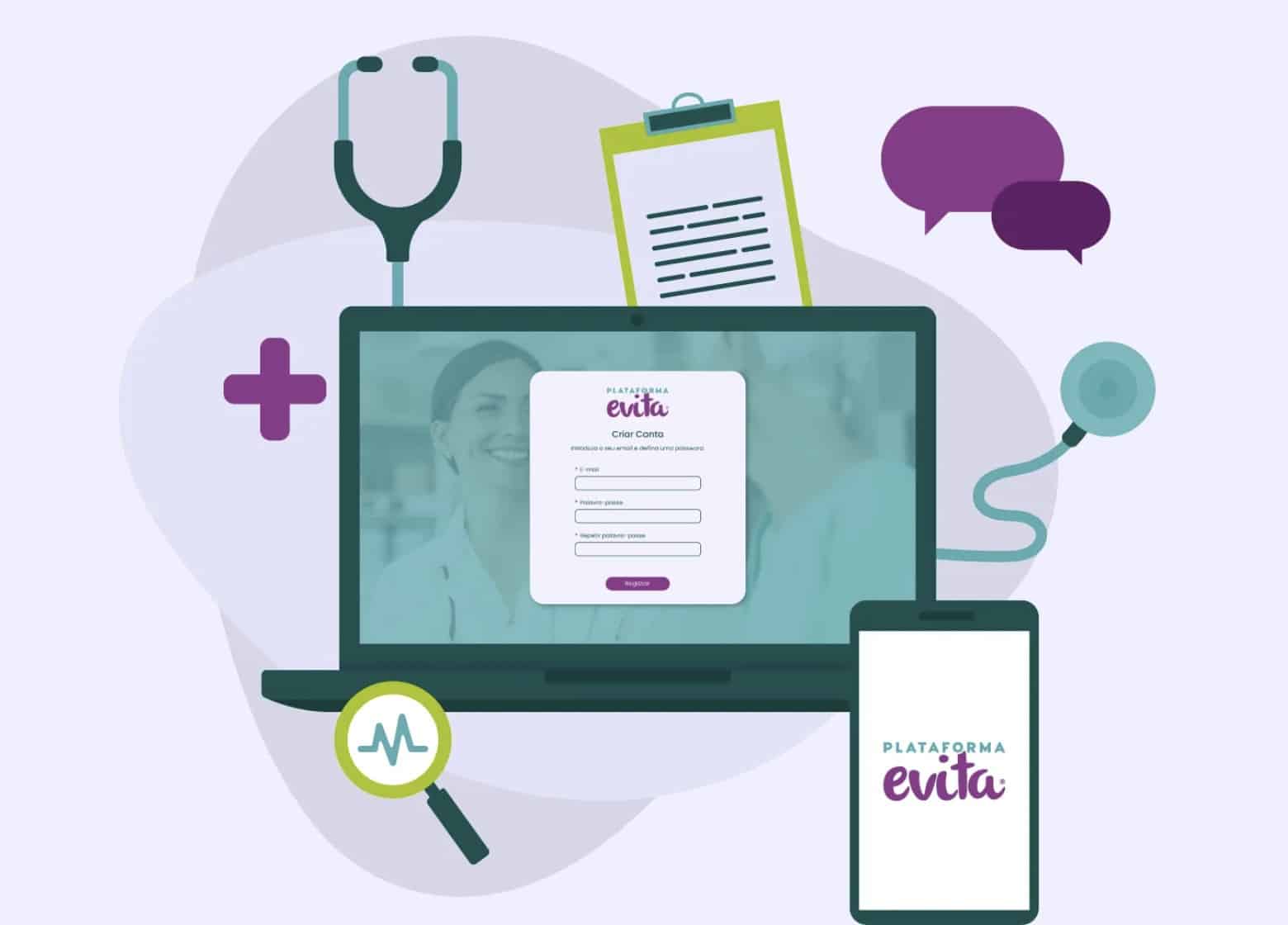
The platform launched by the association Evita – Hereditary Cancer has already enabled more than 2,300 people to assess their risk of cancer; in over 80% of cases, the risk was high, and they were recommended to seek genetic counselling.
Speaking to Lusa, president of Evita Tamara Milagre explains that there is still ‘a big barrier’ in access to genetic counselling and testing ‘due to a lack of genetic literacy’ among health professionals outside of the fields of oncology and human genetics .
Family GPs do “not really know how to recognise the patterns.
“Sometimes it can be breast cancer that is related to stomach cancer, or it can be pancreatic cancer that is related to prostate cancer in another family member. These are complex patterns and we (Evita) try to facilitate this identification and (…) do a sort of initial screening of who would benefit or not from genetic counselling,” she says.
On the platform, people can complete a 10-point questionnaire based on the national recommendations of the Hereditary Cancer Working Group of the Portuguese Oncology Society, which can cover any hereditary cancer syndrome.
“These are general questions, for example, if you’ve had a person in your family with more than one primary cancer.”
If the user answers yes to one of the 10 questions, Evita recommends seeking genetic counselling, which, in the future, it also plans to offer within the platform, “in a safe space, in an integrated tool for telemedicine via video call with our medical geneticist”.
Another service that the Evita Platform wants to make available in the future, via telemedicine, is psychological counselling, which “goes hand in hand with the risk of cancer or the diagnosis of cancer”.
One thing this new initiative promises is that people will “never again be abandoned”, says Milagre, as happened during the 2020 pandemic.
A proposal for such teleconsultation services has already been submitted to the Ministry of Health, so that it can be implemented through the SNS state health service.
The platform already has 3,215 users, with 2,310 having taken the test. Of these, 1,872 (81%) were deemed at high risk.
“This proves that people want to know,’ says Tamara Milagre, explaining that Evita has already managed to refer hundreds of people who “would otherwise have fallen through the system’s net” and would only have been “caught” when they started to show symptoms.
Tamara Milagre recalls that hereditary cancer “is the most expensive of all”: “It appears at the peak of productivity, at childbearing age, and we let these people get sick, even with some late diagnoses, because the person themselves, not knowing their (genetic) predisposition, may not appreciate the symptoms”.
She adds that, at the moment, anyone who takes the test on the platform and receives a result indicating that they have a high risk of cancer is advised to take the data to their family doctor. “That way, they can have an idea of whether they would benefit from genetic counselling. Only the doctor can make the diagnosis.”
The latest data from Globocan – a series of global estimates on the incidence and mortality of cancer, provided by the International Agency for Research on Cancer (IARC) – indicates that there are 70,000 cases of cancer in Portugal every year, 7,000 of which are hereditary. This means that 19 people are identified with hereditary cancer every day.
Source: LUSA