Rabo do Peixe also promises to restore dignity to village immortalised by popular Netflix series
The book ‘Rabo de Peixe’ promises “the complete truth” about the drugs that washed up on São Miguel island in the Azores, in 2001, rather than the fiction portrayed in a widely-acclaimed Netflix series.
“This work is not a novel. It’s not a work of fiction, but a work that seeks to show the complexity of history, with all its dark sides. There is a component of research, of travelling, of encounters, which enrich the story,” explains author Rúben Pacheco Correia.
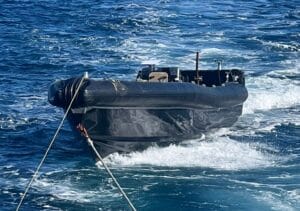
The book, which will be presented at 9pm local time in the Azores today (8pm in Lisbon) in the church of Rabo de Peixe, is the result of a two-year investigation and includes interviews with “all the protagonists” involved in the sinking of a boat that brought more than 700 kilos of cocaine to São Miguel in 2001.
“I discovered incredible stories that show that reality, after all, is much harsher than fiction,” says the author.
Among the testimonies is that of Italian drug trafficker Antonino Quinci, who “disappeared for more than twenty years” and is now in prison in Brazil – as well as the men who helped him escape from Ponta Delgada prison and remain hidden from the authorities.
“I hired a private detective to try and find Antonino Quinci. I followed some leads that took me to Sicily, where I interviewed members of the criminal family that brought the cocaine to the Azores, and later to Brazil, where I interviewed the protagonist of this whole story in prison,” Correia tells Lusa.
Some of the ‘revelations’ in the book make it possible to understand the ‘complexity’ of the incident – such as the fact that the drugs belonged to a Colombian cartel and had “links to an attempted attack in Lisbon”.
“Vito Quinci, Antonino’s nephew who came to help his uncle in São Miguel in 2001, had been kidnapped with his wife by the Colombian cartel that owned the drugs while Antonino didn’t turn up,” he explains.
The book “is not an ode to crime”, but rather a ‘warning’, not only about a situation that “contributed to the end of many people’s lives”, and a drug problem that continues to be a scourge on São Miguel island to this day.
Born in Rabo de Peixe, Rúben Pacheco Correia says that he grew up with a ‘stigma’ associated with his land that “doesn’t correspond to reality” – a situation that he claims has been exacerbated by the Netflix series inspired by this event.
For the author, the Netflix series – also called ‘Rabo de Peixe’, and due soon for a second raft of episodes – “put the name of a community at stake” by not separating reality from fiction, making it “legitimate for the viewer to think that the whole story is inspired by real events” (even though the official trailer contends that the inspiration is “loose”).
“Somewhat disgusted by this, I decided to start investigating the only event that the series was really inspired by: the drugs that washed up all over the island of São Miguel. I emphasise ‘all over the island’,” says Correia.
“This is a project that is trying to dignify the name of Rabo de Peixe and clear its name,” he reiterates.
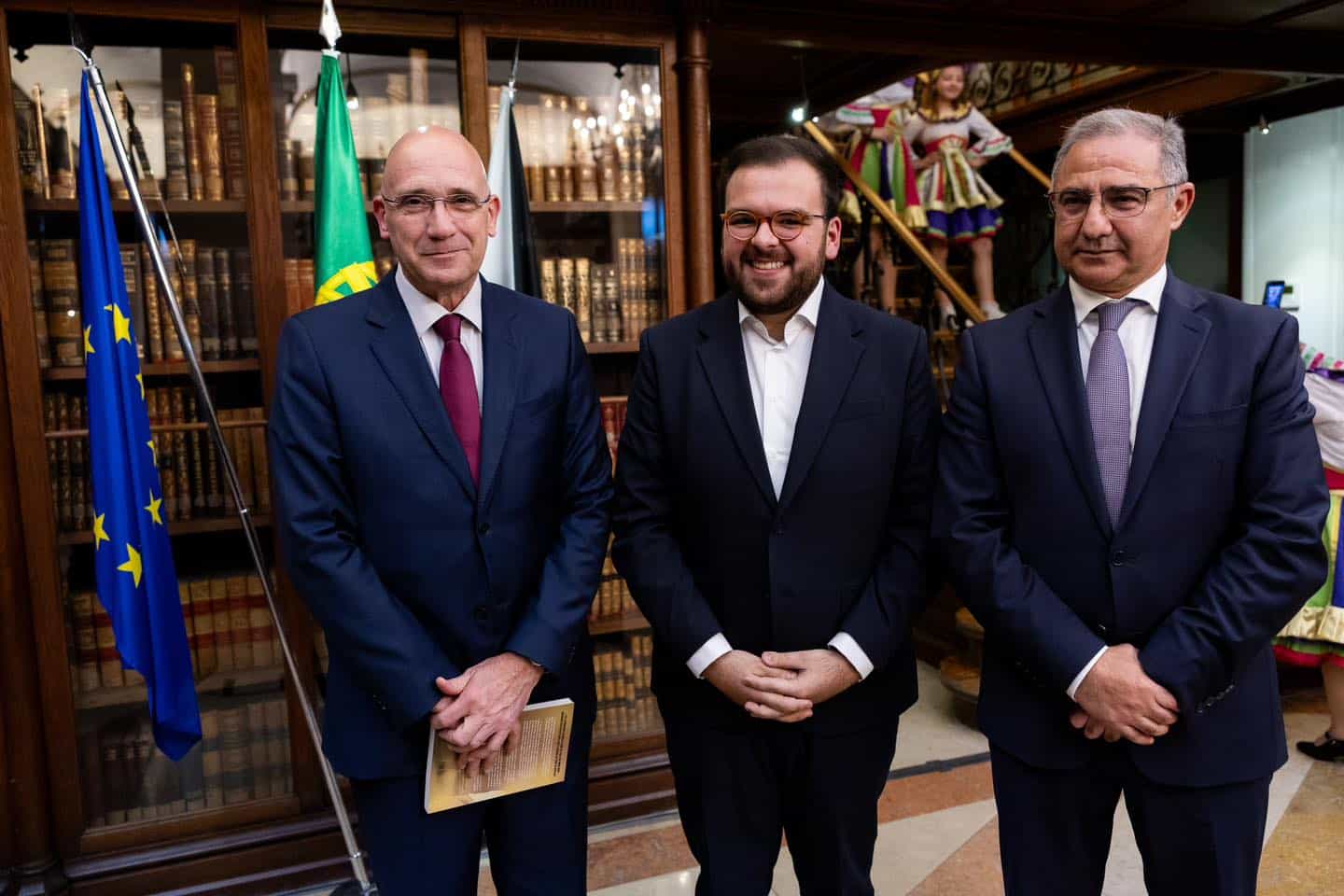
On Wednesday, during the presentation of the book in Lisbon (see image above), it was announced that it will be the subject of a TVI documentary.
Rúben Correia has also said that he has rejected offers from the Netflix platform to buy the exclusive contract he signed with Antonino Quinci: “I want to tell the story myself. I’m from Rabo de Peixe and I want to give my land the dignity it deserves”, he told Lusa.
Rabo de Peixe – Toda a Verdade” (The whole truth) will also be presented in the northern city of Gaia (in mainland Portugal) on May 16.
LUSA