New task force being formed to restore park to its former glory
Portimão’s once thriving underwater park, Ocean Revival, is set to live up to its name as a new task force is being formed by the municipal council to return it to its former glory days.
Originally launched through the vision of Luís Sá Couto (SubNauta diving centre), the Ocean Revival project involved deliberately sinking four decommissioned Portuguese Navy vessels to create one of the largest artificial reefs in Europe.
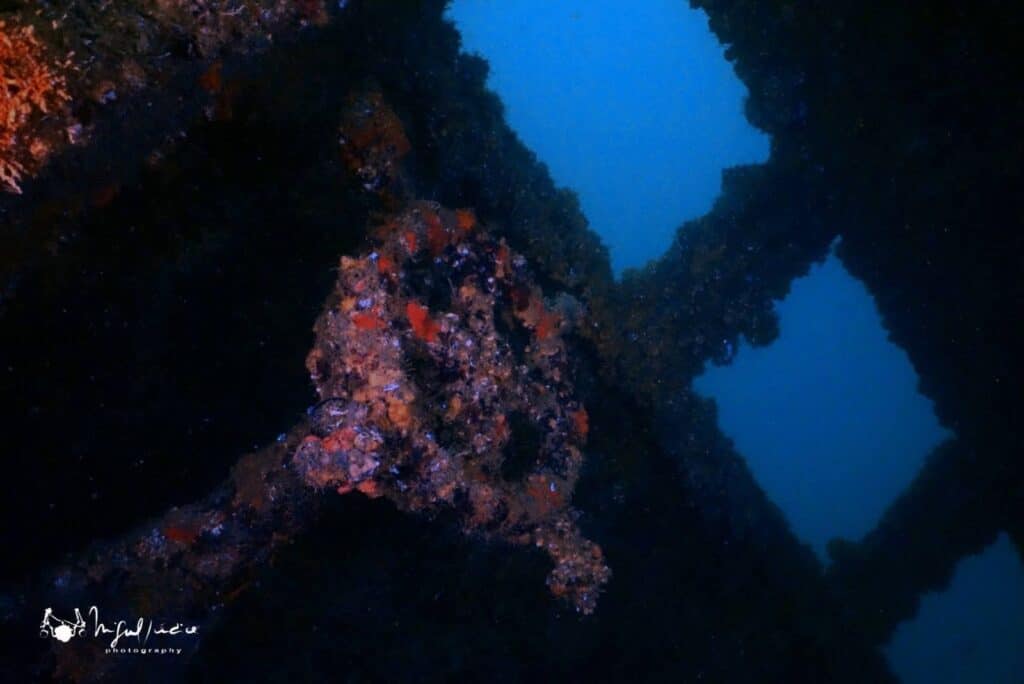
The goal was to put Portimão and the Algarve on the international map for divers looking for new underwater attractions to explore. Over time, the park grew into a leading diving destination, attracting both hobbyists and marine researchers.
But like so many others, Ocean Revival faced challenges it could not control. The Covid-19 pandemic dealt a heavy blow to the tourism and diving sectors, forcing the closure of one of Europe’s best-equipped diving centres (SubNauta).
The tide may be turning for the park, however, as the local council is in talks to sign a partnership agreement with Portisub, the Portimão-based diving club and one of the original founding partners of the park. If finalised, Portisub would take over management of Ocean Revival.
“We’d like to see this process wrapped up by the end of this year,” Nuno Monteiro, president of Portisub and diving instructor, told Barlavento newspaper. Immediate concerns include maintaining the park’s buoys, clearing accumulated fishing nets, and ensuring the continued safety of the sunken vessels, which, despite no longer being widely advertised, still attract visitors.
A different dive every time
Ensuring diver safety was always one of the main goals of the team behind the project, Monteiro explained. The sunken ships were meticulously stripped of hazardous materials like hydrocarbons, asbestos, and old wiring, while potential physical threats such as closed hatches or sharp structures were removed. “It’s an easy dive, though certification for advanced divers is required,” he added.
The artificial reef ranges from 20 to 36 metres in depth, catering to both casual and experienced divers.
One aspect which makes Ocean Revival so special in the eyes of divers is that every dive is different. Monteiro, who has been diving since 1986, describes Ocean Revival as a site unlike any other. “I dive there four to five times a year. The sea conditions and marine life are never the same,” he said.
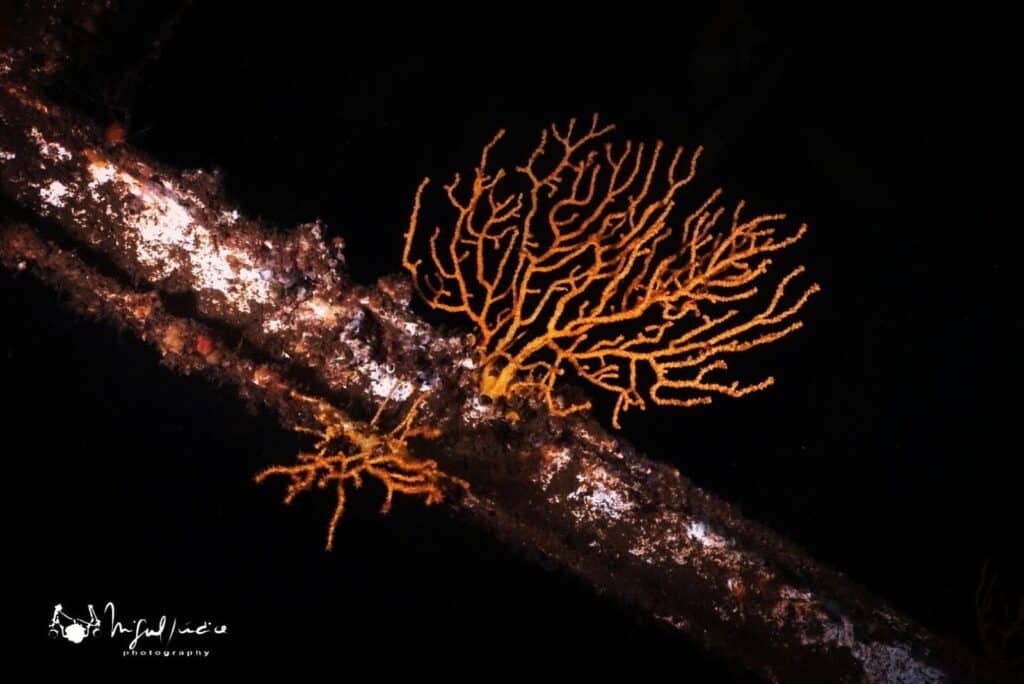
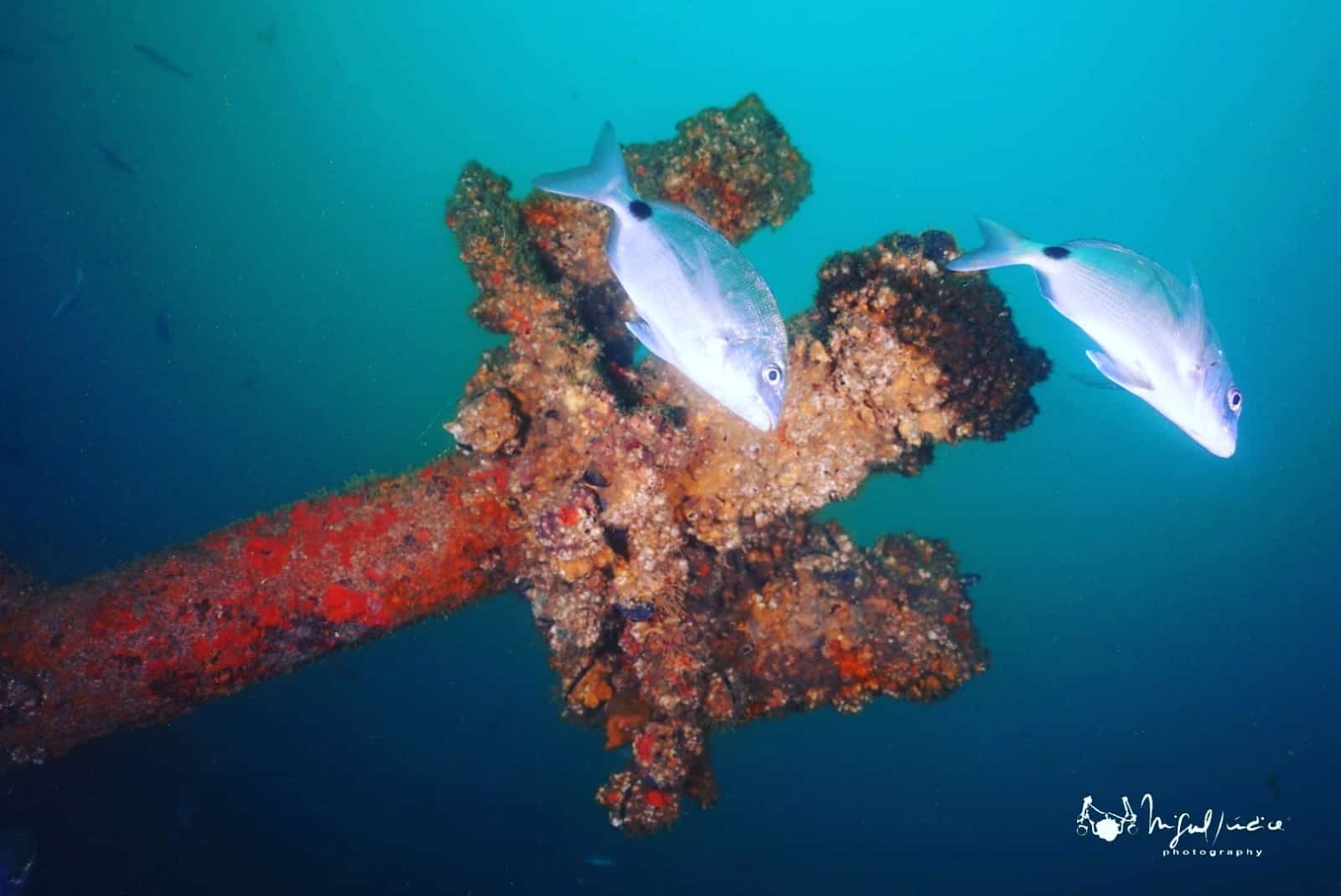
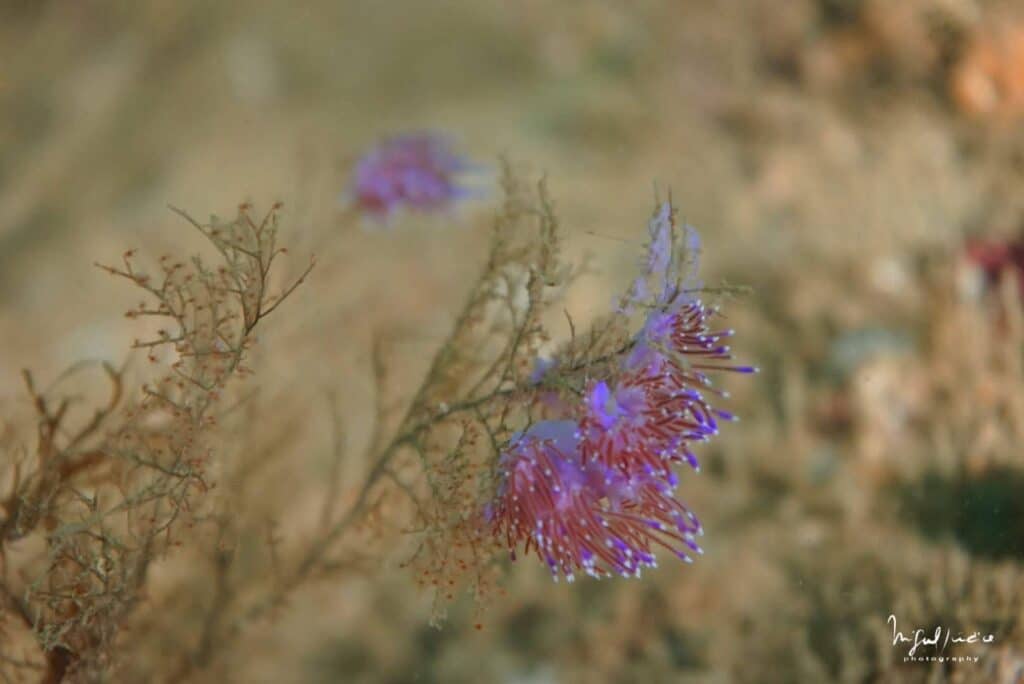
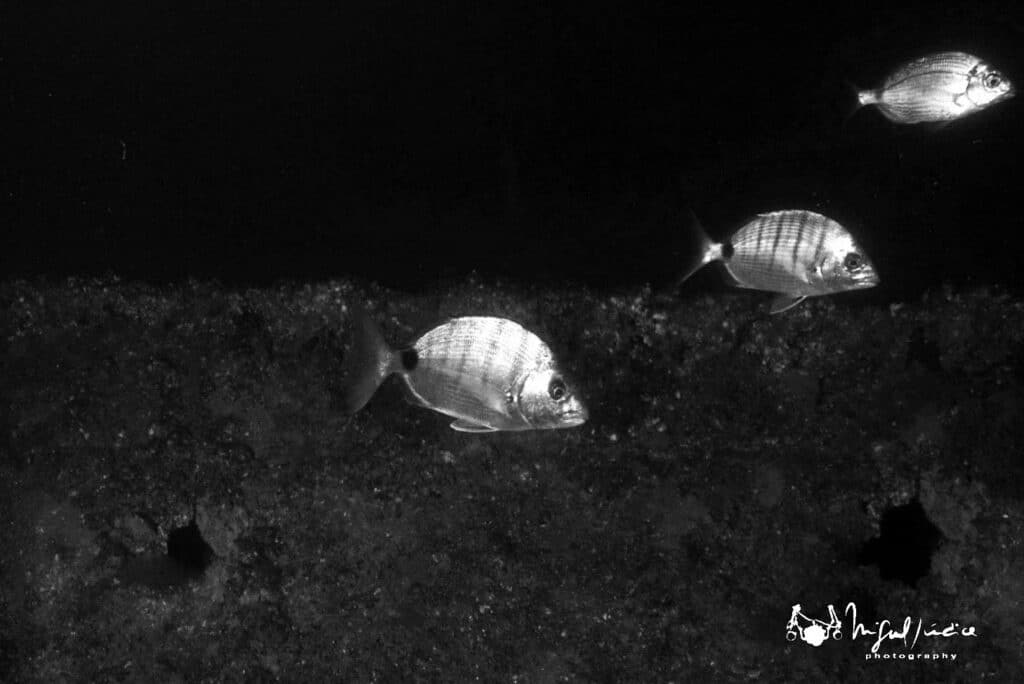
During the pandemic, diving was briefly categorised as a high-risk activity, causing the local marine life to flourish. “The break allowed marine flora and fauna to thrive,” Monteiro noted. Today, schools of fish – including seabream, gilthead, eels, octopuses, and some even say tuna – have been spotted in or around the ships. “It’s an incredible sight,” he said.
The park’s four ships include the corvette Oliveira e Carmo, the oceanic patrol vessel Zambeze, the research ship Almeida Carvalho, and the frigate Hermenegildo Capelo. They were sunk beginning in late 2012 about 5.5 kilometres off the coast of Alvor, due to an already overcrowded coastline.
Though the original placement was met with scepticism, Monteiro now acknowledges it was the right call. “The distance between the park and the ports of Portimão and Lagos is nearly the same,” he said. Meanwhile, while the depth of the park makes it less accessible for more casual divers, he explained that it also ensures more effective long-term preservation of structures.
Environmental protection and plans for growth on land
Meanwhile, Portisub is proposing the establishment of a protection status for Ocean Revival – similar to that granted to the Pedra do Valado Marine Natural Park, a marine reserve between Albufeira and Lagoa – and the creation of clear codes of conduct for divers and tour operators. Preventing illegal fishing is another set goal. “We need to make it clear that this park is an area where biodiversity is created,” he stressed.
There are also plans to involve the local community through volunteer-led cleanups and to boost the park’s marketing strategy through a new website, as well as encourage scientific research through partnerships with universities.
Portisub is also keen to see the park grow onshore. An exhibition focused on Ocean Revival can already be visited at Portimão Museum, though Monteiro has also suggested anchoring a decommissioned military ship or submarine in Portimão for public visitation.
For Monteiro, Ocean Revival is not just about providing a vibrant underwater landscape for divers to explore – it also provides a new purpose for vessels which served the country for decades.
“This is heritage that does not just belong to Portimão or divers. It is Portuguese heritage which must be protected and promoted,” said Monteiro. “It is also a glorious end for these ships. Instead of ending as scrap, they continue to serve the country with dignity.”