A report released today warns of the massive energy consequences of an increasingly warming Europe.
Countries like Portugal, Spain, Greece and Italy (the same that are perennially hit by increasingly ferocious wildfires) could consume as much as 71% of the total energy in the European Union used to cool buildings .
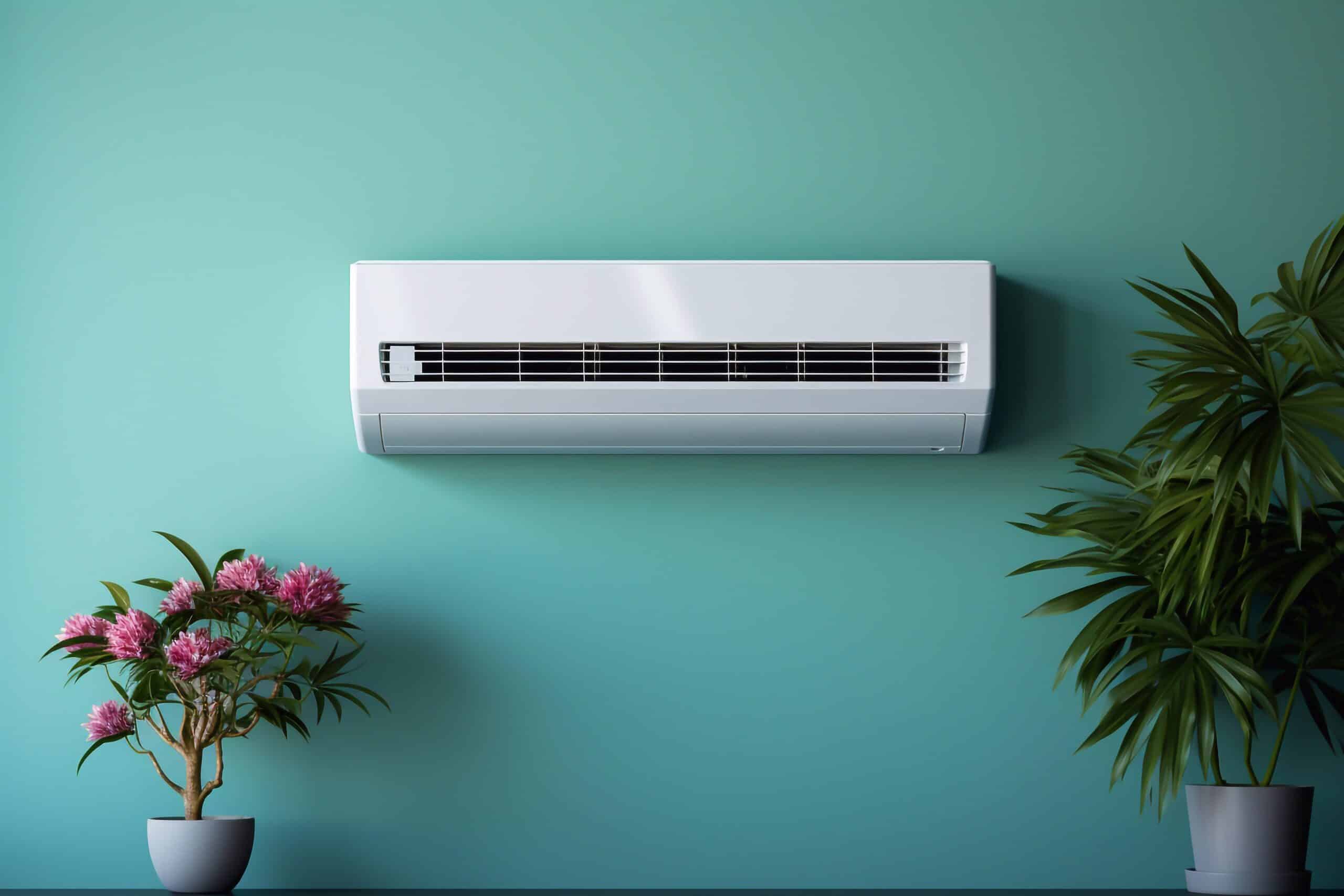
The European Environment Agency report explains that problems for energy security vary across Europe – but in the southern countries, because of “increasing” risks of heatwaves, droughts, and water shortages, changes will come in energy consumption behaviour – particularly when it comes to the cooling systems of buildings.
“In the future, Greece, Italy, Portugal, and Spain could consume 71% of the total annual energy used to cool residential buildings in the EU,” warns the document.
Regarding decarbonisation – the European Union’s ecological goal for the coming decades, which is the subject of increasingly intense debate among the countries – Portugal is presented as an “example at the forefront” of this objective (again, due to government policies, rather than popular demand. There are already countless communities fighting plans from an environmental point of view for wind parks/ solar parks and critical minerals mining concessions).
In 2023, renewable energies provided 73% of the energy consumed in Portugal, cites the report, “positioning it as one of the leading countries in the energy transition”.
“Portugal has invested heavily in hydroelectric and wind energy since the early 2000s and in recent years has rapidly increased solar energy capacity through photovoltaic panel projects and the construction of rooftop solar installations.”
In 2021, the completion of the closure of coal-fired power stations represented “a turning point in the reduction of emissions” of greenhouse gases, the report adds (glossing over the fact that the country went on to import a great deal of energy produced by coal…).
However, “the picture in the European Union is not good”, experts concede.
The EU is falling behind in meeting its targets, and Nature continues to suffer from degradation, overexploitation, and biodiversity loss (arguably because of decarbonisation goals, but this is not admitted).
The consequences of climate change are also accelerating and are “an imperative challenge.”
The European continent is no longer just the region of the planet that is warming the most; other consequences are also occurring simultaneously, the report continues.
Droughts, floods, and heatwaves are becoming more common and are lasting longer.
For the executive director of the European Environment Agency, Leena Ylä-Mononen, this means that the EU “cannot afford to scale back its climate, environmental, and sustainability ambitions”.
Quoted in a statement accompanying the report, Leena Ylä-Mononen stated that, in view of the scientific evidence corroborated by the agency, “action is necessary”.
“The EU has the policies, the tools, and the knowledge, as well as decades of experience in working towards sustainability goals. What we do today will define tomorrow,” she stressed.
This worrying update comes at a time when several sectors, such as the automobile industry, and a wide range of member states, have told the European Commission that timetables need to be reworked and deadlines extended to fulfill climate ambitions and ensure the EU’s competitiveness at the same time.
Industry has generally warned Brussels that the pace of decarbonisation is incompatible with the transformation of industry. It cannot stay competitive with the way things are geared.
Source material: LUSA