22 tonnes of cocaine were seized in Portugal in 2023
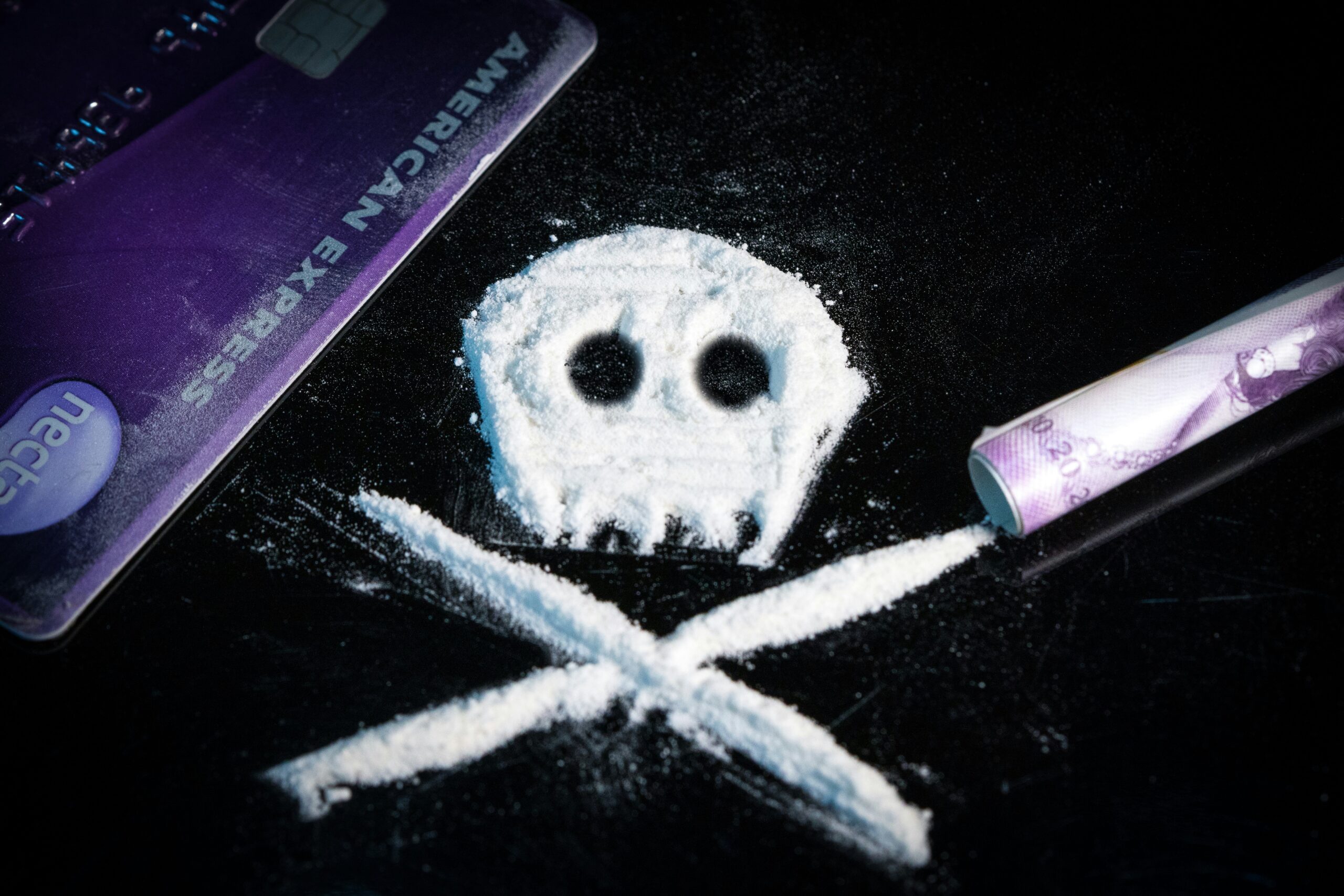
Portugal has been identified as one of the new key entry points for cocaine trafficking into Europe, with 22 tonnes of the drug seized in 2023, marking a significant increase from the 17 tonnes confiscated the previous year.
The data comes from the 2025 report of the European Union Agency for Drugs (EUDA), released this Thursday, which contains figures showing that cocaine availability in Europe remains high.
According to the report, EU countries seized a record-breaking 419 tonnes of cocaine in 2023, up from 323 tonnes in 2022. This marks the seventh consecutive year of record seizures across the continent.
While Belgium (123 tonnes), Spain (118), and the Netherlands (59) still dominate as the main points of entry – accounting for nearly three-quarters of all cocaine seized – there are signs that the landscape is shifting. The EUDA notes that Germany, France, and Portugal are increasingly being targeted by traffickers. In 2023, Germany intercepted 43 tonnes, France 23, and Portugal 22, suggesting that ports in these countries are playing a growing role in the drug trade.
The report explains how traffickers continue to exploit commercial shipping routes, using legitimate supply chains to move illicit goods. A striking example came from Spain, which in 2024 made its largest-ever cocaine bust – a 13-tonne shipment concealed in bananas imported from Ecuador.
Cocaine remains Europe’s most widely used stimulant drug, with approximately 4.6 million adults aged 15–64 estimated to have used it in the past year. It is also the second most commonly reported drug among new patients entering treatment for substance use, with 35,000 first-time treatment admissions in 2023, a noticeable rise from 31,500 in 2022.
In Portugal, cocaine use continues to be comparatively low but shows signs of growth. Data from 2022 estimate that 0.2% of adults used cocaine in the previous year – a number that increases to 0.5% among young adults aged 15–34. Meanwhile, roughly 1,000 people began treatment for cocaine-related problems in 2023, representing a 9% year-on-year increase.
The EUDA warns that growing competition in the illegal drug trade are also fuelling cocaine-related violence and organised crime, including gang conflicts and homicides. One worrying sign of increasing use comes from municipal wastewater data, which show a rise in cocaine traces in more than half of the European cities monitored.
Experts caution that the impact of today’s high availability may only be fully felt in the years ahead. The average time between first use and seeking treatment is around 13 years, suggesting that current trends could result in a delayed but substantial rise in demand for addiction services. The agency urges EU member states to review and reinforce their treatment and prevention capacities in anticipation of this potential surge.