Portuguese scientists found the spores in Anadia, Aveiro
A team of Portuguese scientists has uncovered fossilised remains of ancient fungi dating back 300 million years, in what is being hailed as a groundbreaking discovery in the study of plant–fungus symbiosis.
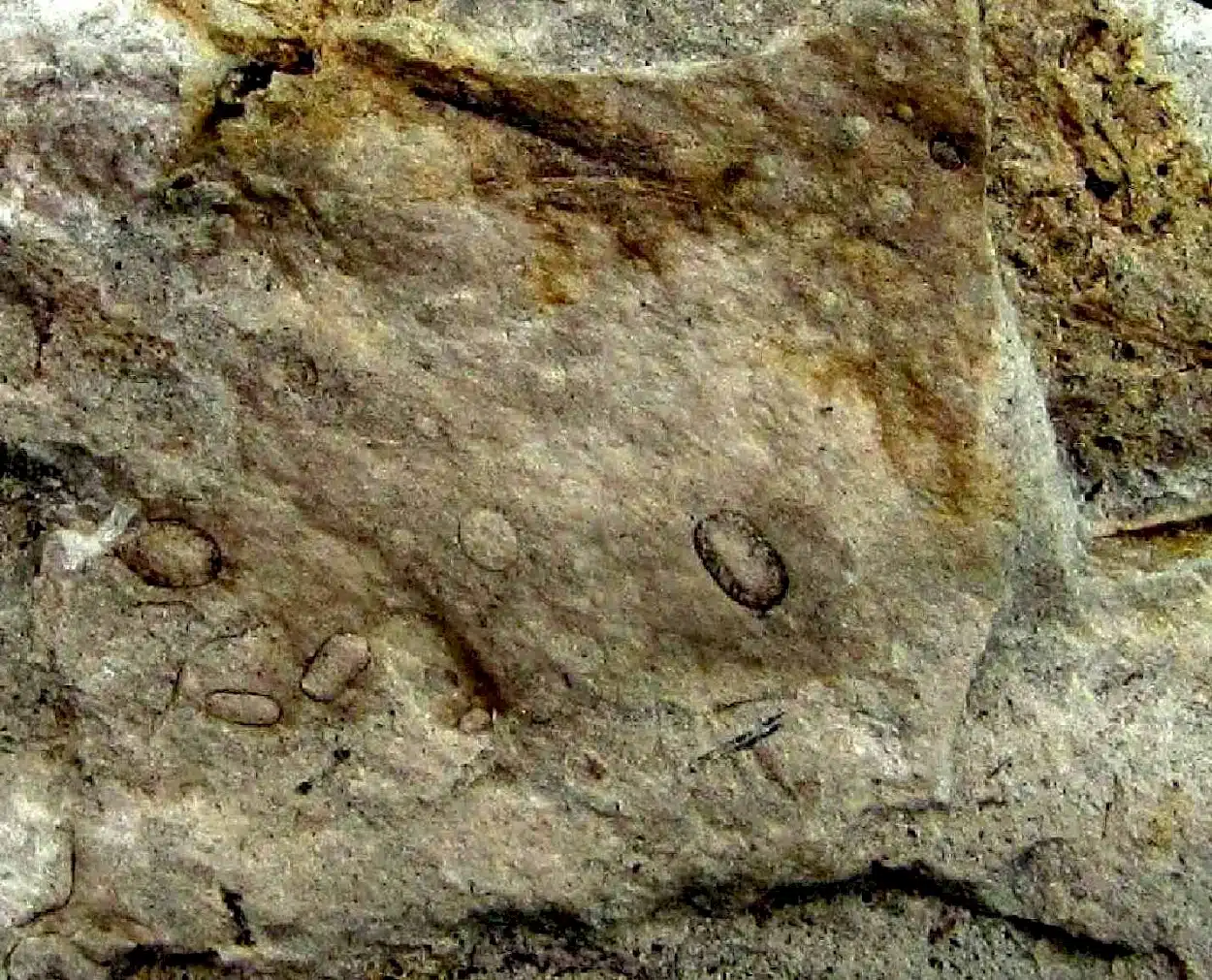
Found in the Bussaco Basin in Anadia, in the district of Aveiro, the spores belong to a previously unknown genus and species of giant mycorrhizal fungi.
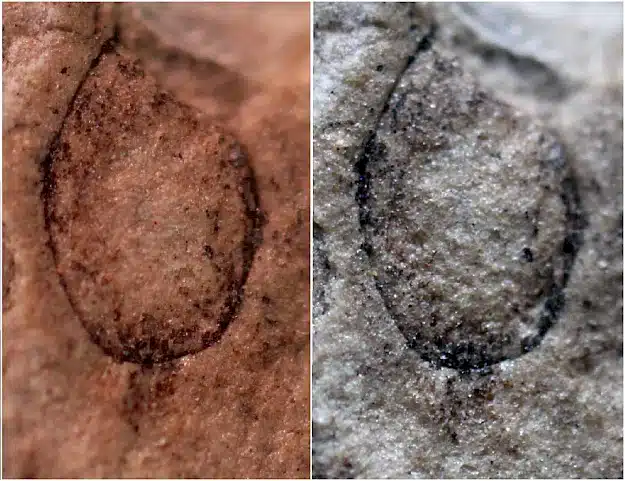
Led by Pedro Correia, a palaeontologist at the University of Coimbra’s Centre for Geosciences (CGEO), the team identified the fossils as a new species named Megaglomerospora lealiae. Though just 1.6 millimetres in diameter, these spores are considered unusually large for their kind and are now believed to be the largest ever recorded from the Glomeromycota division of the fungal kingdom.
“These fossils were giants among the fungal spores of the Glomeromycetes class, which existed about 300 million years ago, at the end of the Carboniferous period, and have never been documented in fossilised glomeromycete fungi and modern endomycorrhizal fungi,” he said.
The researched described the discovery as “a significant advance in our knowledge of the diversity and evolutionary history of mutualistic symbiotic interactions between vascular plants and mycorrhizal fungi”.
According to the researchers, these fungi likely played a key ecological role by forming mutualistic relationships with vascular plants – aiding nutrient absorption, especially phosphorus – and supporting the development of extensive underground networks.
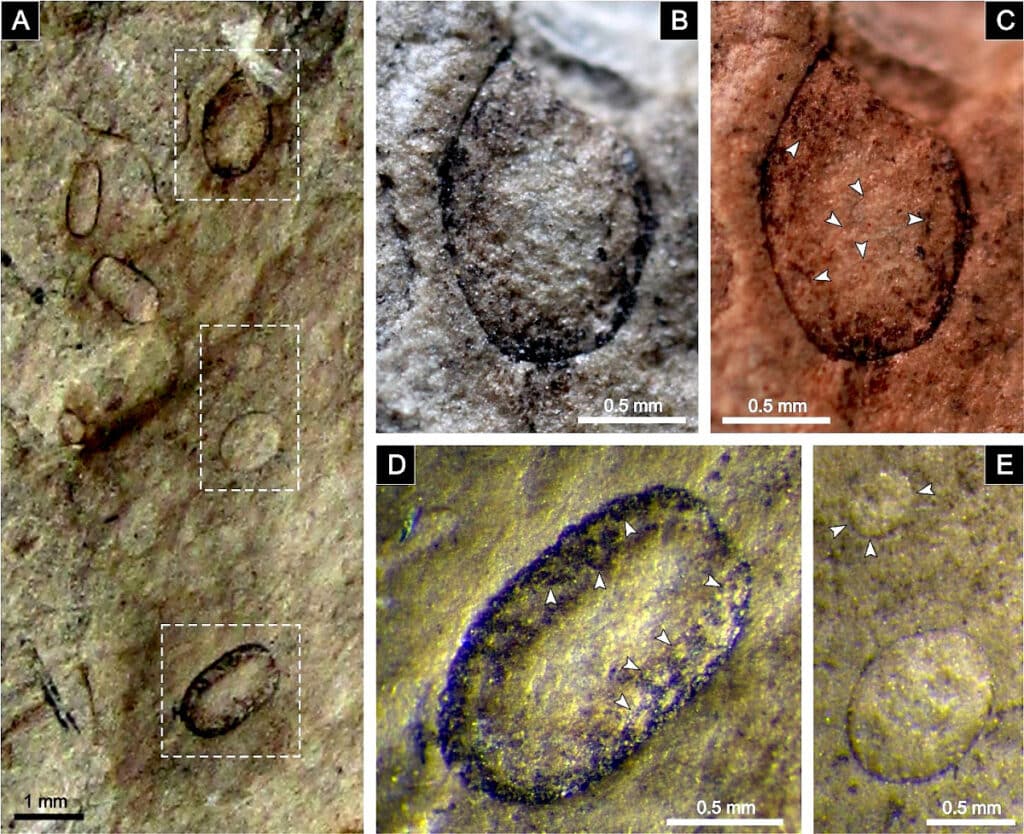
They added that the significance of this discovery lies in the confirmation that symbiotic associations already played a crucial role in shaping terrestrial ecosystems around 300 million years ago.
“The study of this new fossil, now described, provides important information about the interactions between fungi and plants, contributing to a deeper understanding of the ecological processes that shaped the flora of the Palaeozoic,” they concluded.
The species was named in honour of Fernanda Leal, a PhD student at the University of Porto, who contributed to the classification of the fossil. Her work was instrumental in formally describing Megaglomerospora lealiae, now officially recognised by the scientific community, the researchers say.
The findings were published in the journal Geobios and resulted from a collaborative effort with Artur Sá of the University of Trás-os-Montes and Alto Douro (UTAD) and Zélia Pereira of the National Laboratory for Energy and Geology (LNEG).