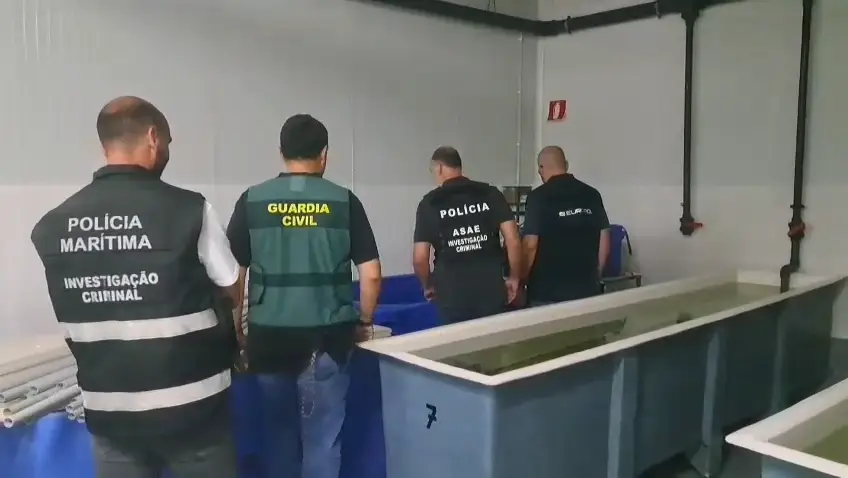
While millions of tourists stream to Iberian holiday hotspots to enjoy their culinary and other offerings, Portuguese and Spanish law enforcement authorities have taken decisive action against criminals trying to introduce contaminated clams to the food service industry.
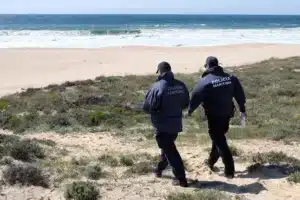
The Spanish Guardia Civil’s Nature Protection Service, the Portuguese Economic and Food Safety Authority as well as Portuguese Maritime Police, supported by Europol’s experts on environmental crime, have arrested 11 individuals suspected of having made at least EUR 1.6 million in profit this year alone.
In total, over seven tonnes of Japanese clams with a value of at least EUR 150 000 were seized during two action days.
Contaminated clams as major health risk
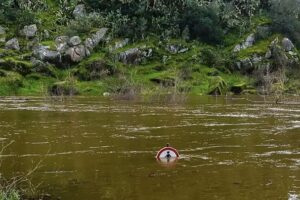
In the border region between Portugal and Spain, the so-called ‘Manila or Japanese clam’ (Ruditapes philippinarum) is harvested illegally in the Tejo river.
The criminal modus operandi is simple, explains Europol in a press release: “illicitly fished clams are gathered and kept alive in water containers to be later introduced to the legal market. To that end, criminals use fake documentation, therefore bypassing any administrative and health inspection measures.
“Typically, the clams are distributed in Portugal, Spain and even France and Italy, posing a serious risk for consumers. Consumption of contaminated clams may cause food poisoning, gastroenteritis and/ or hepatitis.
Several hits against illegal clam fishers
Investigators estimate that the total profits of this illegal business may average up to €2.5 million per week. Proceeds are laundered in various ways, such as with the purchasing and re-selling of luxury vehicles. The suspects’ activities go well beyond environmental crime, with trafficking of human beings – often irregular migrants – for labour exploitation in the fisheries a regular occurrence. Authorities believe that those forced to work under such conditions are paid as little as one or one-and-a-half euros per harvested kilo of clams by the criminals.
Source: Europol/ LUSA