Since joining the Portuguese family-owned Sharing Education Group and rebranding as Bright International School in September 2024, the school has entered a period of steady growth. The group was already operating two well-established schools — International Sharing School – Madeira and International Sharing School – Taguspark — and the experience gained from these campuses has helped shape the development of Bright.
Today, the school welcomes more than 150 students and is expected to surpass 200 students in September 2026. Much of this growth has come from families who are drawn not only by the international curriculum, but also by the school’s distinctive learning model and the evolving campus environment.
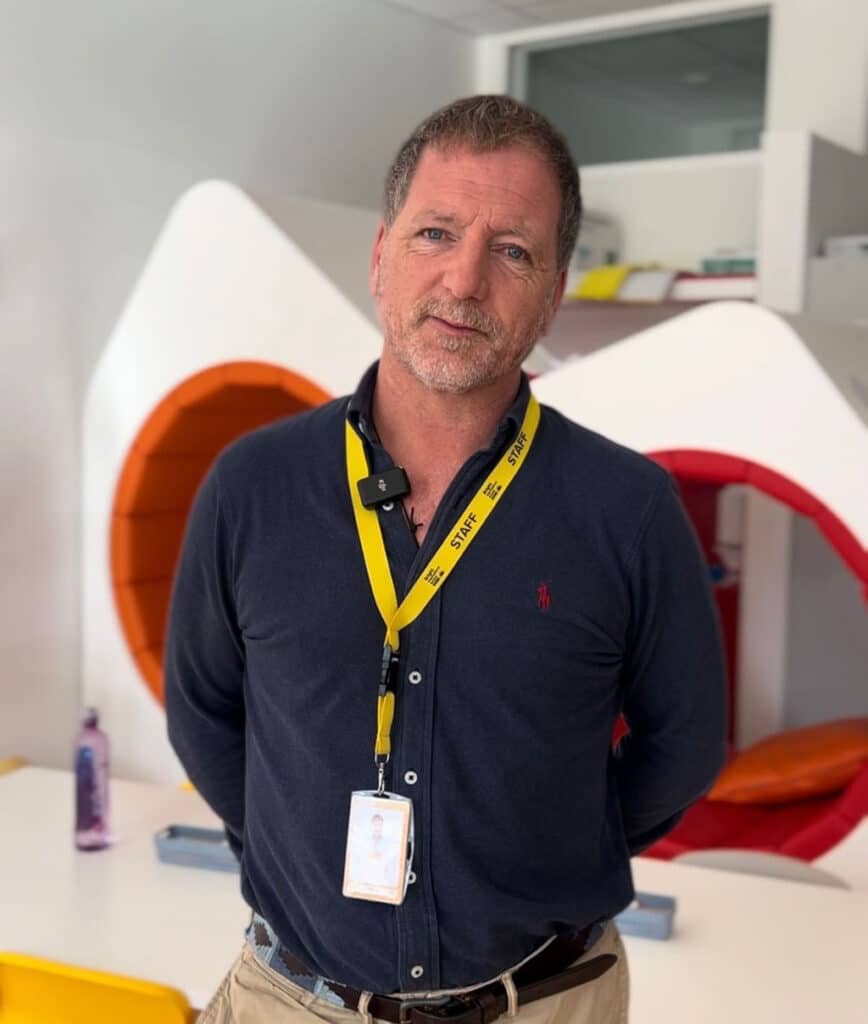
A key element in this new phase has been the arrival of Principal Tom Caston. With extensive experience leading schools across the United Kingdom with the Cambridge International Programme — including most recently MPW and Framlingham College — Tom has brought a strong academic focus while helping refine the school’s learning culture.
Under Tom’s leadership, Bright has continued to develop a structured academic pathway built on the Cambridge Programme. Students can follow the programme from the early years through to age 16, culminating in the internationally recognised Cambridge IGCSE examinations. The school has also already secured accreditation to offer A Levels, which are scheduled to begin in September 2027, completing a full academic pathway for students preparing for universities around the world.
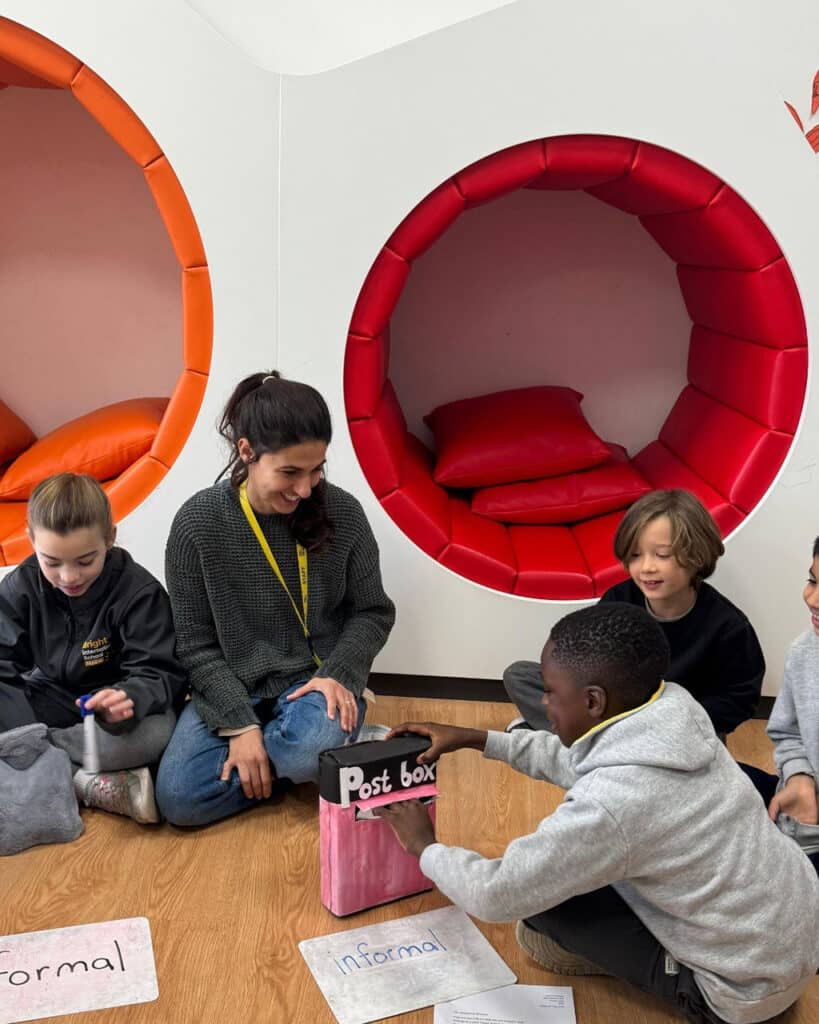
While academic standards are a priority, what distinguishes the school is the way learning is structured on a daily basis. At the heart of the educational approach is what the group calls the Sharing Pedagogical Concept — a model that moves away from traditional classroom structures and instead places the student’s development, curiosity and individuality at the centre of the learning experience.
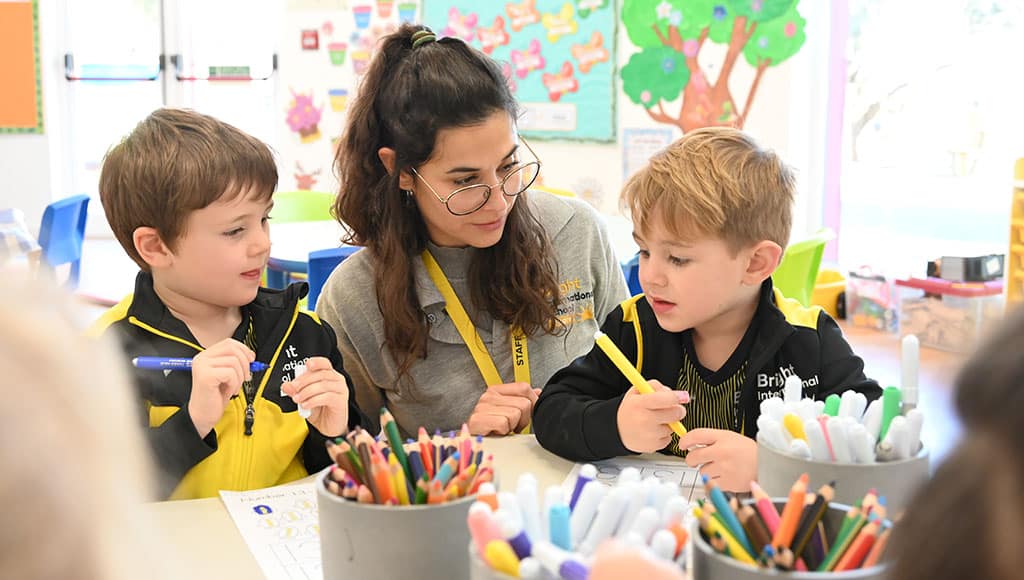
Rather than relying solely on conventional classrooms and rigid teaching formats, the learning environment is designed to encourage flexibility, collaboration and independent thinking. Students move between different types of spaces depending on the activity, whether they are working individually, collaborating with peers or engaging in guided instruction with teachers. The physical learning spaces themselves play an important role in this model. Designed by the internationally recognised Danish Rosan Bosch Studio, the interiors are intentionally structured to support different ways of learning. Instead of rows of desks facing a single direction, the spaces include areas for focused work, collaborative discussion and more informal exploration.
For younger students, the environment includes comfortable and nurturing areas that support concentration and imagination. As students grow older, the spaces gradually evolve into more open, collaborative environments that resemble modern co-working settings. The idea is to mirror the way learning and problem-solving increasingly occur in real-world environments. This design philosophy also encourages students to develop autonomy from an early age. Teachers act not only as instructors but as guides, helping students navigate projects, research and discussions while still ensuring strong academic foundations.
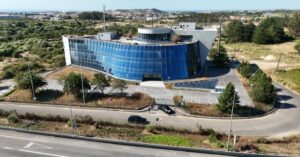
Alongside its pedagogical evolution, the campus itself has undergone significant transformation since joining the Sharing Education Group. Over the past two years, the school has completed a comprehensive refurbishment of its existing facilities while also expanding into new learning areas dedicated to the senior school and the recently introduced IGCSE programme. These upgrades reflect the group’s longer-term commitment to developing the campus as the student body grows.
Sport and wellbeing have also been central to the improvements. The new campus includes a newly built football pitch, tennis court, basketball court and an indoor sports hall, creating additional opportunities for students to remain active alongside their academic studies.
The teaching team reflects the school’s international outlook. Most teachers are recruited internationally and bring experience from a wide range of educational systems and backgrounds. The school has also seen a strong level of teacher continuity, with no teachers leaving for the past two years, contributing to stability within the classrooms and allowing long-term relationships between staff, students and families to develop.
Despite the expansion of facilities, demand for places continues to increase. Several year groups are already operating with waiting lists, reflecting the growing interest among families in the Algarve who are looking for international education options that combine academic rigour with a more modern learning environment.
For many visitors, the first impression of Bright International School is that it does not resemble a traditional school. The architecture, the open learning spaces and the dynamic classroom structures create a different atmosphere — one that reflects how education is gradually evolving.
In a region where international communities continue to grow, the school represents an example of how educational models are adapting to meet the expectations of modern families while still maintaining strong academic standards.
As Bright International School continues its development within the Sharing Education Group, its approach suggests that the future of education may rely not only on what students learn, but also on how and where that learning takes place.
Sponsored Content