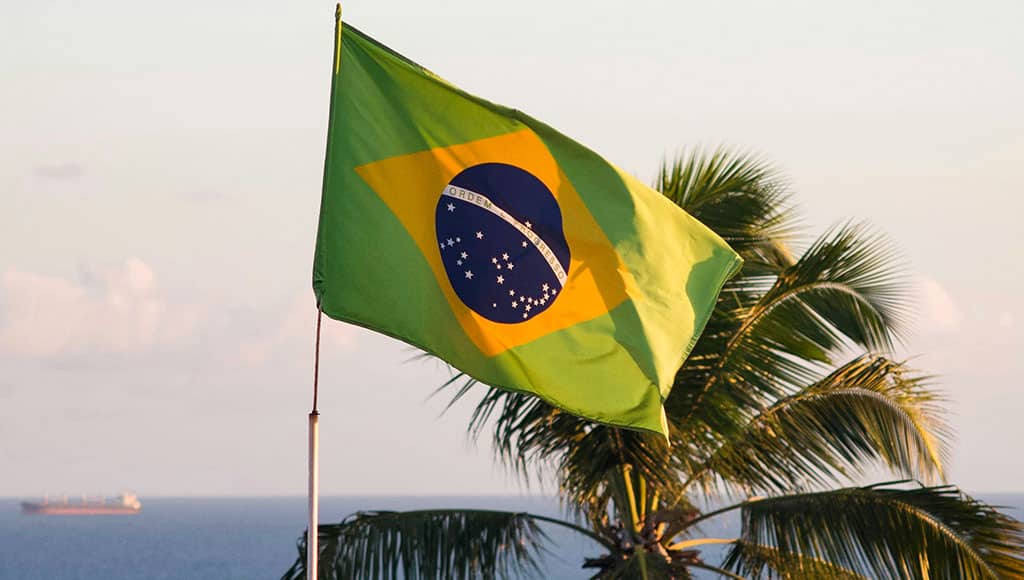
Portugal and Brazil share centuries of history. Portuguese ships first arrived on the Brazilian coast in 1500, and over the next three centuries, Portugal shaped Brazil’s language, religion, cities, and government. Even after Brazil became independent in 1822, trade, migration, and culture kept the two countries connected. Yet Brazil developed its own rhythms, habits, and traditions – many of which would feel right at home in Portugal’s culture.
One of the most obvious differences is climate. Much of Brazil’s coast lies in tropical and subtropical regions, with warm water and consistent weather. Swimming and other outdoor activities are possible almost year-round.
Portugal, farther north, experiences colder Atlantic waters, and the seasons strongly influence when people head to the beach. We cannot change our country’s climate. Yet that is only part of the story. The social habits and daily routines Brazilians bring to their beaches create a liveliness few countries can match.
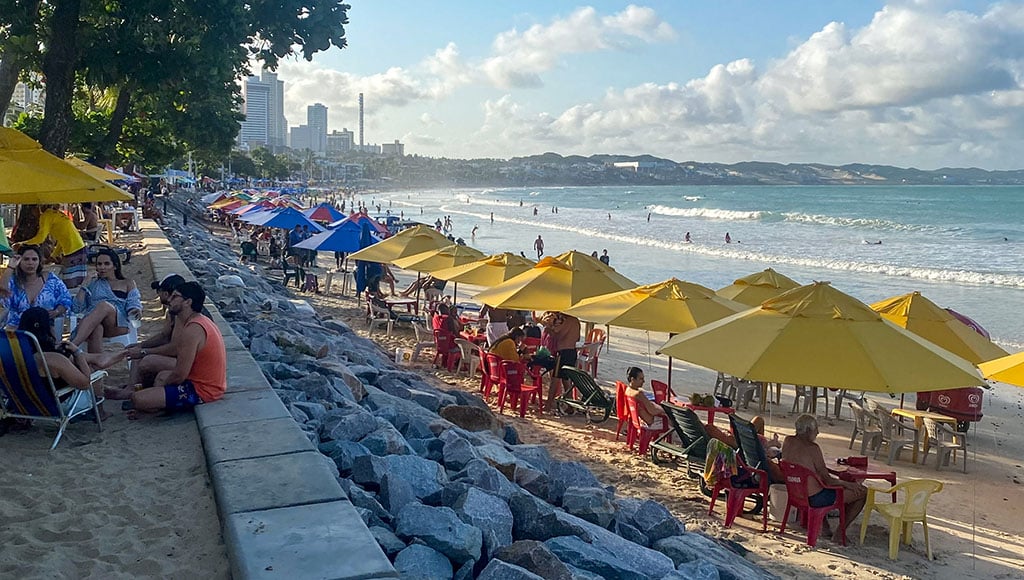
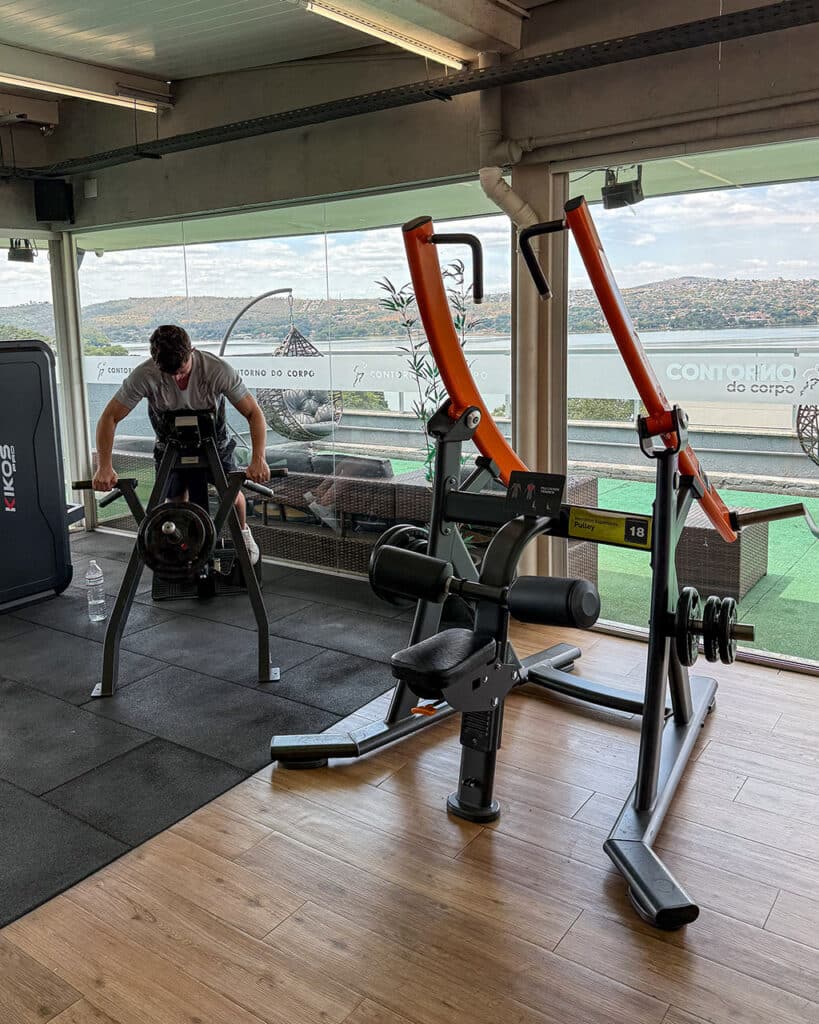
Brazilian beaches are lively, social spaces. Many are lined with kiosks and small bars renting umbrellas, plastic chairs, and tables at low cost for the entire day. In some cases, buying food or drinks covers the space itself. Vendors also walk up and down the beach, selling queijo coalho (grilled cheese on skewers), grilled meats and shrimp, fresh coconuts, ice cream, drinks, and even souvenirs.
Most vendors now accept cards, but even if they don’t, nearby kiosks handle payments for them. That is what makes a day out to the beach so enjoyable: it is one giant community supporting each other. Even if you sit at a kiosk that serves its own menu, you can still order from other vendors.
Portugal’s beaches, by contrast, are quieter and more private. People stroll, sunbathe, or read quietly while enjoying the scenery. Umbrellas and chairs can be rented, mostly in tourist-heavy areas like the Algarve, but are more expensive and are limited to having a place to lay down in the shade. Vendors exist, but they usually only sell ice cream or bolas de Berlim (typical Portuguese sugar-covered doughnuts filled with cream).
However, Brazil’s social spirit extends far beyond the sand. Free outdoor gyms are common along Brazilian beachfronts and in public parks, equipped not only with pull-up bars and dip stations but also weights and machines. In Portugal, outdoor fitness circuits exist but are far smaller. They are designed for mobility rather than physical exercise, mostly used by children or older residents.
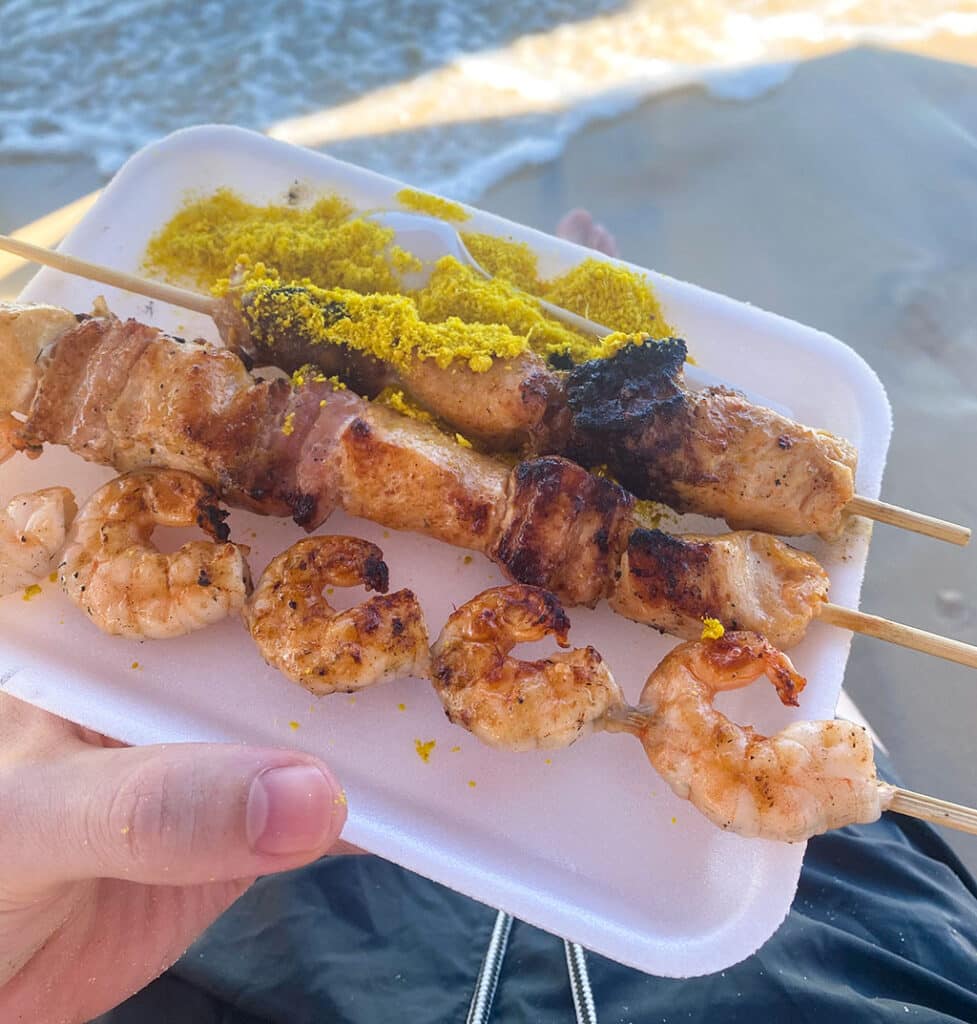
Brazil’s outdoor gyms thrive because physical activity is part of daily life. Warm weather helps, but so does a cultural emphasis on appearance and body confidence, especially along the coast, where the beach is a highly visible social space. People grow up seeing others train in public, normalising exercise from an early age. Free public equipment allows students, workers, and retirees to train without cost, and because the spaces are open and social, they are used consistently. It is not unusual to see groups gathering early in the morning for shared workouts, or families exercising together as part of daily routines.
Food is another area where Brazilian culture shines. Lunch is often the most important meal of the day, a time to gather, eat well, and enjoy each other’s company. Many restaurants offer affordable buffets with rice, beans, salads, and grilled meats, where anyone can serve themselves. The meals are homely and cheap, allowing people to eat out together often and removing any need for fast food. It is reminiscent of a time in Portugal when you could eat out and get a soup, main course, dessert, drink, and coffee for a fraction of what similar menus cost today. Sharing a long, relaxed meal reinforces social bonds, and the act of eating together is as important as the food itself.
Hospitality in Brazil follows the same friendly pattern. People often call you by your first name from the start, which makes you feel welcome immediately. It breaks down distance and formality, creating a sense of belonging. In cafes, restaurants, or shops, it makes conversations easier and more relaxed. It is a small gesture, but it strengthens connections. Even brief interactions in public spaces carry warmth, making daily life feel more personal and connected.
Portugal offers beauty and serenity, but Brazil’s warmth, openness, and sense of community leave a lasting impression. We may not be able to import Brazil’s climate, but we can borrow its connection, openness, and accessible fitness. Portuguese beaches, cafes, and public spaces would then feel a little more alive.
Read more articles from Jay Costa Owen: Starting the year right: Lessons from January or What it was like running the Lisbon Marathon or Waterfalls of Serra do Cipó