The Christmas period in Portugal continues to generate excessive waste, much of it poorly managed, with little progress made over the past two decades, according to environmental expert Susana Fonseca.
“There is still an excess of packaging. Brands have made very little progress. There has been no real shift towards sustainability. Disposable models and packaging as a selling point remain,” said Fonseca in comments to the Lusa news agency.
Fonseca, vice-president of the environmental association Zero, made similar criticisms almost 20 years ago while working with another environmental group, Quercus. At the time, she highlighted the large proportion of the population that did not recycle household waste during the Christmas period.
Asked what has changed since then, she pointed to improvements in recycling infrastructure, with more collection points closer to residents. However, she said this progress has been offset by rising consumption.
“People now have access to many more products, online shopping and fast fashion. People buy a lot of things,” she said.
She added that many of these purchases quickly become waste. “A lot of money is spent on items that produce excessive waste and are often useless, ending up forgotten in drawers before eventually being thrown away.”
Fonseca said there has also been little change in behaviour when it comes to placing rubbish on the streets on Christmas Day or the following day, despite reduced waste collection during the holiday period.
To avoid repeating the same debate in another 20 years, she argues that systemic change is needed. “If people produce less waste by making more careful choices, there are no direct benefits. Waste charges are based on water consumption, included in water bills,” she said.
“Until we create a system where people pay for the waste they fail to separate, the situation will not be resolved.”
Fonseca stressed the need to encourage recycling by penalising those who do not comply, while also making waste management easier for households. “Waste management is not the most important concern in people’s daily lives,” she said.
Despite some individual efforts, she admitted to feeling discouraged. “We have been treading water.”
Portugal continues to record very low waste separation rates, faces the added challenge of separating biowaste and is failing to meet European waste targets, she noted, calling for a different approach, including stronger action by local authorities.
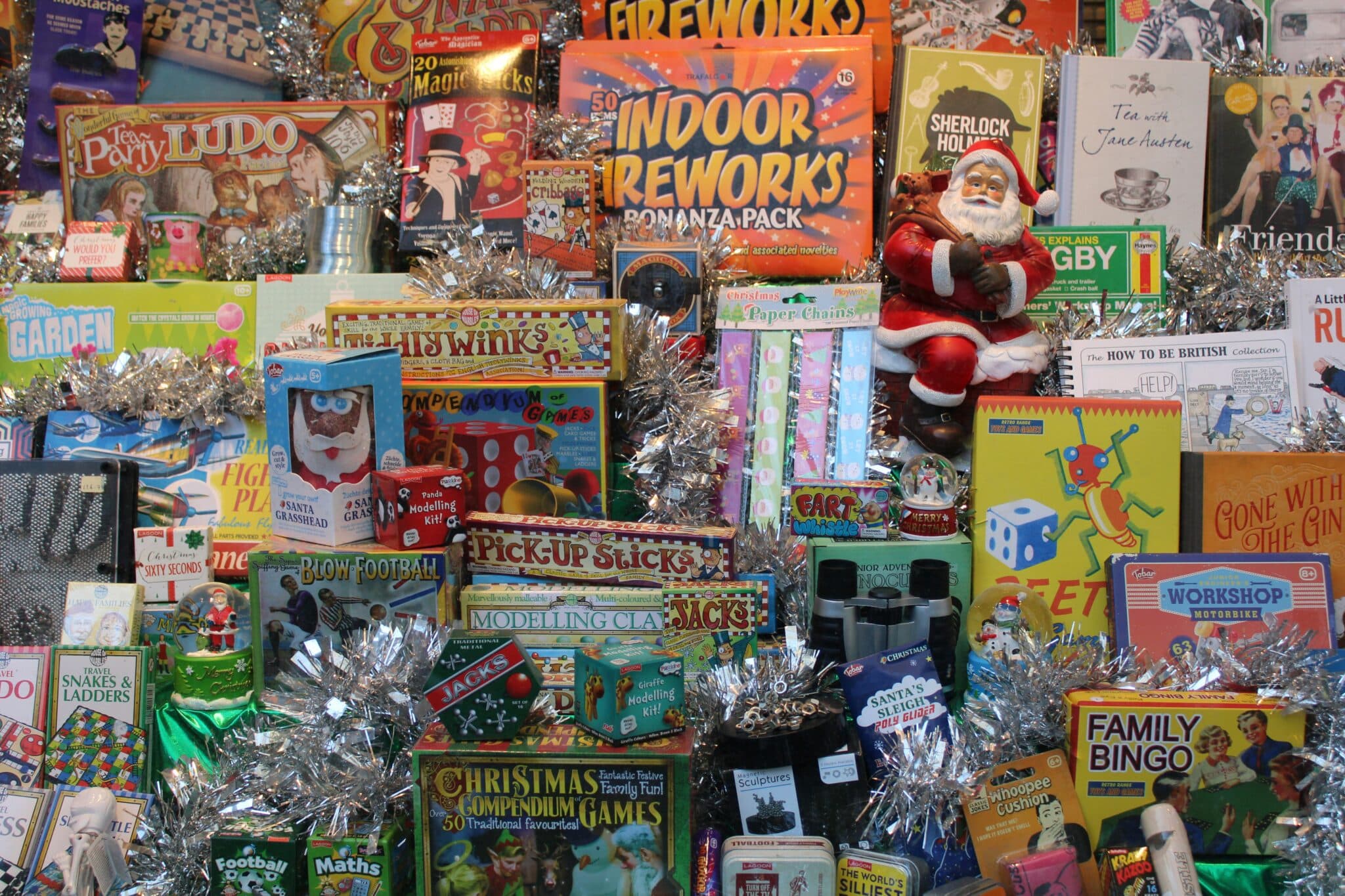
With no evidence that waste separation improves during Christmas and with toy packaging still largely made of paper and plastic, Fonseca appealed for greater public awareness. “At the very least, people should not put their rubbish out immediately after Christmas Eve celebrations.”
She reiterated advice she has been giving for nearly two decades, including reducing wrapping paper, reusing ribbons, which are not recyclable, and managing food waste more carefully.
“I like to believe that more people are doing this now, that it makes sense to them. But they are not enough. They are not the majority,” she said.
Official figures show that 5.52 million tonnes of urban waste were collected in Portugal in 2024, an increase of 182,800 tonnes compared with 2023. Each resident produced an average of 516.2 kilograms of waste, 11.6 kilograms more than the previous year.