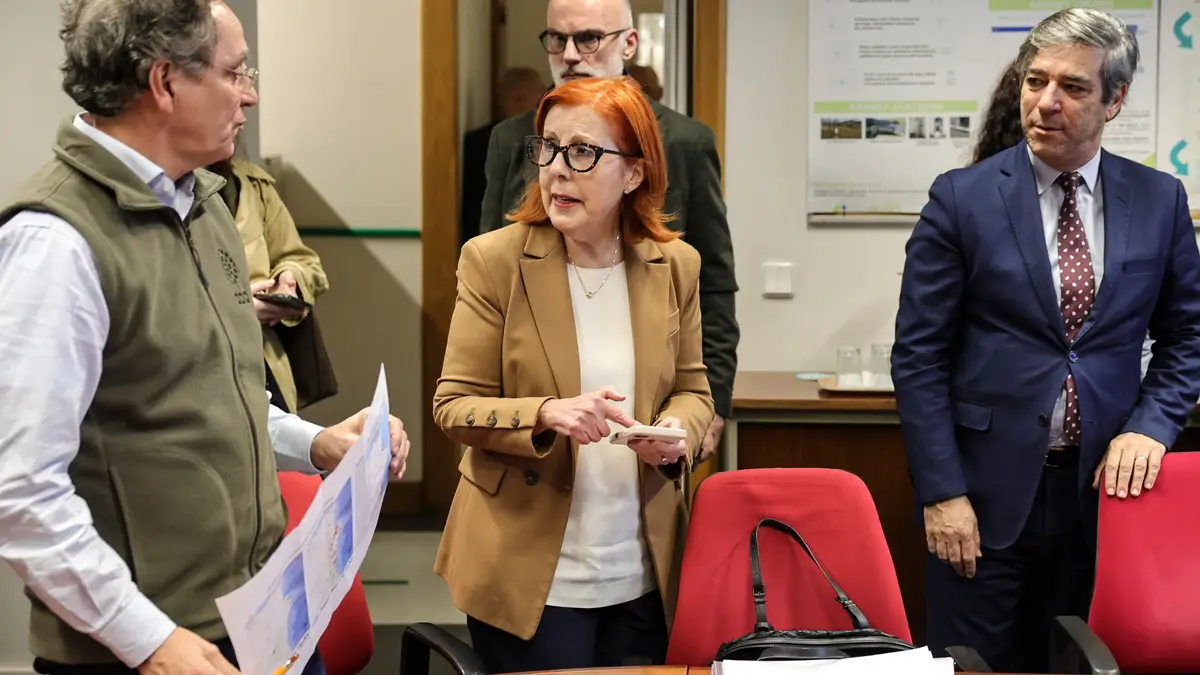
Minister for the Environment, Maria da Graça Carvalho, has warned that storm Marta will be, like Kristin and Leonardo, “very difficult” and calls for special attention to and by populations near the Sado, Tejo and Mondego rivers.
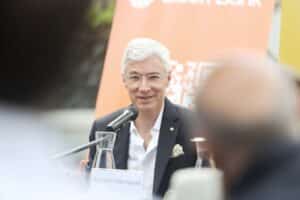
Speaking to journalists from the headquarters of Portuguese Environment Agency (APA), she said that storm Marta, which could reach mainland Portugal later today or early Saturday morning, will enter from the south, in Sines, heading towards Lisbon – which means it will cover the Sado and Tejo basins and continue on to the Mondego.
There will be hours of “great tension and hard work”, the minister predicts, as land everywhere “is full of water and can no longer take any more”.
“We have to prepare for the consequences of Marta,” she says, assuring that the government will do everything to ensure that the impact is “as small as possible”.
The Minister for the Environment admits that the situation will be “very difficult” and confesses to being “very concerned” about the municipality of Alcácer do Sal, which is already “extremely battered”.
Civil Protection warns: “Depression Marta will bring heavy rain from Friday to Saturday, with winds of 100 km/hour”.
On another point, the minister adds that, from the beginning of January until the start of the storms and as a form of ‘preparation’, APA discharged water from dams. As a comparison, she gives the example that they discharged “more than 1 year’s worth of water normally consumed by the Portuguese”.
The discharges were carried out “in a highly coordinated manner’”, in coordination with the businesses holding electricity production concessions.
Yet just yesterday – a “particularly difficult” day – the flow of the Tejo River “almost doubled” – and now a new depression is approaching. Between storms Leonardo and Marta, “there has been no time or conditions to discharge water” from dams, the minister warned, and this complicates the situation on the ground.
President Marcelo too is aware of the risks to people, and has sent out an appeal for people to “take no risks”.
Source material: SIC/ LUSA