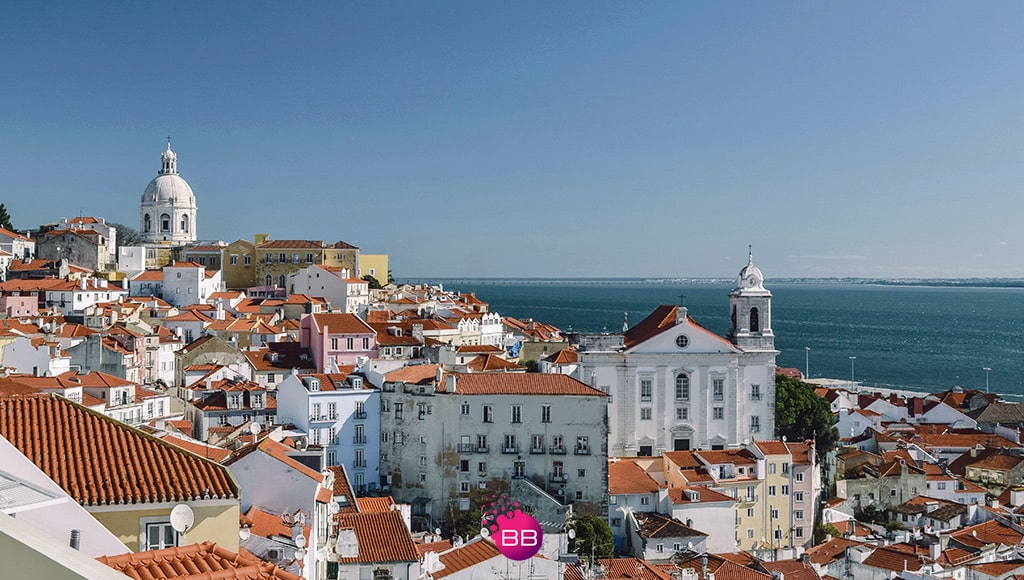
The idea of packing a laptop and swapping daily commutes for a sunlit café in Lisbon is still very much alluring. However, the perception of Portugal as an immediate ‘tax haven’ for digital nomads is somehow misleading. Recent visa updates by the Portuguese government mean remote workers now have a clearer, formal pathway to live here, yet tax and social-security obligations remain and depend heavily on income source, residency status, and the chosen visa. The Portuguese Ministry of Foreign Affairs lists a specific residence route for remote work, confirming the country’s official digital-nomad framework.
What has changed in the past few years is important to understand. The introduction and refinement of remote-work visas (commonly referred to as the D8 or digital-nomad visa) formalises a route for freelancers and remote employees, but applications now require fuller documentation and proof of stable income. Minimum-income thresholds and evidence requirements are increasingly standard.
Another big shift concerns tax regimes. The much-discussed Non-Habitual Resident (NHR) benefits were substantially revised and replaced by transitional or new regimes, so assumptions about automatic tax exemptions are risky. The most recent government changes also mean potential tax breaks are narrower and conditional, and thus, anyone considering a move should get up-to-date advice on how new rules apply to foreign-source income and pension receipts.
Cost realities also bite. While coastal towns remain comparatively affordable, rents in main cities have risen sharply – Lisbon and Porto now rank amongst the most expensive urban metro areas in Portugal, with average rents notably higher than a few years ago. Those figures matter when budgeting for the first year, since deposits, setup costs and longer-term living expenses can quickly erode any perceived fiscal advantage.
There are also ‘hidden’ items few nomads calculate properly: social-security contributions if you become resident or work through a Portuguese contract; potential double-taxation unless covered by a treaty; and one-off installation costs (deposit, furnishing, vehicle paperwork). These can turn a seemingly straightforward move into a more expensive proposition than expected.
So who benefits most in 2026? The answer is pretty straightforward: stable-earning freelancers, remote employees with reliable contracts, and retirees with secure savings that still find Portugal attractive. Whereas those reliant on irregular income, early-stage entrepreneurs, or anyone unprepared for local bureaucracy should consider delaying or planning carefully.
The decision is up to each one, of course, but here’s some practical advice: treat the move as a professional decision. Seek specialist guidance on visas, tax residency and social security so you can compare net outcomes and not myths. And once you come to a conclusion, for tailored, case-by-case support, you can rely on Global International Relocation’s team to assist with up-to-date guidance and local know-how.
(+351) 219 236 550
(chamada para a rede fixa nacional / call to the national landline)
info@global.pt | global.pt
Sponsored content